Man dies in northeast Australia after shark attack
Explain Like I'm 5
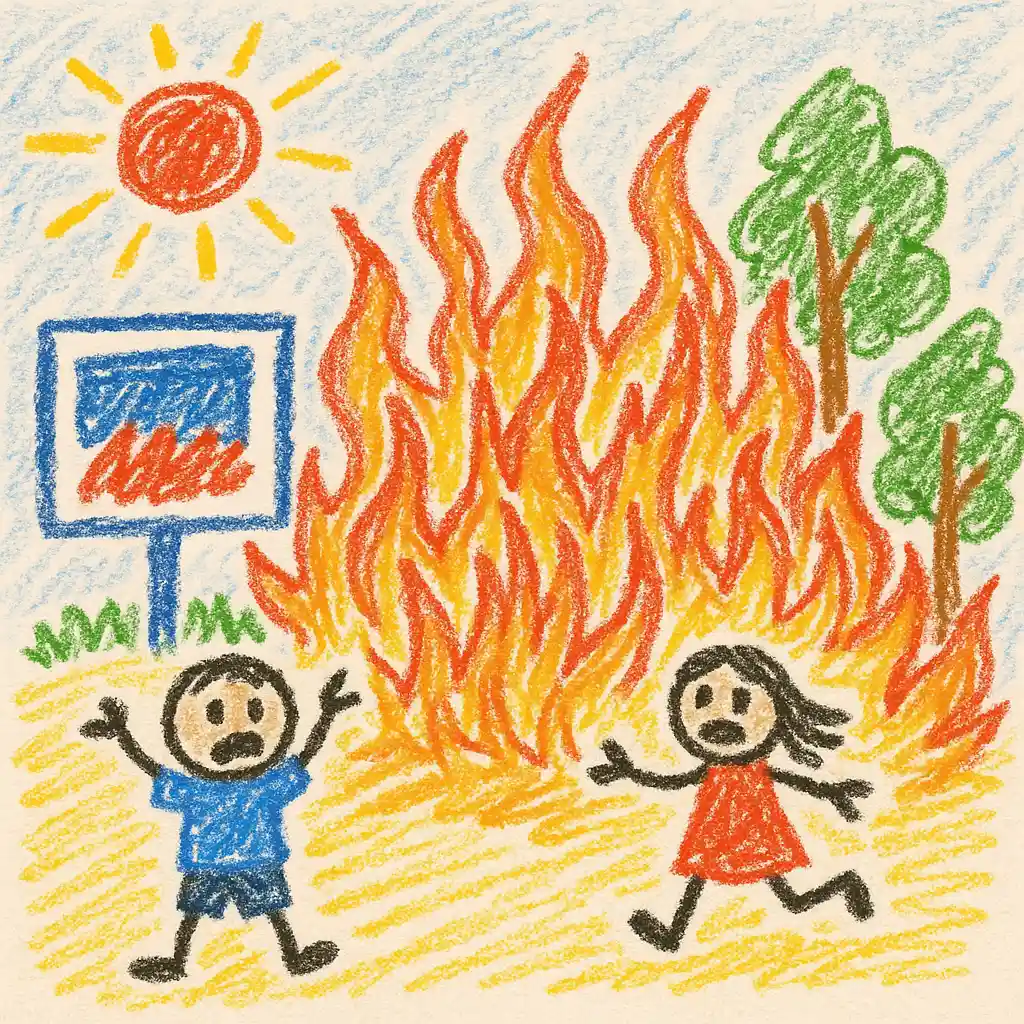
Imagine you're at the beach building the coolest sandcastle ever, but suddenly, someone accidentally steps on it! It's like a surprise, but a scary one. In Australia, a man was swimming when a shark, which is like a big fish with very sharp teeth, surprised him by biting him. He was quickly taken to the beach by helpers, but sadly, he didn't make it. It's like when we try to fix a broken toy but sometimes can't. It's very sad and reminds us that the ocean is full of creatures, some of which can be dangerous.
Explain Like I'm 10
So, there was this man swimming near a place called Kennedy Shoal in northeast Australia. Unfortunately, while he was enjoying the water, a shark attacked him. People nearby acted very quickly and brought him back to shore to try and help him. Despite their fast response, the man passed away from his injuries.
Shark attacks are rare, but they do happen, especially in places like Australia where there are a lot of sharks. It's important for swimmers to be careful and listen to any warnings about sharks in the area. This sad event is a reminder that the ocean is a beautiful but sometimes dangerous place, and we need to respect the home of many creatures, including sharks.
Explain Like I'm 15
In a tragic incident in northeast Australia, near Kennedy Shoal, a man was fatally injured following a shark attack while he was swimming. Despite immediate efforts to save him, he succumbed to his injuries shortly after being brought to shore. This event has once again highlighted the risks associated with swimming in certain areas known for shark activity.
Shark attacks, while statistically rare, are a known hazard in Australian waters, which are home to a large number of shark species. The area where the attack occurred is particularly known for its aquatic biodiversity, including the presence of potentially dangerous sharks. Following such incidents, there's often a discussion about how to better protect swimmers without harming the marine ecosystem. This includes debates on shark nets, culls, or more innovative non-lethal measures.
The broader implications of such events touch upon the balance between human activity and wildlife conservation. Each incident stirs public and governmental debate on how to manage human interactions with nature, especially in tourist-heavy regions known for their natural beauty and wildlife. Moving forward, experts and authorities will likely scrutinize this incident to inform future policies aimed at preventing such tragedies while respecting the natural habitat of marine life.
Want to read the original story?
View Original Source