Man killed by 13ft great white shark in Western Australia
Explain Like I'm 5
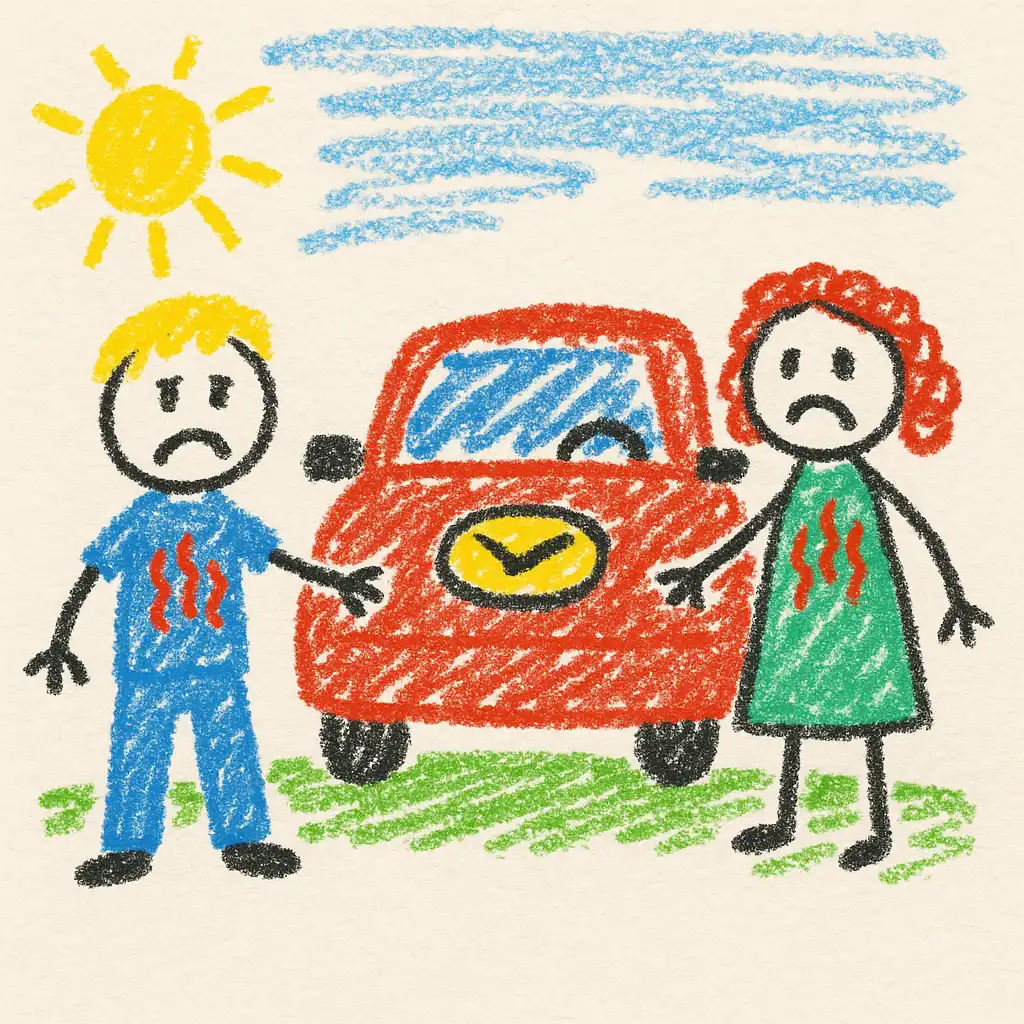
Imagine you're swimming in a big pool, but this pool is actually part of the ocean near a place called Perth in Australia. Now, in this ocean, there are lots of fish and creatures, including big sharks. One of these sharks, which was as long as a car, accidentally hurt a man who was swimming there. This is something very rare but it can happen because sharks sometimes mistake humans for their usual food. It's like when you think you see a cookie on the table, but it's actually a rock that looked like a cookie!
Explain Like I'm 10
In a place called Horseshoe Reef, close to Rottnest Island near Perth in Western Australia, a man was swimming when he was bitten by a very large shark, around 13 feet long! This happened early in the morning. The area is known for being beautiful and many people go there to enjoy the water. Unfortunately, sharks, like the great white, live in these waters too. They are usually not interested in humans, but sometimes they get confused. Think of it like this: if you were a shark and you saw something splashing in the water, you might think it’s your usual lunch, like a seal. The police and other people came to help, but the shark had already hurt the man badly. This is a sad event, and it reminds us that the ocean is a wild place where nature often takes its own course.
Explain Like I'm 15
A tragic incident occurred near Perth, Western Australia, where a man was fatally bitten by a great white shark, measuring about 13 feet, at Horseshoe Reef close to Rottnest Island. This happened just before 10 a.m. local time. Rottnest Island and its surroundings are popular spots for tourists and locals who enjoy water sports and beach activities. However, these areas are also natural habitats for marine life, including various shark species like the great white.
Great white sharks are known for their size and power, and though they do not typically target humans, they can attack if they mistake humans for their usual prey, such as seals or other marine animals. This event highlights the unpredictable nature of wildlife interaction and the inherent risks of water activities in areas known for the presence of potentially dangerous marine animals.
From a broader perspective, such incidents stir discussions on how humans and wildlife can coexist. Measures like shark nets, monitoring, and public education about shark behavior are often debated to find a balance between protecting human life and conserving wildlife. What happened is a stark reminder of the power and unpredictability of nature, and it might lead to increased calls for safety measures in shark-inhabited waters.
Want to read the original story?
View Original Source