Medical neglect contributed to mother's death, inquest finds
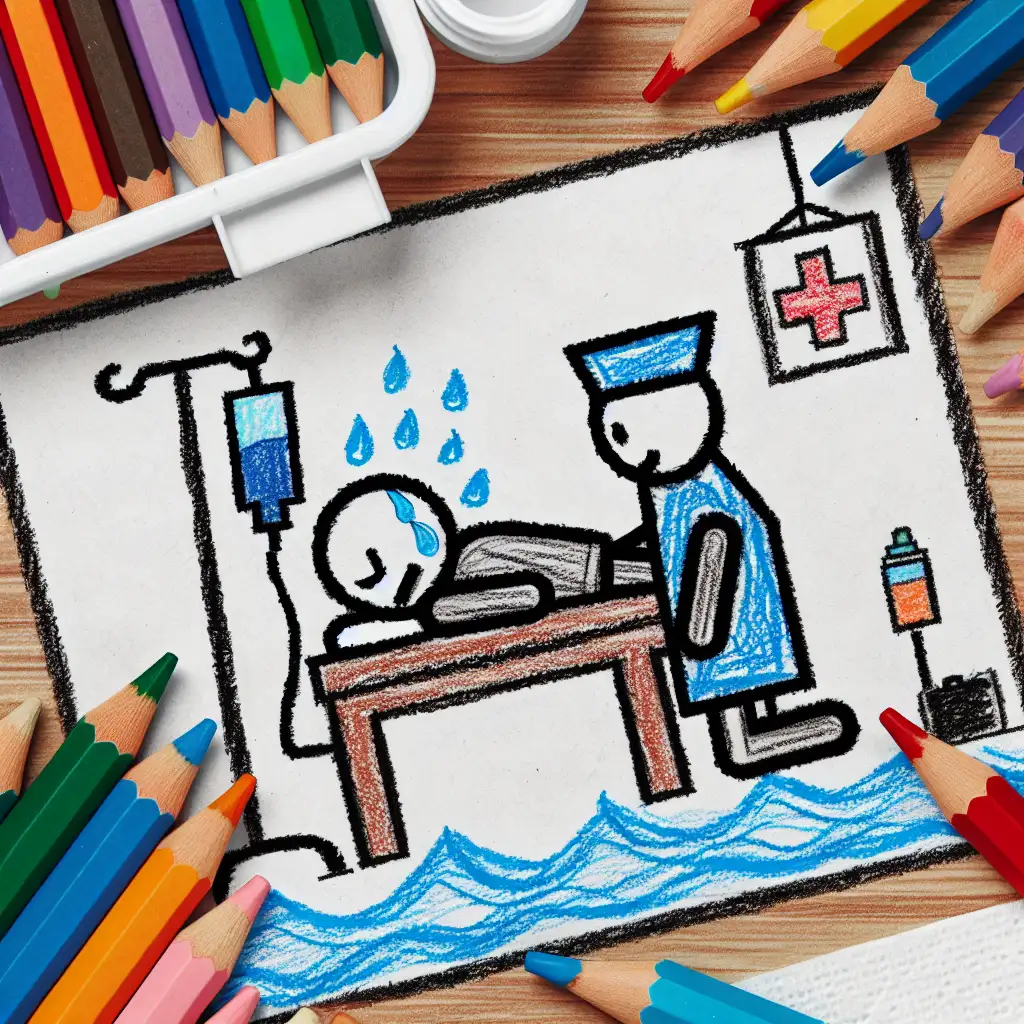
Explain Like I'm 5
Imagine you have a really important letter that tells your friend how to avoid a big, scary monster. But, oops! You forget to send it! Sadly, because the letter wasn't sent, the monster surprises your friend. Something a bit similar happened in a sad story about a lady named Sue Howells. She was sick, and the doctors did some tests that showed there was a problem — like a warning about a monster. But the doctor didn't see the warning in time because of a mistake. This mistake led to Sue not getting the help she needed, which is really sad. It's like the doctor forgot to send the warning letter.
Explain Like I'm 10
Sue Howells was a mother who got very sick because she had something dangerous called a blood clot. This is like a blockage in a water pipe; it stops things from moving like they should. Doctors are supposed to check tests to see what’s wrong with people, like detectives looking for clues. In Sue's case, her doctor didn't see the test results that showed she had a dangerous blood clot. It’s like missing a big red warning sign while driving. Because of this mistake, they couldn’t fix the problem in time, and sadly, Sue died. This is a serious issue because doctors are trusted to look after our health, and when they miss something important, it can have very sad consequences.
Explain Like I'm 15
Sue Howells, a mother, tragically passed away due to a condition known as a blood clot. This can be very serious and needs quick treatment to prevent severe outcomes. In this case, an inquest, which is like a formal investigation to find out what happened after someone dies unexpectedly, found that Sue’s death was partly because of medical neglect. This means the healthcare system, which is supposed to protect and heal, failed her at a critical moment.
The core issue was that Sue's doctor didn’t see the test results indicating a blood clot. It’s like having the answers to a major problem and not looking at them. This oversight highlights a significant problem in healthcare: ensuring that all important medical information is reviewed and acted upon promptly. The broader implications are quite serious, touching on the reliability of healthcare systems, the processes they use to manage patient information, and how they respond to emergencies. This tragic event may lead to calls for better systems to ensure that such an oversight doesn't happen to others, potentially saving lives by improving how critical information is handled. It’s a call to action to improve communication and procedures in healthcare settings.
Want to read the original story?
View Original Source