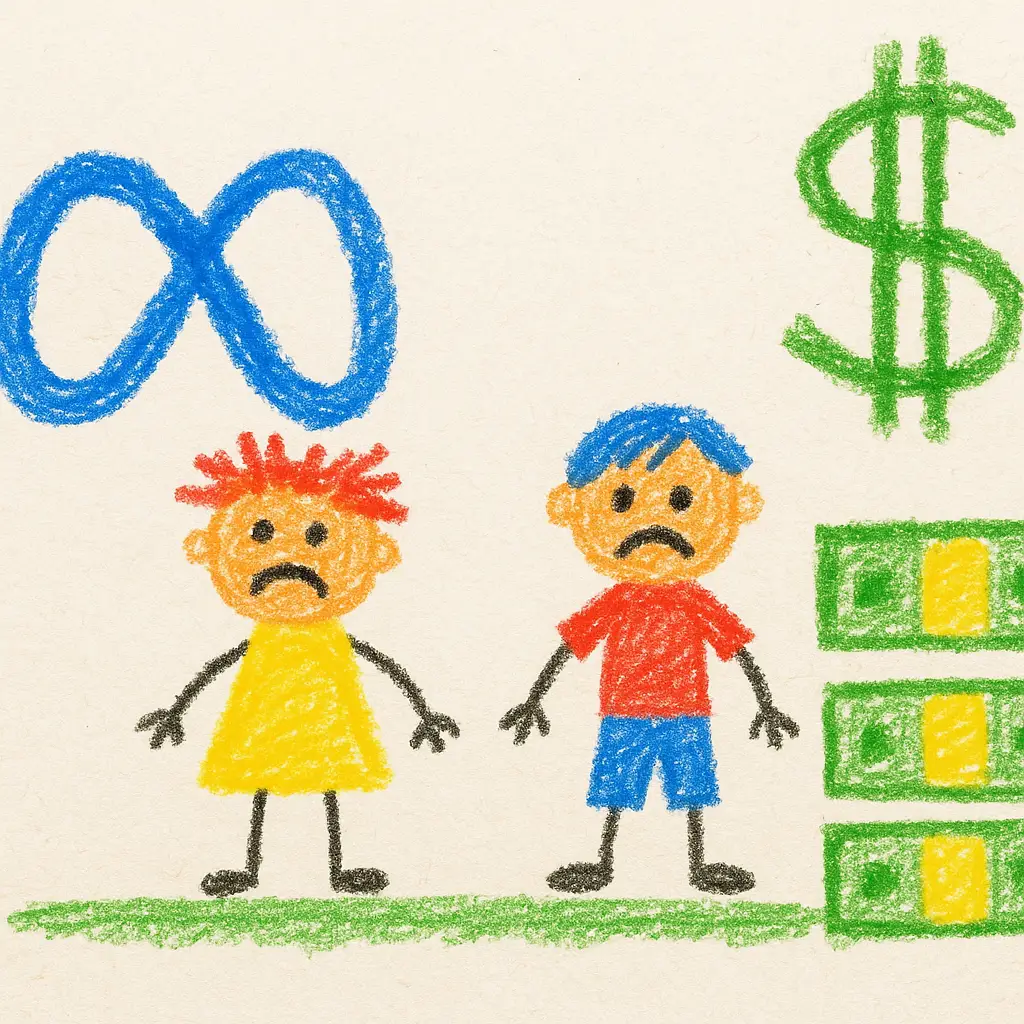
Meta and YouTube found liable in landmark social media addiction trial

Explain Like I'm 5
Imagine if you had a toy that was designed to be so much fun that you wanted to play with it all the time, and it could even make you feel a bit upset when you weren't playing with it. Now, what if someone said that the toy makers made it too good at keeping kids playing, to the point where it wasn't really good for them? That's a bit like what happened with Meta (the company behind Facebook) and YouTube. They made their websites so interesting that a woman felt she couldn't stop using them, and it was causing her problems. A judge decided that these companies were responsible for making their websites too addictive, like a toy that's too hard to put down, and they had to give the woman some money because of it.
Explain Like I'm 10
Meta (which owns Facebook) and YouTube got into big trouble because they made their websites really, really engaging. So engaging, in fact, that a woman argued it was making her addicted—like how you feel when you can't stop watching your favorite cartoon. She felt that these websites were designed in a way that made it hard for her to stop visiting them, which started affecting her daily life negatively. She took them to court over this, saying it was their fault for making their sites like that, and guess what? The court agreed with her! They told Meta and YouTube that they have to pay her $6 million because their platforms caused her harm. This trial is a big deal because it might lead to a lot of other similar cases, where more people might ask for something to be done about how addictive social media can be.
Explain Like I'm 15
In a groundbreaking legal decision, Meta (the parent company of Facebook) and YouTube were found liable in a trial where a woman claimed that their platforms were so addictively designed that they significantly disrupted her life. This isn't just about spending a lot of time online; it's about how these companies potentially engineered their platforms to keep users scrolling and clicking longer than they intended, which can lead to real issues like neglecting personal health or relationships.
This verdict, where the woman was awarded $6 million, is monumental because it sets a precedent. It suggests that if a platform is designed in a way that could cause addiction, the company behind it might be legally responsible. This trial taps into broader concerns about the ethical design of technology and its impact on mental health, highlighting a growing scrutiny over tech companies' responsibility towards their users.
The implications here are vast. If more cases like this pop up and succeed, we could see major changes in how social media platforms are designed and regulated. It could lead to new laws or changes in existing ones to ensure tech companies prioritize user well-being over engagement metrics. Moreover, this case could inspire users in other countries to seek similar judgments, potentially leading to a global shift in how we understand and interact with technology.
Want to read the original story?
View Original Source