Minneapolis protesters hold noise demonstration
Explain Like I'm 5
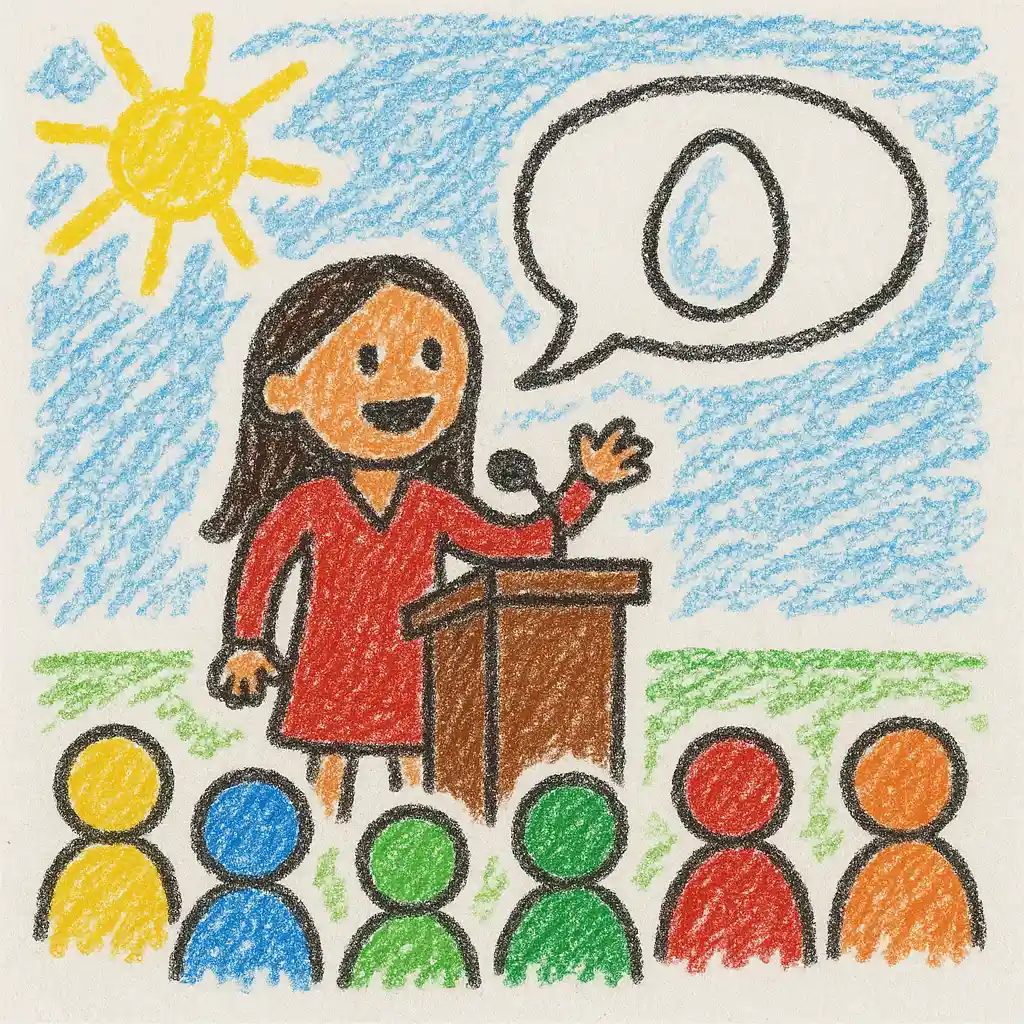
Imagine you have a toy drum and you bang on it really loudly when you want your parents to notice that you need more cookies. Now, think of a group of adults in Minneapolis who, instead of wanting more cookies, want to be heard about something important they care about. So, they gathered together and made a lot of noise using horns, drums, and their voices. This is called a noise demonstration. They do this because making a lot of noise grabs people's attention, just like your drumming does!
Explain Like I'm 10
In Minneapolis, a group of people came together to make a lot of noise on purpose. They used things like horns, drums, and even shouted, to make sure they were heard. This type of protest is called a noise demonstration. People usually do this when they feel that their messages or concerns are not being heard or addressed properly by those in power, like government officials or community leaders.
The protesters chose to make noise as their way of expressing dissatisfaction and to make sure others pay attention to their concerns. It's a bit like when you see someone waving their arms around to get noticed from afar. The immediate consequence is that it disrupts the normal flow of the day in that area, and it certainly gets the attention of the media and local residents. It's a way of saying, "Hey, look over here, we have something important to say!"
Explain Like I'm 15
In Minneapolis, a noise demonstration took place where protesters gathered to express their grievances loudly and publicly. Noise demonstrations are a form of direct action protest, utilizing loud sounds to capture public and media attention. This tactic is used when protesters believe that more conventional forms of communication have been ignored or are insufficient to convey the urgency of their message.
The historical context of noise demonstrations dates back to various movements where visibility and audibility were crucial in gaining support and recognition. By disrupting the usual peace, protesters aim to disrupt the social order momentarily, forcing people to acknowledge their issues. The broader implications involve drawing attention to specific social, political, or economic issues they feel are being overlooked.
In terms of what may happen next, such demonstrations can lead to heightened public awareness, potential policy discussions, or could escalate tensions if not adequately addressed by authorities. Experts on social movements might analyze this as a sign of increasing public discontent and a call for urgent dialogue between the community and those in power. The effectiveness of such protests often depends on the subsequent media coverage and public response, shaping the narrative and potential outcomes of the demonstration.
Want to read the original story?
View Original Source