Molly Russell's dad says PM rushing social media restrictions 'deplorable'
Explain Like I'm 5
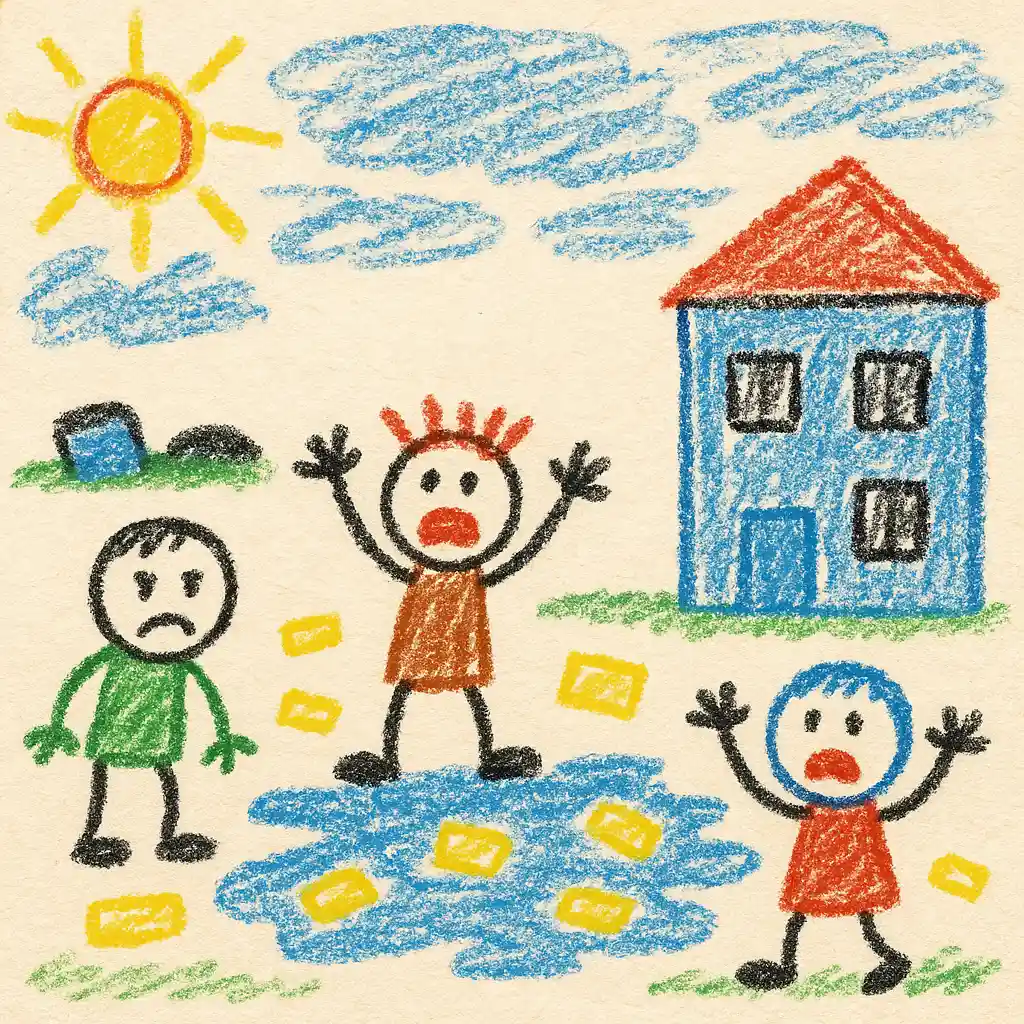
Imagine you have a big box of crayons, and one of the crayons starts to make your pictures look really sad. Someone important, like the principal of your school, decides to take that crayon away so it doesn't make any more kids sad. But instead of waiting to find the best way to do it, they rush and just grab a bunch of crayons without looking, hoping they get the right one. Molly Russell’s dad is upset because he thinks the principal is rushing to take the crayons away not to make sure they get the right ones, but because they want to look good in front of everyone.
Explain Like I'm 10
Molly Russell was a teenager who saw very upsetting things on social media, which is like a digital playground where people can share pictures, stories, and talk to each other. Sadly, Molly took her own life, and her dad believes that seeing these upsetting things played a big part in her decision. Now, the Prime Minister wants to introduce new rules to clean up social media so that it doesn't show harmful stuff to kids. But, Molly's dad feels the Prime Minister is being too quick to put these rules in place and might be doing it for the wrong reasons—like wanting to look good or get more support from people, rather than making sure the rules actually work well. He thinks it's very important to get it right rather than just doing it fast.
Explain Like I'm 15
Molly Russell was tragically influenced by harmful content she encountered on social media, leading to her death. This sparked a huge debate about how social media platforms should control or filter the content that can potentially harm young viewers. The Prime Minister is now pushing to expedite new regulations that would hold these platforms accountable, ensuring they monitor and manage the content more strictly.
Molly’s father, however, is critical of this sudden rush. He suspects that the acceleration in implementing these restrictions might be more about political gains—perhaps to win public favor or distract from other issues—rather than a genuine, well-thought-out effort to protect other young users effectively. This controversy highlights a broader tension between the need for prompt action to safeguard young internet users and the political dynamics that can influence such policy decisions. It’s a complex interplay of political strategy, public safety, and the immense influence of digital platforms on our lives. The next steps involve watching how these policies are implemented and whether they address the root of the problem without stifling the free flow of information.
Want to read the original story?
View Original Source