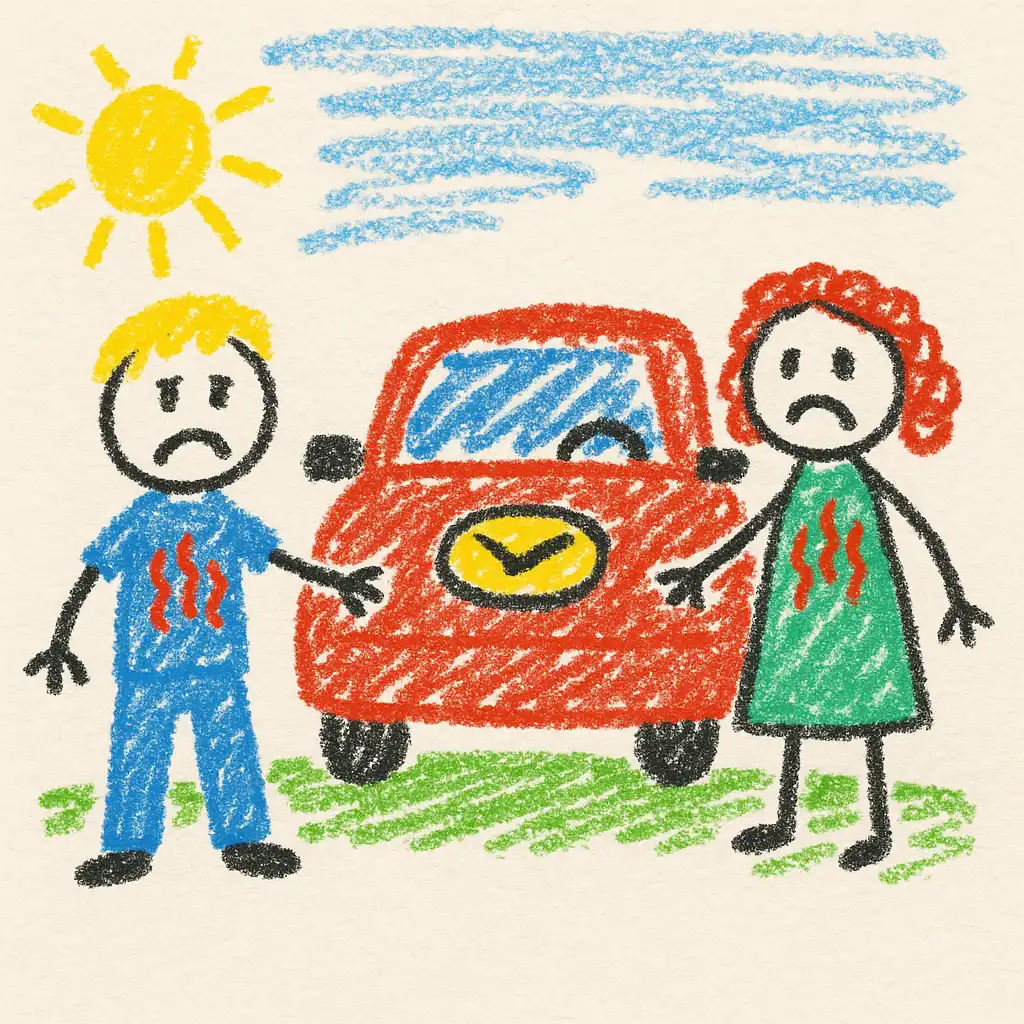
More than half of France under red alerts as heatwave intensifies
Explain Like I'm 5
Imagine you're playing outside on a super sunny day, and it gets so hot that you start feeling like a cookie baking in an oven. Now, think about a whole country, like France, where it's so hot that more than half of it is being warned to stay cool and drink lots of water because it's not just a little hot—it's super-duper hot! The people in charge there are saying, "It's really, really hot, everyone, so let's try to stay cool and make sure no one gets too hot." They're worried because when it gets this hot, it can make people feel sick.
Explain Like I'm 10
In France right now, it's incredibly hot—so hot, in fact, that more than half the country has been given a red alert. This means that the weather experts are saying, "Watch out, it's dangerous to be out in this heat." The temperatures are climbing so high that the health minister of France has warned that a lot of people could feel really sick because of the heat. Just like when you get too hot and need to drink water and sit in the shade, everyone in these areas needs to do the same. This extreme heat can be harmful, especially to older people or those who are already not feeling well. It's important for everyone to try to stay cool and drink plenty of water until the heat goes down, which they hope will happen after Monday.
Explain Like I'm 15
Right now, France is experiencing an intense heatwave, affecting over half of the country with red alert warnings. This isn't just a discomfort—it's a serious health risk. High temperatures like these can lead to heatstroke and other heat-related illnesses, especially among vulnerable populations like the elderly and those with pre-existing health conditions. The French health minister has publicly expressed concern, stating many could suffer due to the anticipated peak in temperatures on Monday.
This situation ties into broader issues like climate change, which is thought to be causing more frequent and severe heatwaves around the globe. This isn’t just about a few hot days; it's a part of a pattern that could have significant implications for our health systems, economy, and how we plan our cities and towns. Experts are likely keeping a close eye on how these events are managed because they provide insights into how prepared countries are for dealing with the effects of climate change. What happens next could inform future policies and preventive measures, not just in France but globally, as we continue to see similar patterns in weather.
Want to read the original story?
View Original Source