MSPs prepare for final amendments to assisted dying bill
Explain Like I'm 5
Imagine you have a big, complex LEGO set. Before you show it to everyone, you want to make sure all the pieces are perfect, so you ask your friends for help. That's kind of like what's happening in Scotland right now with a very important law about helping people who are very sick and in a lot of pain to have the choice to peacefully end their suffering. The lawmakers, called MSPs (like your friends), are adding and changing little parts of the law (like LEGO pieces) to make sure it's just right before they decide if it's ready to be used.
Explain Like I'm 10
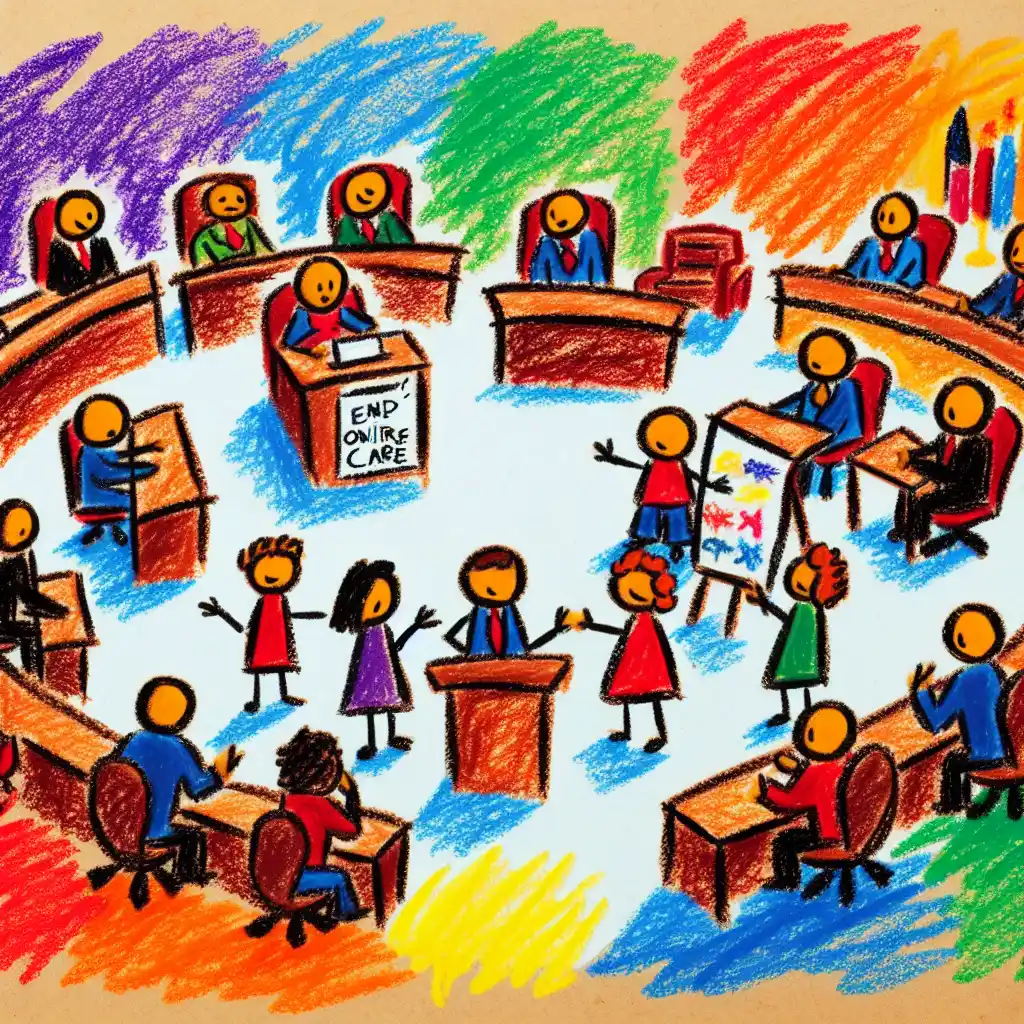
In Scotland, there's a big discussion going on about a law called the assisted dying bill. This law would allow doctors to help very sick people, who are in a lot of pain and have no chance of getting better, to choose to end their lives peacefully. But, making a law like this is very serious and needs to be perfect to make sure it's safe and fair. So, the MSPs (they're the people who make laws in Scotland) are looking at about 300 suggestions on how to change the law to make it better. They're tweaking it, just like editing a big essay to make it perfect before handing it in. Once they agree on all the changes, they will vote to decide if this should become a law or not. It's important because it affects people's lives and the choices they can make when they are very ill.
Explain Like I'm 15
The assisted dying bill in Scotland is a controversial and sensitive piece of legislation that's aimed at allowing terminally ill patients the choice to end their lives under strict conditions. This is a big deal because it touches on ethical, moral, and medical issues. The Members of the Scottish Parliament (MSPs) are currently fine-tuning the bill, with around 300 amendments proposed. These amendments could range from defining strict guidelines on who qualifies for assisted dying, to safeguards ensuring patients are making informed and voluntary decisions.
The historical context here is important. Assisted dying laws have been debated around the world, with countries like the Netherlands, Belgium, and Canada having passed similar laws. Each country has approached the issue differently, balancing the autonomy of the individual with the ethical responsibilities of medical professionals and society. In Scotland, the debate has been ongoing, reflecting deep societal questions about the value of life and the rights of individuals suffering from incurable illnesses.
As the bill approaches its final stages, the outcome will have significant implications. If passed, it will change how end-of-life care is approached in Scotland, possibly influencing other regions in the UK and beyond. Critics argue it could lead to pressure on vulnerable patients or slippery ethical slopes, while supporters believe it offers dignity and choice to those facing unbearable suffering. What happens next will be closely watched both within Scotland and internationally, giving insights into how modern societies navigate these complex ethical landscapes.
Want to read the original story?
View Original Source