
Muslims projected to outnumber Christians worldwide by 2035
Explain Like I'm 5
Okay, imagine we have a giant cookie jar filled with different kinds of cookies. Right now, the chocolate chip cookies (that’s like Christians) are the most popular, but guess what? The oatmeal raisin cookies (that’s like Muslims) are growing in number super fast! By 2035, there will be more oatmeal raisin cookies than chocolate chip ones in the jar!
So, the big takeaway is that in a little while, there will be more people who follow Islam than there are people who follow Christianity. It’s like a cookie competition where one kind is catching up quickly!
Explain Like I'm 10
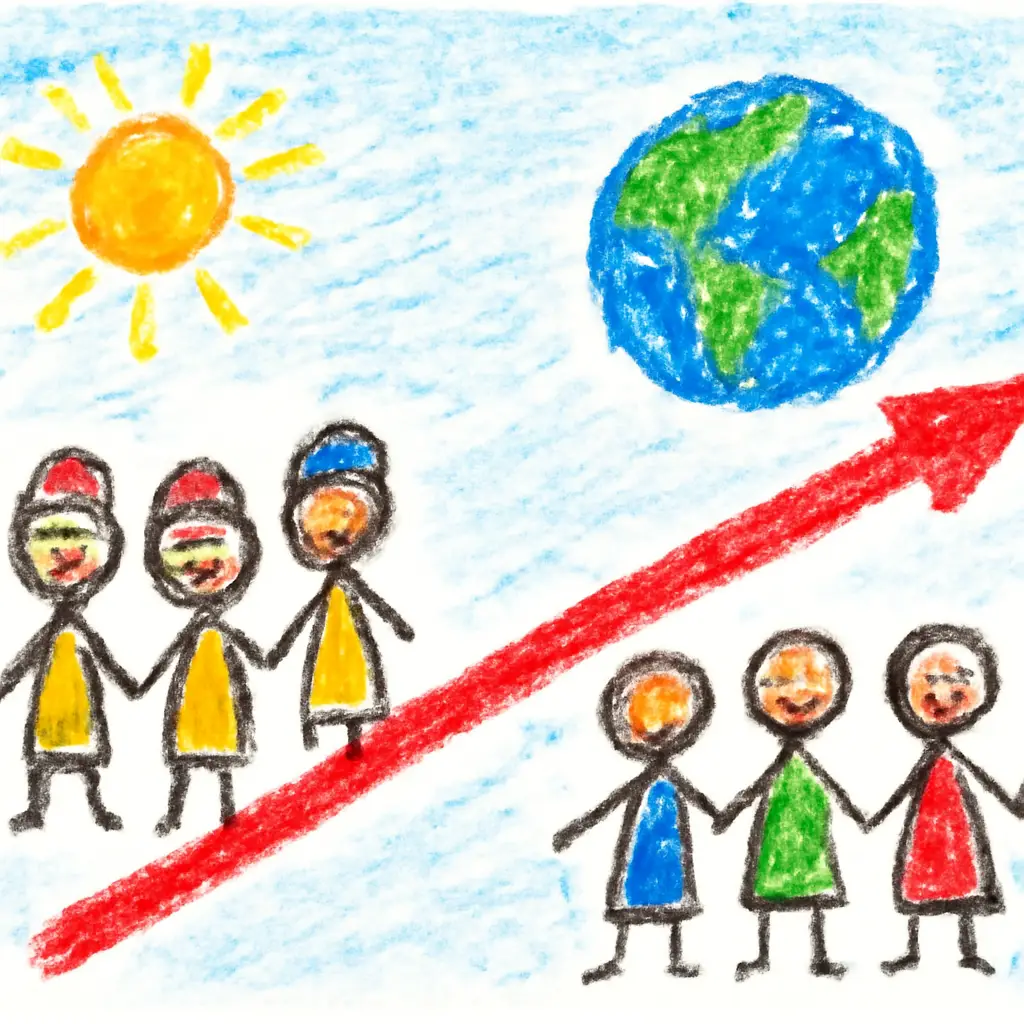
Alright, so researchers have been looking at how many people follow different religions around the world and they found something surprising. Right now, Christianity is the largest religion, but it looks like Islam is on track to become the biggest by 2035. This means that there will be more Muslims than Christians worldwide.
The main players in this story are the followers of these religions. There are many factors contributing to this change—like higher birth rates among Muslim families and different patterns of religious conversion. This news is especially relevant now, as people are becoming more aware of religious diversity and how it shapes our world.
The immediate consequence of this shift might lead to changes in how societies discuss and understand religion, culture, and identity, particularly in places where both religions are present. It’s like how our friends might start trying more different flavors of ice cream if they see everyone enjoying them!
Explain Like I'm 15
This projection about Muslims potentially surpassing Christians in numbers by 2035 is based on demographic research that looks at birth rates, migration patterns, and religious conversion trends. Currently, Christianity is the largest religion globally, but Islam is growing rapidly due to several factors, including higher fertility rates in predominantly Muslim countries and significant Muslim populations in regions with younger demographics.
Historically, both religions have had large followings, but the dynamics are shifting. For instance, Christianity has seen a decline in some Western countries where secularism is on the rise, while Islam is flourishing in regions like Africa and Asia. The implications of this demographic shift could have significant social and political ramifications. Countries may need to address how they accommodate diverse religious practices and beliefs as the population mix changes.
In terms of what might happen next, we could see shifts in how countries engage on the international stage, as the balance of religious influence changes. Experts suggest this could lead to both opportunities for greater interfaith dialogue and potential tensions, especially in areas where religious identity is closely tied to national identity. So, it’s like watching a game where the teams are changing, and everyone is trying to figure out the new rules!
Want to read the original story?
View Original Source