Myanmar’s military holds second phase of elections amid civil war
Explain Like I'm 5
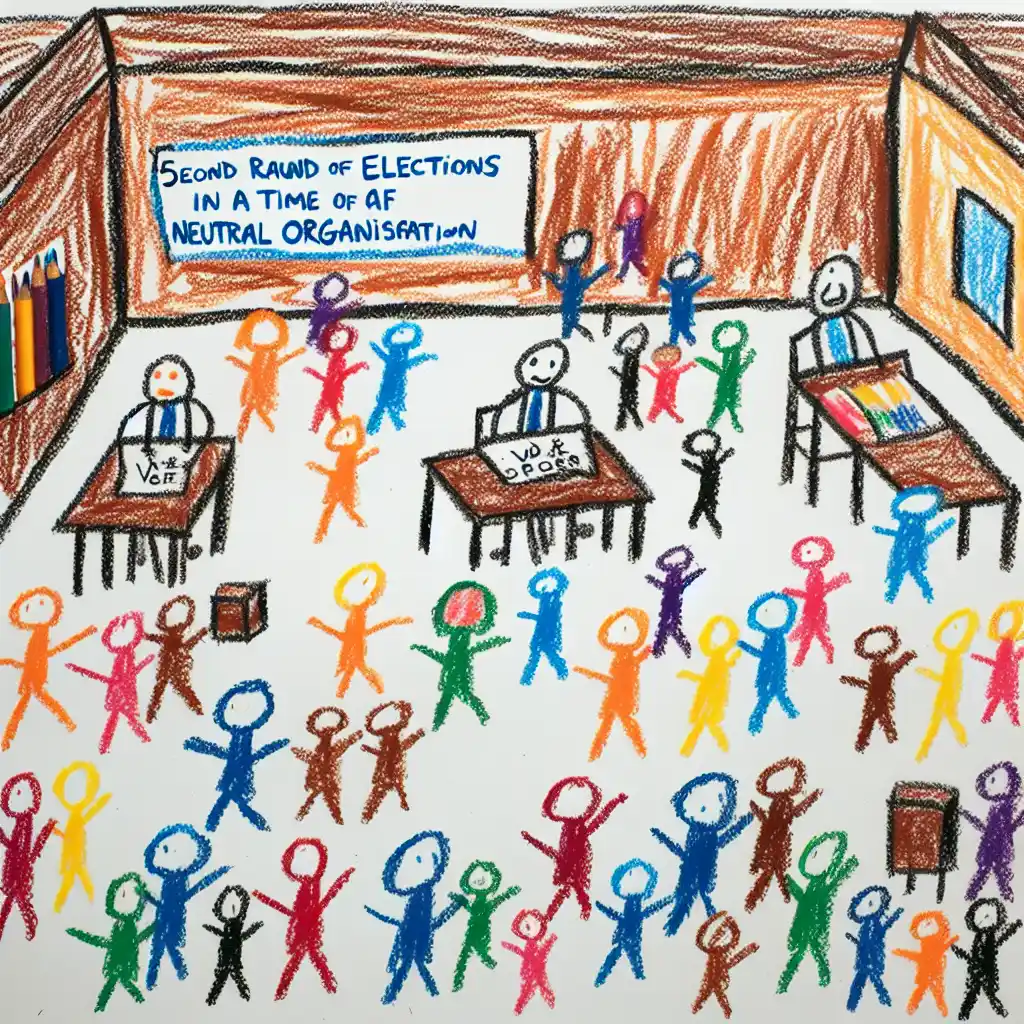
Imagine you're playing a game of musical chairs, but instead of fun music and quick steps, there's a big mess around because some of the players aren't getting along. In Myanmar, which is a country far away, they're trying to play a game of "who should be in charge." They had a first round of choosing and are now on their second go. But, it's really tough because there's a big disagreement and fighting happening in the country. The people running the game, who are the military (kind of like the school principals), say that more than half of the players came back to play again in this second round. But it's hard to say if everyone is really happy about playing or if they feel they have to.
Explain Like I'm 10
In Myanmar, they're trying to figure out who gets to make the rules. It's like when your class votes for a class president. But, things are pretty serious there because there's a civil war, which means different groups in the country are fighting each other because they don't agree on who should be in charge. The military, which is like the group of adults who stepped in to take control, is holding elections to decide this. They already had one round of voting and now they're doing it again. They said 52 percent of people voted the first time, which is like saying just over half of your class voted.
However, it's not just a normal election. Since there's a lot of fighting and disagreement, not everyone may feel safe or free to vote for who they really want. This makes it really tricky to know if the results of the election will be what truly everyone wants.
Explain Like I'm 15
Myanmar is currently in a complex situation. The military, which took control from the elected government in 2021, is holding the second phase of elections during an ongoing civil war. This conflict involves various ethnic and political groups who disagree vehemently with the military's rule and each other, leading to widespread violence and instability.
The military claims a 52 percent voter turnout in the first round of these elections, which is significant but also questionable due to the unrest. Holding elections in such a turbulent context raises concerns about their legitimacy and fairness. Critics argue that true democratic elections can't occur under military control, especially when the opposition is silenced or intimidated.
This situation isn't just about who gets elected but touches on broader issues of human rights, democracy, and international law. The outcome of these elections and the ongoing conflict could shape Myanmar's future for years to come, affecting not just political power distributions but also the daily lives of millions of its citizens. The international community watches closely, though their influence and effectiveness in resolving such conflicts can be limited.
Want to read the original story?
View Original Source