Nigerian author Chimamanda Ngozi Adichie 'devastated' by death of young son
Explain Like I'm 5
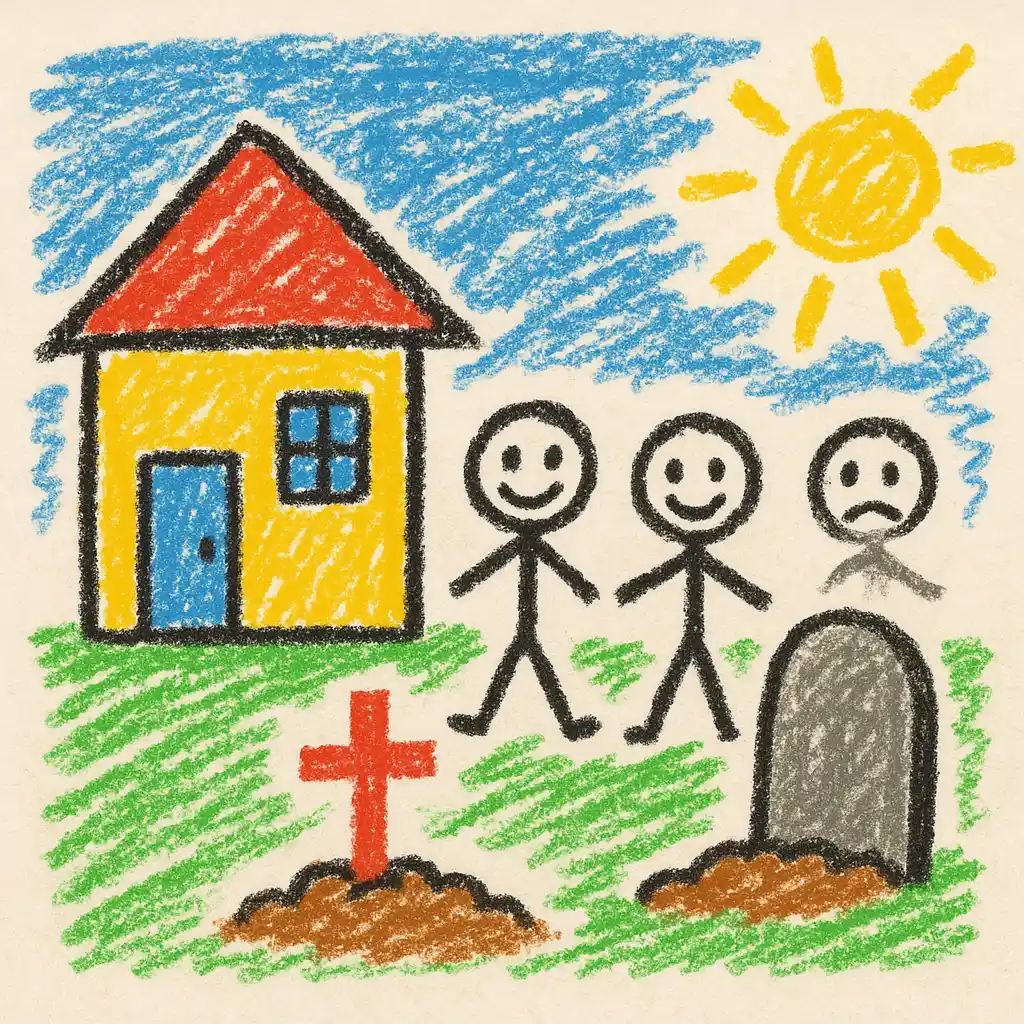
Imagine if you had a very special toy that made you super happy, but one day, it got lost. You'd feel really sad, right? That's how the Nigerian writer Chimamanda Ngozi Adichie feels right now because her young son, who was very special to her, has passed away. She wrote some famous books and had twin boys just a short while ago, in 2024. Losing her son made her very sad, just like you would feel about your toy, but even a lot more.
Explain Like I'm 10
Chimamanda Ngozi Adichie, a famous writer from Nigeria who wrote books like *Half of a Yellow Sun* and *We Should All Be Feminists*, recently experienced something very sad. She had twin boys in 2024, and unfortunately, one of her sons has died. This news has made her feel very heartbroken. When someone loses a family member, especially a child, it's like having a part of your heart go missing. It's a tough time for her because she loved her son very much, just like your family loves you. This kind of news is very personal, but it's shared with the world because Chimamanda is a well-known public figure, and her books and thoughts have touched many people's lives.
Explain Like I'm 15
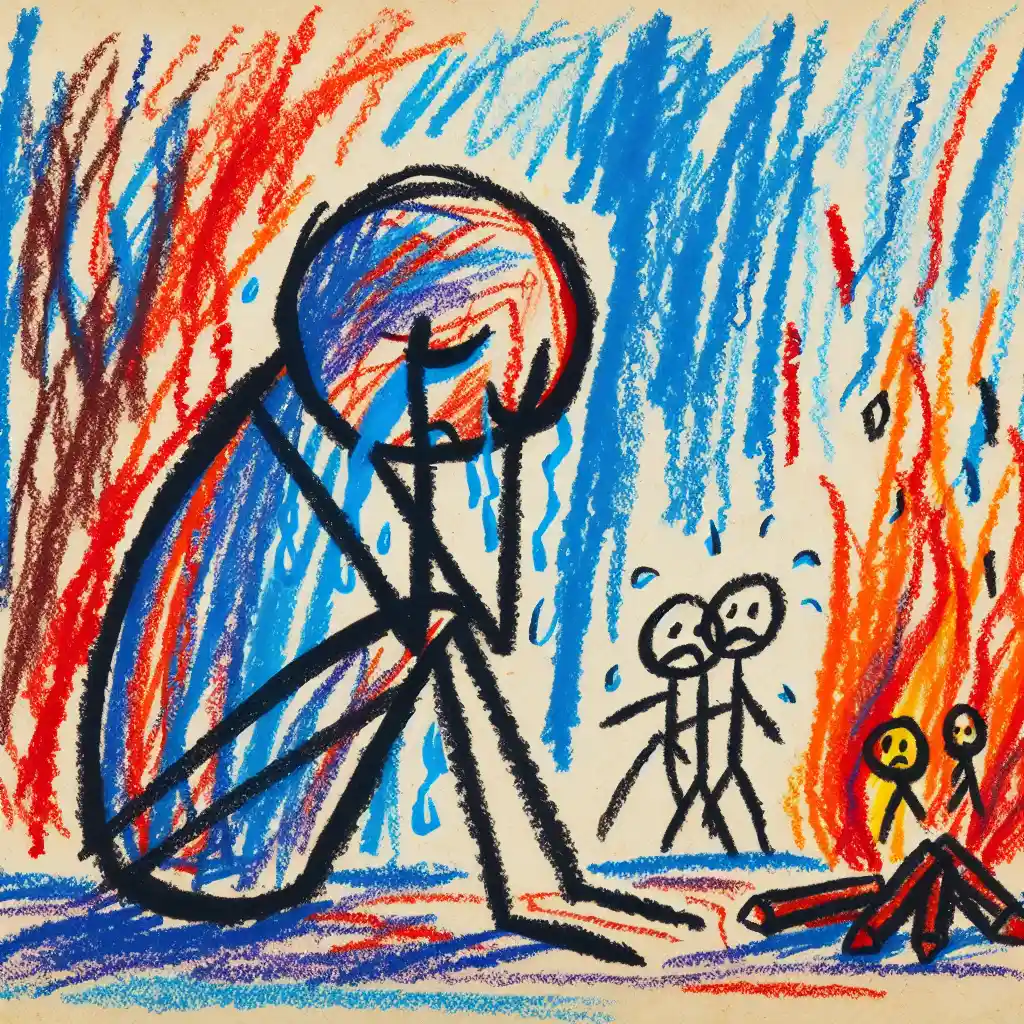
Chimamanda Ngozi Adichie, a renowned Nigerian author known for her impactful works like *Half of a Yellow Sun* and her essay *We Should All Be Feminists*, is going through a profoundly tough time. She recently became the mother of twin boys in 2024, but tragically, one of her sons has passed away. The loss of a child is one of the most devastating experiences a parent can endure, marked by profound grief and a sense of loss that can feel overwhelming.
Chimamanda's work often explores themes of identity, feminism, and human rights, and she has a significant following around the world. Her personal tragedy might resonate deeply with her readers, adding a layer of human vulnerability to the public persona she usually carries. This event might also influence her future writings, as personal experiences, especially such impactful ones, often shape an author's work in profound ways.
While the specific details and circumstances of her son's death are private, the emotional weight of her loss is something that can evoke empathy and support from her global audience. This situation also highlights the universal challenge of dealing with personal tragedy while in the public eye, where private grief intersects with public expectations.
Want to read the original story?
View Original Source