Oil price falls as Trump talks up Iran peace negotiations

Explain Like I'm 5
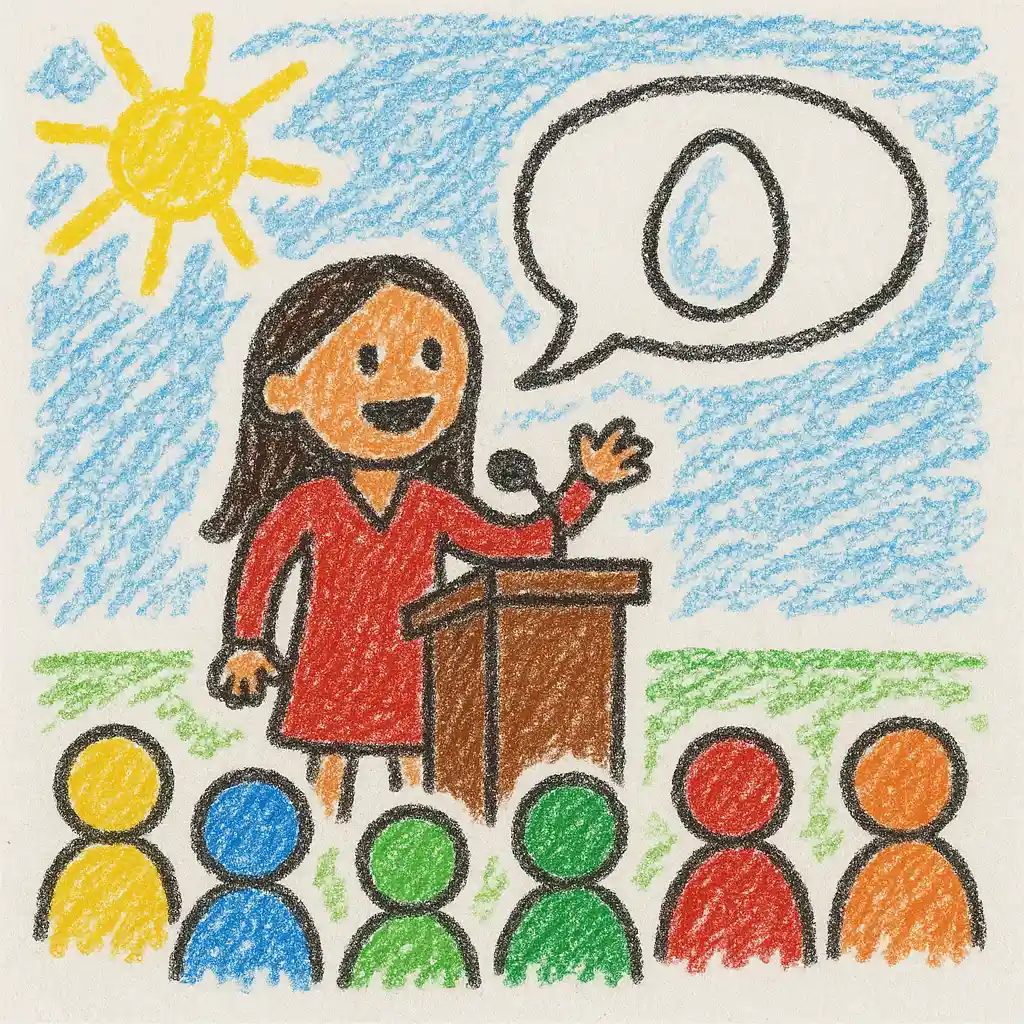
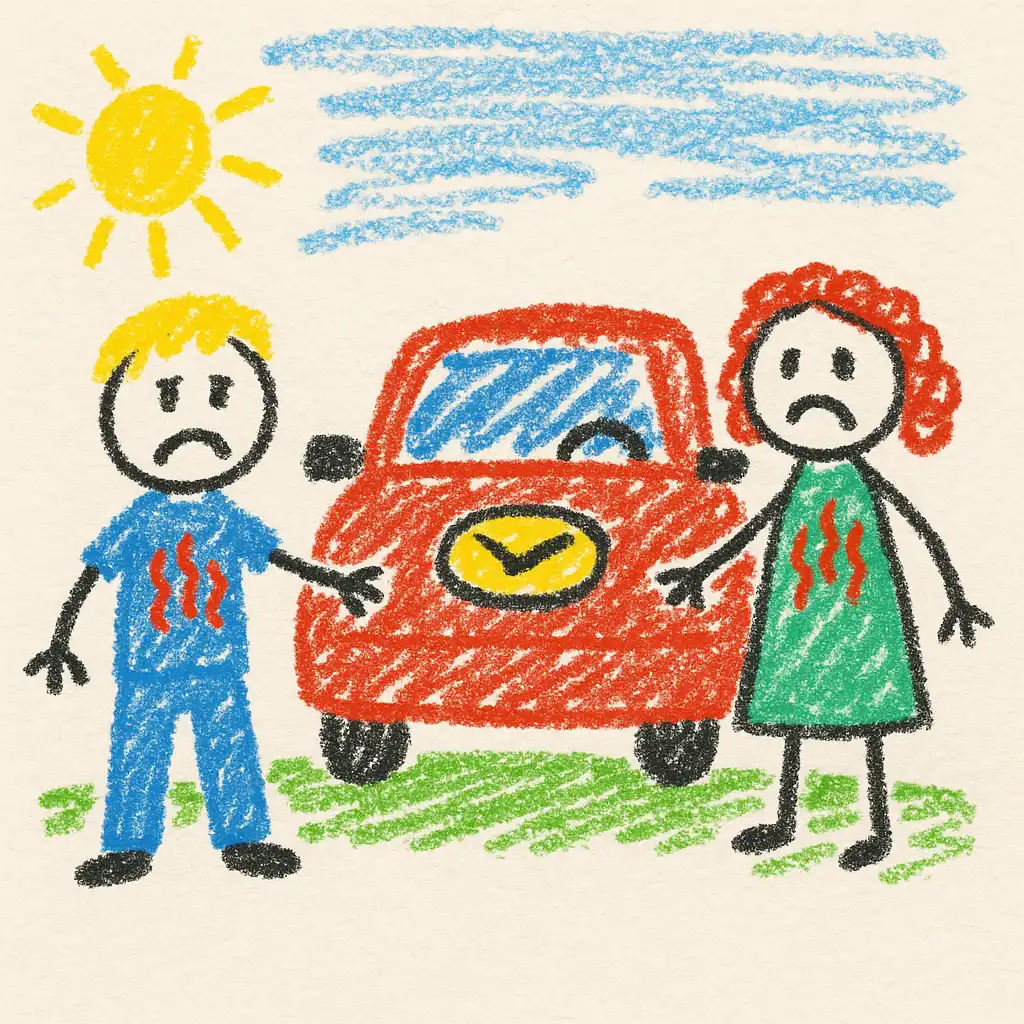
Imagine you have a lemonade stand, and you hear that the two biggest lemon buyers on the street are starting to get along after a big fight. You'd think, "Great! They'll be happy and buy more lemonade!" But instead, everyone else thinks, "Hmm, they won't need as much lemonade to cool off from arguing anymore." So, fewer people come to buy your lemonade because they expect things to be calm. In this story, President Trump is like someone telling everyone that two big buyers (the U.S. and Iran) might stop arguing. Because of this, the price of oil (our "lemonade") went down because people think there might be less drama over oil soon.
Explain Like I'm 10
So, President Trump mentioned that the U.S. might start having friendly talks with Iran. Iran, however, said, "Wait a minute, we're not so sure about that!" and questioned whether the U.S. is really serious or just pretending. This news is like when rumors start in school about two kids making up after a fight; it changes how everyone else acts around them.
When Trump talks about peace with Iran, people who buy and sell oil think, "Oh, maybe there won't be any big problems with getting oil, so we don't need to pay as much for it." That's why the price of oil dropped. Just like in a game, when everyone thinks something is going to happen, they all try to make their move first, which in this case means selling oil at lower prices.
Explain Like I'm 15
When President Trump hinted at possible peace talks with Iran, it stirred up the global oil market. Normally, tensions between big countries can make oil prices go up because people worry that the oil supply might be interrupted. But the idea of the U.S. and Iran, two major players in the oil scene, smoothing things over suggests a more stable oil supply, which usually makes prices drop.
However, Iran responded skeptically, pointing out doubts about the U.S.'s consistency in diplomacy. This kind of back-and-forth can cause uncertainty in the market. Traders, governments, and companies all have to quickly adjust their strategies based on these diplomatic signals.
This situation isn't just about today's oil prices. It's part of a bigger picture involving international relations, economics, and energy policies. What happens next could affect not just oil prices but also how countries interact on other global issues. Depending on how genuine these peace talks are, and how they progress, we might see shifts in economic sanctions, military presence, and international agreements. So, this isn't just about numbers going up and down; it's about the chess game of global politics and how a single move can ripple across the whole board.
Want to read the original story?
View Original Source