One killed as Israel hits south Lebanon, issues forced displacement orders
Explain Like I'm 5
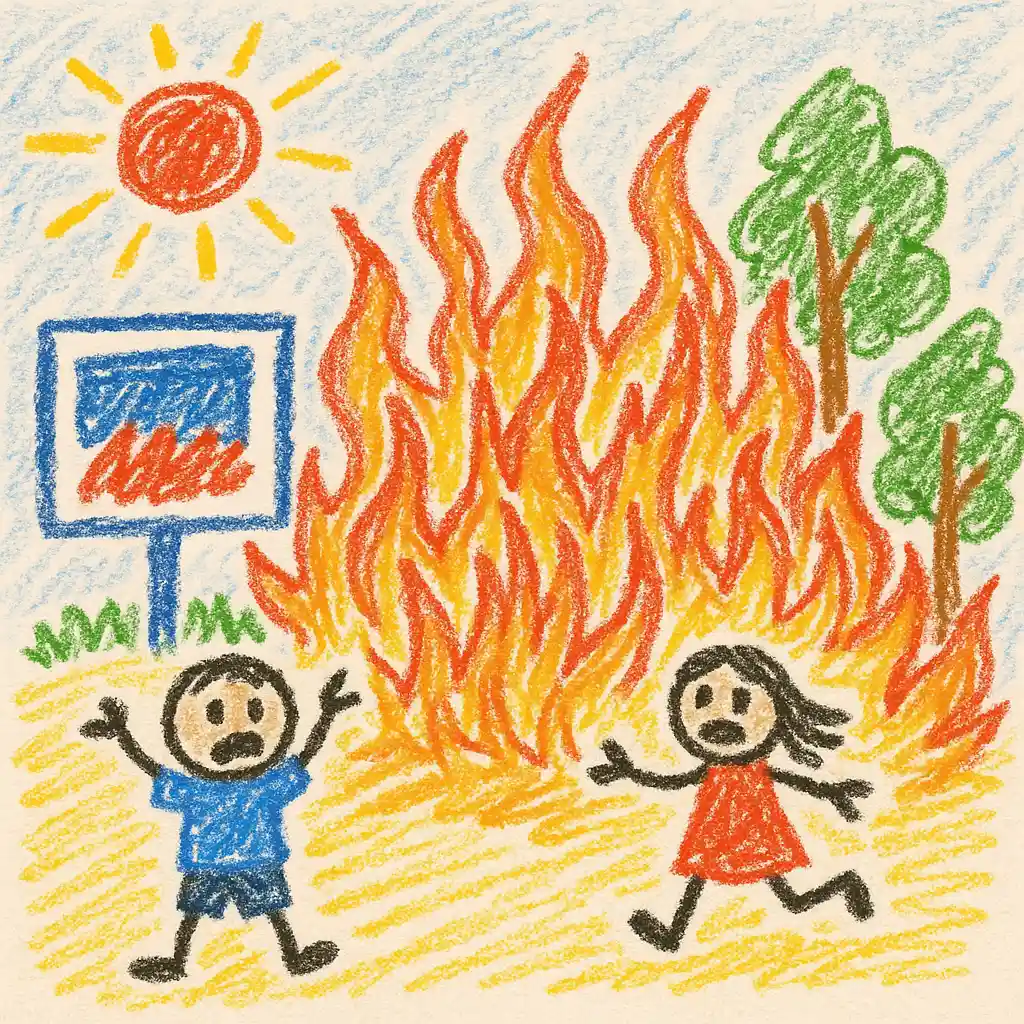
Imagine you have a big box of crayons. One day, you and your neighbor disagree on which crayon is the prettiest. This makes both of you a little upset, and your neighbor ends up throwing one of your crayons out of the window. In this story, something similar is happening but it's a lot more serious. Israel and Lebanon are like two neighbors who can't agree, and unfortunately, this disagreement has led to Israel asking people in some towns in Lebanon to move out of their homes for safety. Sadly, during this situation, one person was hurt and did not survive.
Explain Like I'm 10
In the world, sometimes countries have disagreements that can lead to serious consequences, just like people do. Recently, Israel and Lebanon had such a serious disagreement. Israel took action by striking areas in southern Lebanon, which is a region in Lebanon close to Israel's border. During this strike, sadly, one person was killed. Moreover, Israel told the people living in 20 towns and villages in that area that they needed to leave their homes right away for their own safety. This kind of order is called a "forced displacement order," and it means that it’s not safe there, so people have to move, at least for now. This situation is a bit scary for those involved and shows how important it is for countries to try to solve disagreements peacefully.
Explain Like I'm 15
The recent events involving Israel and Lebanon are part of a long and complex history of conflict in the region. The Israeli military conducted strikes in southern Lebanon, which is directly north of Israel’s border. These strikes resulted in the unfortunate death of at least one person. Following the strikes, the Israeli military issued orders for the residents of about 20 towns and villages in Lebanon to evacuate. This order, known as a "forced displacement order," is typically issued for the safety of the population in areas considered to be at high risk due to ongoing or imminent military actions.
This specific incident escalates tensions between Israel and Lebanon, which have had strained relations over territory and political sovereignty for decades. The immediate implications are severe for the people who have to leave their homes, often with little to no time to gather belongings or make arrangements. This not only disrupts their lives but also raises humanitarian concerns such as where these displaced people will go, how they will access basic necessities, and the overall impact on their well-being.
The broader implications of such military actions and displacement orders can affect international relations and regional stability. The international community often watches these developments closely, as escalations can lead to wider conflicts affecting more countries and possibly drawing in global powers either directly or through diplomatic pressures.
Understanding the perspectives and historical grievances of both sides is key to comprehending why such unfortunate events happen and what might be done to prevent them in the future. Experts often debate these issues, looking for paths to peace and ways to resolve longstanding conflicts that respect the rights and sovereignties of all involved.
Want to read the original story?
View Original Source