
Opinion: White House 'gamifying' Iran war updates
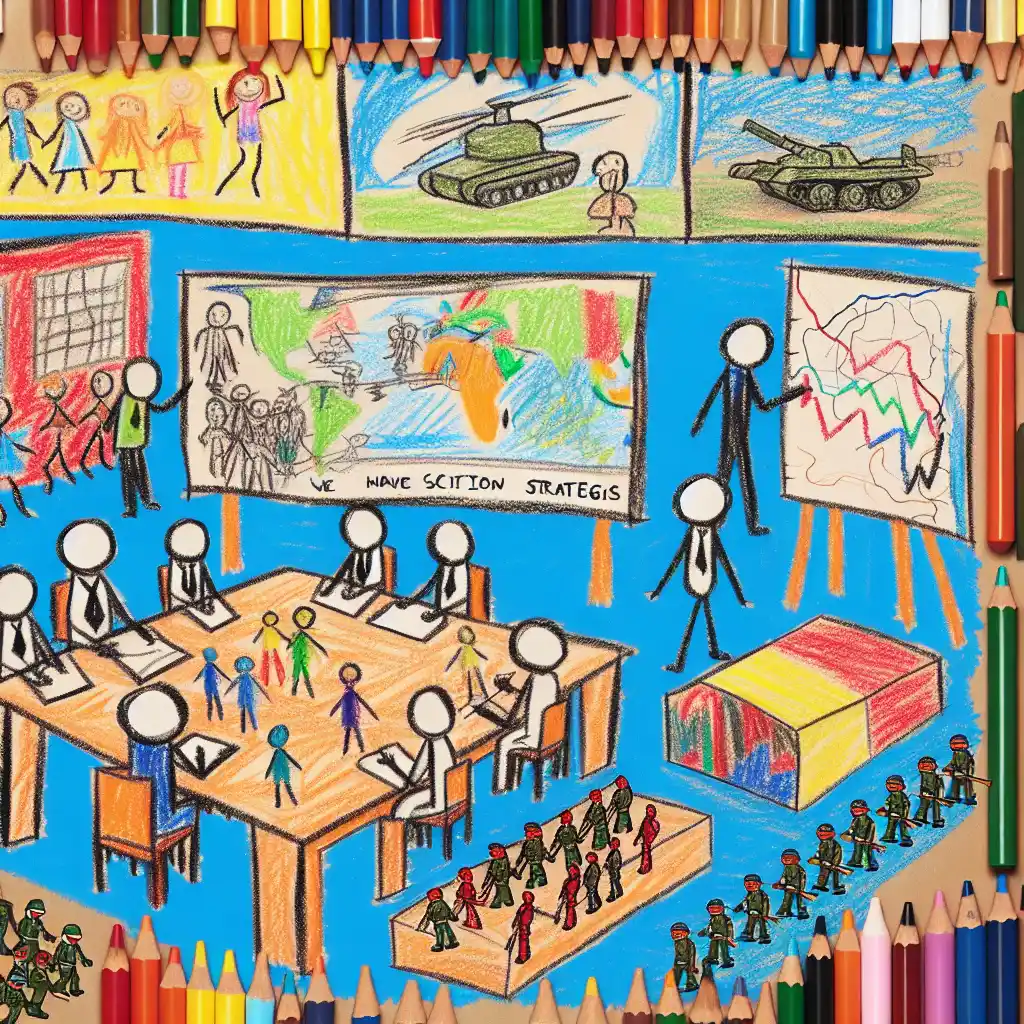
Explain Like I'm 5
Imagine you're playing a video game where you mix different things like cartoons, sports, and real-life videos to tell a story. Well, the White House did something like that, but with a serious topic. They showed pictures and videos from a real war, but they mixed these with clips from video games, sports, and action movies. It's like when you watch a movie and they put in all kinds of clips to make it exciting, but this time, it's about real events happening in a place called Iran.
Explain Like I'm 10
So, the White House has been sharing updates about a war happening in Iran, but they did it in a very unusual way. They created videos that include real footage from the war, like missile strikes and buildings being destroyed. But here’s the twist: they also added clips from video games, sports highlights, and action movies. It's kind of like mixing a documentary with a Hollywood action film and a video game all rolled into one. This style might make the news seem more like entertainment than something serious and real. Some people might find this interesting and easier to watch, but others might think it's not the right way to show what's happening in a real war where real people are affected.
Explain Like I'm 15
The White House has taken a very modern but controversial approach to sharing news about the ongoing war in Iran. They've been posting videos online that blend actual war footage with elements typically seen in entertainment, like video game graphics, sports clips, and scenes from action movies. This method, often referred to as 'gamification,' aims to present complex information in a more engaging and digestible way. However, this raises ethical questions about the portrayal of serious events. By presenting war updates in this manner, there's a risk of trivializing the gravity of the situation and the real human suffering that occurs in such conflicts. It suggests a shift in how governmental communications are adapting to new media trends to capture the attention of a younger, more media-savvy audience. The broader implication here is about the balance between keeping the public informed and the methods used to convey critical news. It also prompts a debate on the potential desensitization to violence and the blurring lines between entertainment and real-world events. What comes next could be a significant discussion on the appropriateness of such communication strategies in serious contexts like war.
Want to read the original story?
View Original Source