Pakistan strikes Kabul, declares ‘open war’ on Afghanistan following clashe
Explain Like I'm 5
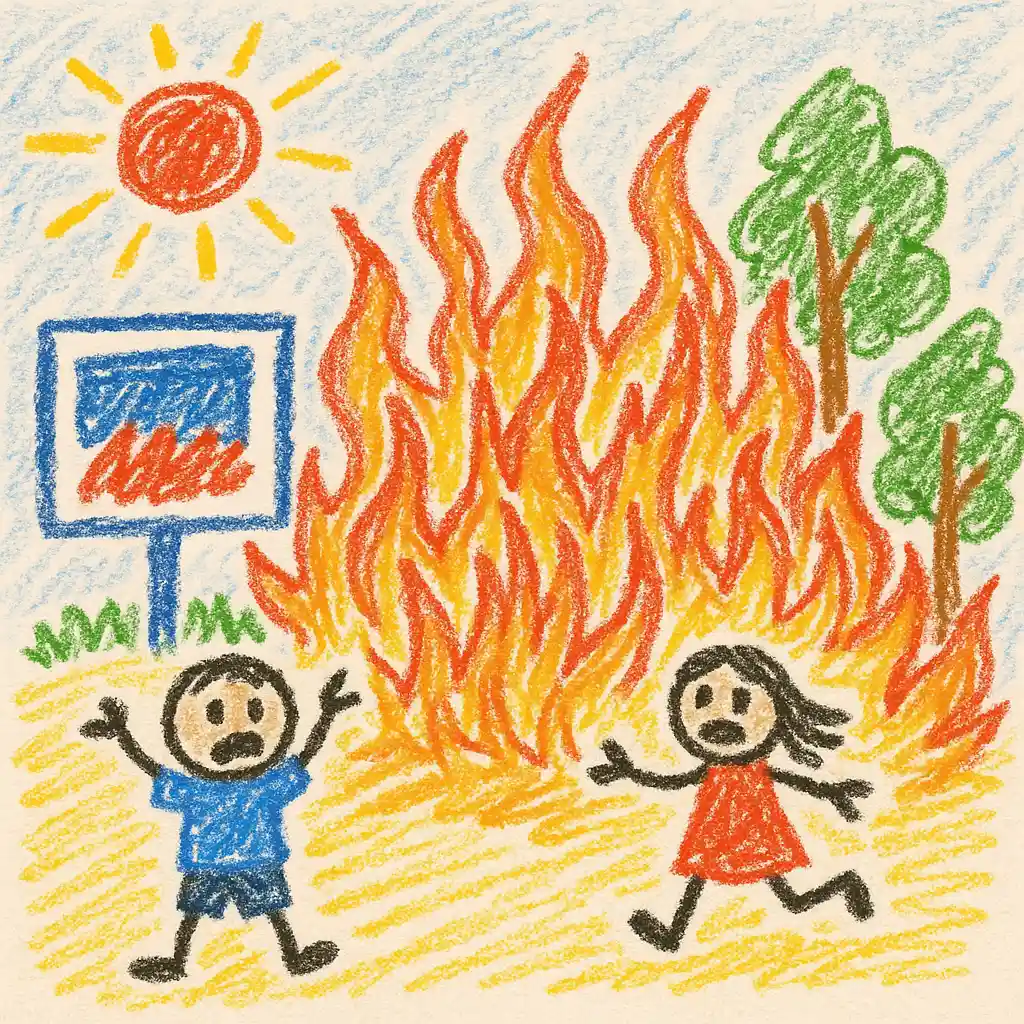
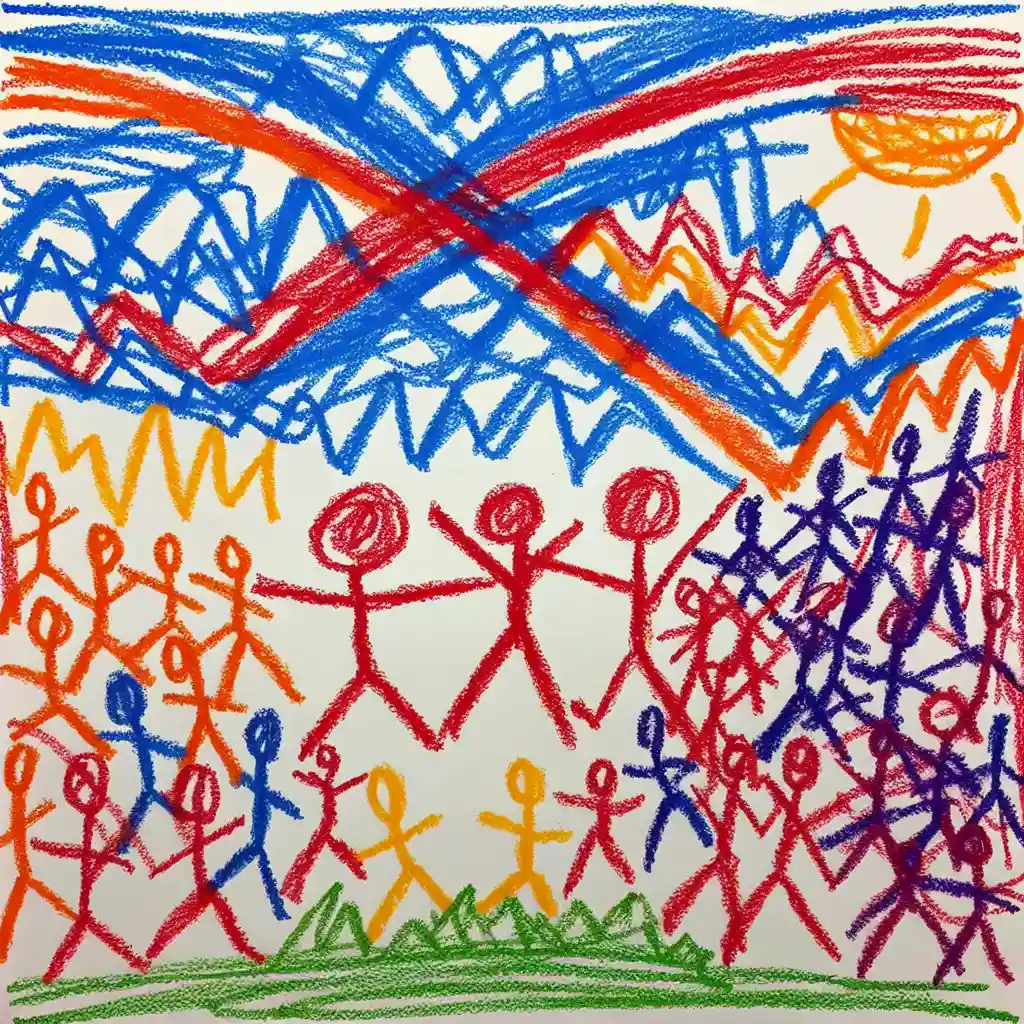
Imagine two neighbors who usually get along okay, but sometimes they argue over who left their toys in whose yard. One day, they start arguing so much that one neighbor throws a water balloon into the other's backyard. That’s kind of like what’s happening between two countries, Pakistan and Afghanistan. Recently, Pakistan was so upset after some fights that they threw a big water balloon (not a real one, but they did something really serious) at Afghanistan’s capital city, Kabul. Then Pakistan said, "Okay, now we are really, really not getting along," which is like saying they are in an "open war." It means they are officially having a big, serious argument.
Explain Like I'm 10
So, Pakistan and Afghanistan are two countries next to each other, kind of like neighbors. Sometimes, neighbors disagree and have arguments. Recently, these two countries have been having more and more disagreements. Just a few days ago, things got so heated that Pakistan actually attacked Kabul, the capital city of Afghanistan. This is a big deal because it’s not just a small argument anymore; it’s like declaring they are now in a "fighting match" or what adults call an "open war."
This situation didn't just pop out of nowhere. There have been some fights and uncomfortable moments between them leading up to this. By attacking Kabul and declaring open war, Pakistan is showing they are really serious and upset. This kind of action has big consequences. It means things like daily life in these areas can get really tough, people might get hurt, and it can make other nearby "neighbor" countries worried too.
Explain Like I'm 15
Pakistan and Afghanistan share a long border and a complex history full of tense moments and conflicts. The recent escalation, where Pakistan struck Kabul and declared an "open war" against Afghanistan, isn't just an isolated incident. It's the result of building tensions and hostilities that have been simmering for days, if not longer.
This kind of military action—striking another country's capital—is a significant escalation and marks a severe deterioration in relations between the two countries. Declaring an open war is a formal way of saying that they are now in a full-scale conflict, which is a big deal because it affects not just the military but also civilians’ lives, economic conditions, and the political landscape in both countries and potentially the region.
The broader implications are serious. Economically, both countries might face instability as resources could be diverted to fund military efforts. Politically, this could lead to changes in leadership or policies as governments respond to the crisis. Socially, there’s the human cost of conflict, including displacement of families and loss of life.
What happens next could depend on various factors including international responses, diplomatic efforts to de-escalate, and internal pressures within both countries. Experts are likely watching closely to see if there’s a way to mediate or if other nations might get involved to suggest solutions. The future of these events could shape the regional dynamics in South Asia significantly.
Want to read the original story?
View Original Source