Resident doctors cancel strike after new offer from government
Explain Like I'm 5
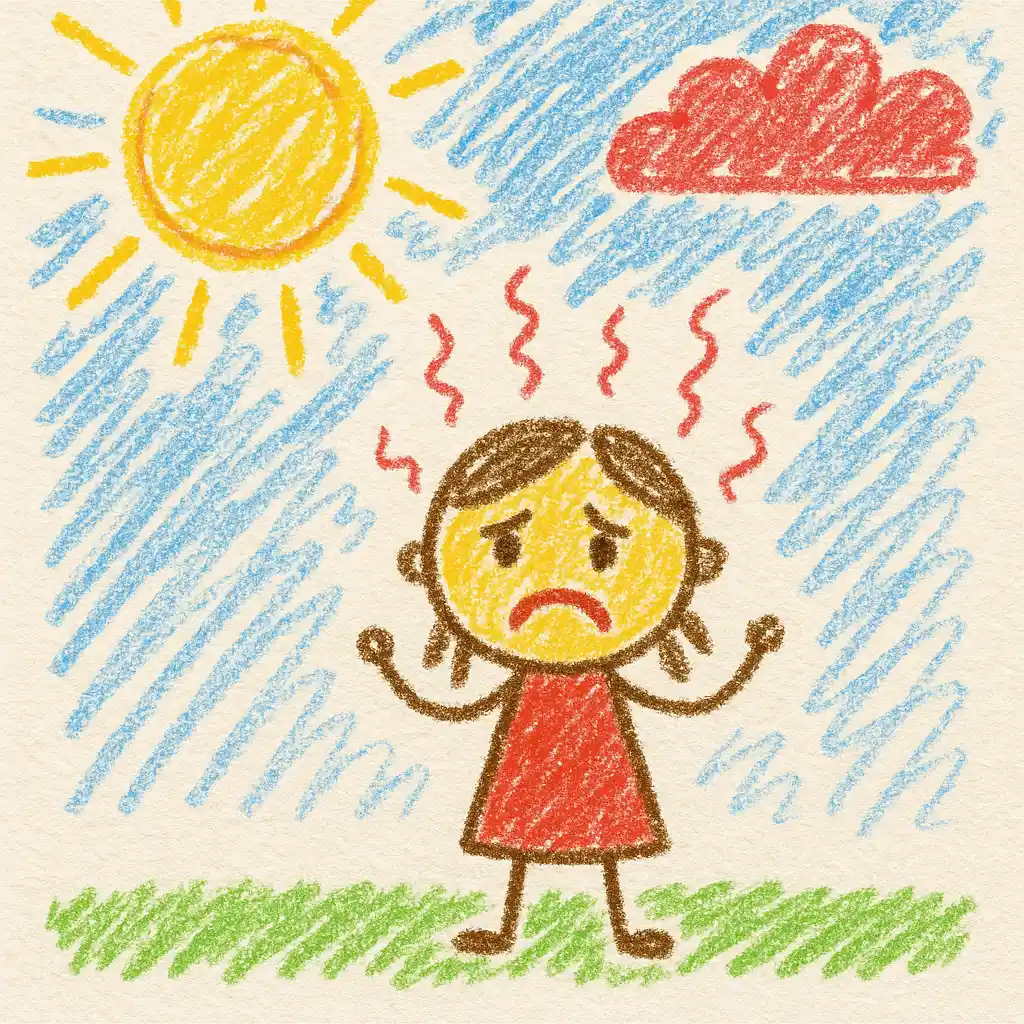
Imagine you have a box of crayons, but you think you need more colors to make a beautiful picture. You decide to sit quietly and not draw until someone listens to you. The teachers see you sitting there, not drawing, and decide to give you some new crayons so you'll start drawing again. In this story, the doctors are like you with the crayons. They were going to stop working because they wanted something more from the people in charge, like you wanted more crayons. But then, the government, kind of like the teachers, offered them something good, so they decided they would work after all and not stop. That way, everyone can keep making their pictures, or in the doctors' case, keep helping people stay healthy.
Explain Like I'm 10
Resident doctors, who are doctors still learning more about how to take care of patients, were planning to stop working for a few days. They wanted to do this, which is called a strike, to show that they needed better conditions or agreements from the people who manage the hospitals, which is part of the government's job. The strike was supposed to start early on a Monday and last until Friday, meaning they wouldn't go to the hospitals to work, which could have made it hard for patients to get the care they needed.
But before the strike could start, the government came up with a new offer for the doctors. They probably offered better conditions or changes that the doctors wanted. Because of this new offer, the doctors decided to cancel the strike. They agreed not to stop working and continued seeing patients, which is important for everyone who needs medical help.
Explain Like I'm 15
Resident doctors, who are essentially in advanced stages of their training to fully qualify as physicians, were set to initiate a strike from early Monday to Friday. This action was intended as a protest to demand better working conditions, likely involving issues like pay, work hours, and resources, which are critical in their demanding roles within healthcare settings.
The decision to strike, especially in a sector as vital as healthcare, is significant and usually comes after considerable negotiation failures. Such a strike could have led to disruptions in hospital services, affecting patient care across various levels. However, before the strike could commence, the government presented a new proposal to address the concerns raised by the doctors.
This new offer led the doctors to call off the planned strike, indicating that the government’s proposal was sufficiently convincing or met the key demands of the doctors. This resolution prevented what could have been a critical disruption in healthcare services. It also shows the power of negotiation and dialogue in resolving industrial disputes, especially in essential services like healthcare. The broader implications highlight the ongoing challenges in managing healthcare systems, which require balancing worker satisfaction with patient care and system efficiency.
Want to read the original story?
View Original Source