
Saks files for bankruptcy as luxury market struggles
Explain Like I'm 5
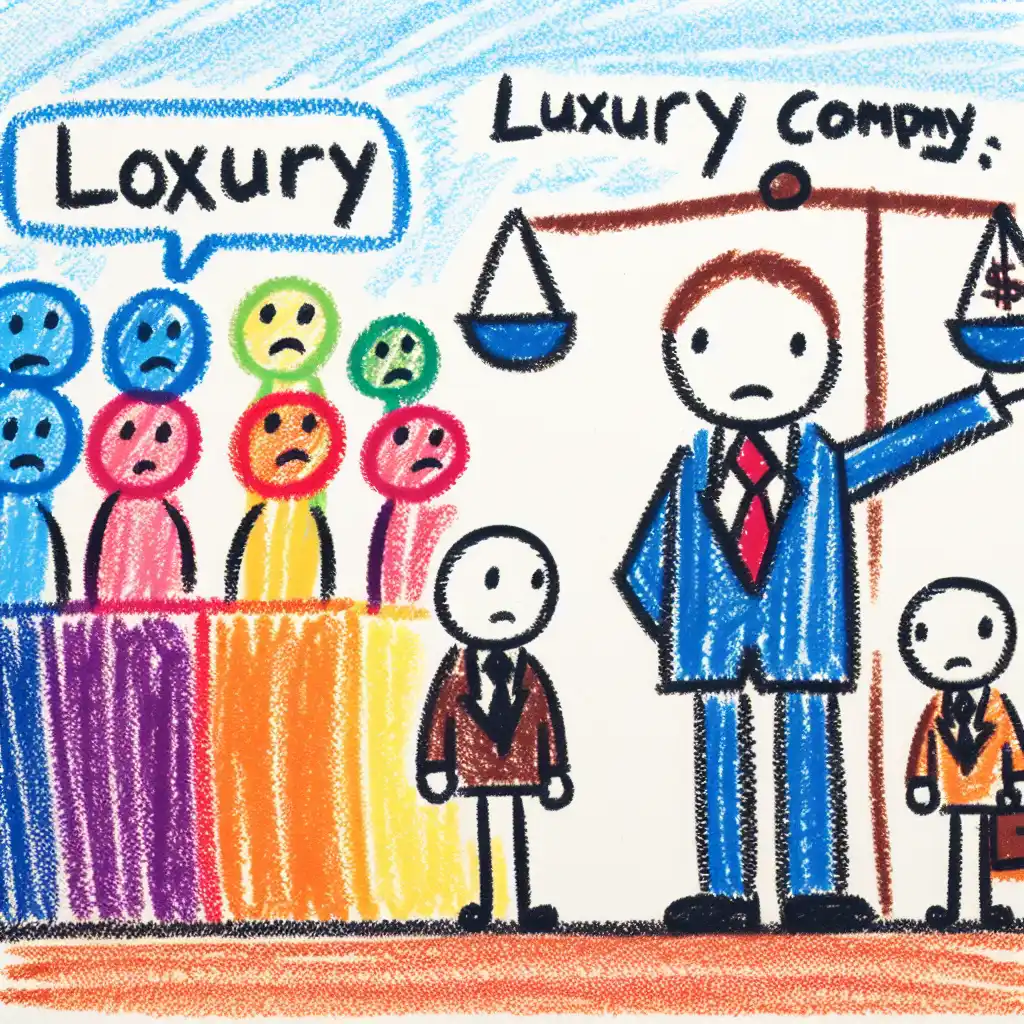
Imagine you have a big, beautiful toy store where you sell only the fanciest toys. But suddenly, many people don't want to buy these expensive toys because they're saving their money for other things. If you can't sell enough toys, you won't have enough money to keep your store open. That's kind of what happened to Saks Fifth Avenue, a store that sells really fancy and expensive clothes and stuff. They didn't have enough people buying their things, so they had to say, "We need help!" and that's what adults call "filing for bankruptcy." It's like saying, "Time out! I need to figure this out."
Explain Like I'm 10
Saks Fifth Avenue is a very famous store that sells super fancy things like designer clothes and luxury items. However, they've run into a big problem: not enough people are shopping there anymore. It's a bit like when a popular video game gets old, and fewer people want to play it. Because fewer people are buying stuff from Saks, the company doesn't have enough money to pay for all its expenses, like rent for the store spaces and paying employees. So, they've decided to file for bankruptcy, which is a legal way for a company to get help when it's running out of money. It's kind of like hitting the pause button on a game to figure out a new strategy to come back stronger.
Explain Like I'm 15
Saks Fifth Avenue, a renowned luxury retailer known for selling high-end products, has filed for bankruptcy. This situation didn't happen overnight. The luxury market itself has been facing challenges, particularly with changing consumer habits. More people are prioritizing experiences or more practical items over luxury goods, influenced by economic uncertainties and shifts in spending priorities among younger consumers.
Bankruptcy allows Saks to reorganize its finances while continuing to operate. This process helps them to negotiate with creditors and restructure debts to hopefully make the business profitable again. The implications here are significant, not just for Saks but for the entire luxury retail industry, indicating a potential shift in consumer values and economic dynamics.
This move by Saks could signal a broader trend in the retail sector, especially in luxury brands, to rethink how they engage with modern consumers who are increasingly looking for sustainability, experiences, and value for money, rather than just a brand name. The outcome of this bankruptcy could set a precedent for how other struggling retailers might handle similar challenges.
Want to read the original story?
View Original Source