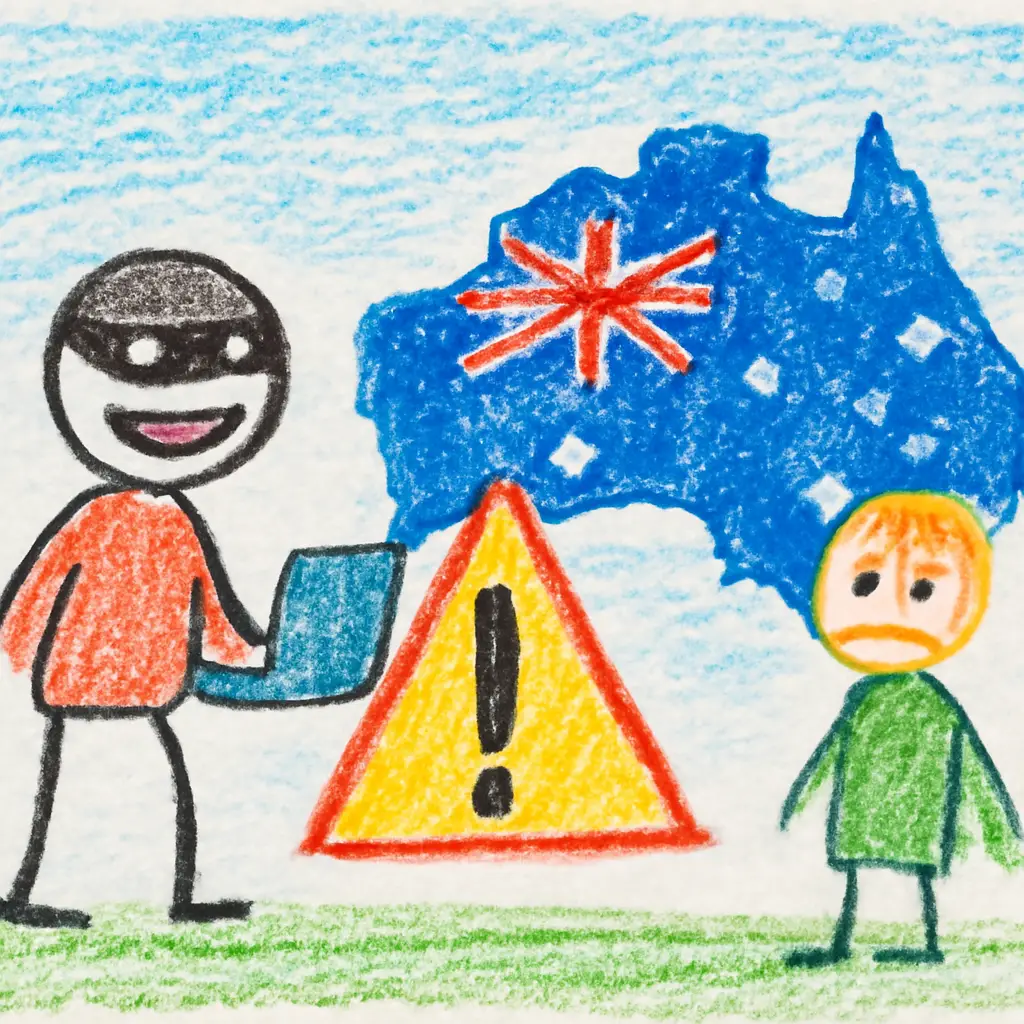
Security Flaws Across UK Government Sites Exposed ‘God-Tier’ Information
Explain Like I'm 5
Imagine you have a secret treasure box that you keep in your room. You think it’s safe because you hide it under your bed. But one day, you accidentally leave the box open, and your little sibling finds it! They could see all your secret toys and candy!
That's sort of what happened with some UK government websites. A person found out that there were some big holes in the security that let others peek at important information they shouldn’t be able to see. The big takeaway? Sometimes, hiding things isn’t enough if you don’t lock them up properly!
Explain Like I'm 10
So, there’s this researcher who was poking around on different UK government websites. Think of it like someone checking out the playground to see if there are any broken swings or loose slides. What they discovered was a bunch of security problems that could let people see private information meant to be kept secret.
The researchers found that not just one, but multiple departments in the UK government had these flaws. It’s a bit like finding out that several kids in the playground left their lunchboxes wide open, making it super easy for someone to snatch a sandwich. This is happening now because more people are using the internet, and we need to make sure everything is safe. If these flaws aren’t fixed, it could lead to some serious problems!
Explain Like I'm 15
In a recent investigation, a researcher uncovered significant security vulnerabilities across several UK government websites, which allowed access to what they called "God-tier" information. This term reflects the incredibly sensitive data that should have been tightly secured but was exposed due to poor coding practices and oversight.
The main players involved here are the various departments of the UK government, which, like many organizations, rely heavily on technology to store and manage data. This situation is particularly concerning because the flaws could potentially allow malicious actors to access sensitive personal information, which could lead to identity theft or other forms of cybercrime.
Historically, this issue isn’t new; governments worldwide have faced similar problems due to the rapid advancement of technology and the need for constant updates in security protocols. The recent surge in cyber threats means that now, more than ever, the stakes are high. If this situation isn’t addressed, it could undermine public trust in government institutions and raise questions about how they protect citizens' data.
Experts are urging immediate action to patch these vulnerabilities and improve security measures. They suggest that governments need to adopt more robust cybersecurity practices, including regular audits and updates of their systems. The next steps? We might see governments ramping up their security investments and policies to prevent such embarrassing and potentially harmful lapses in the future.
Want to read the original story?
View Original Source