Sixteen pupils killed in Kenya school fire, local police say
Explain Like I'm 5
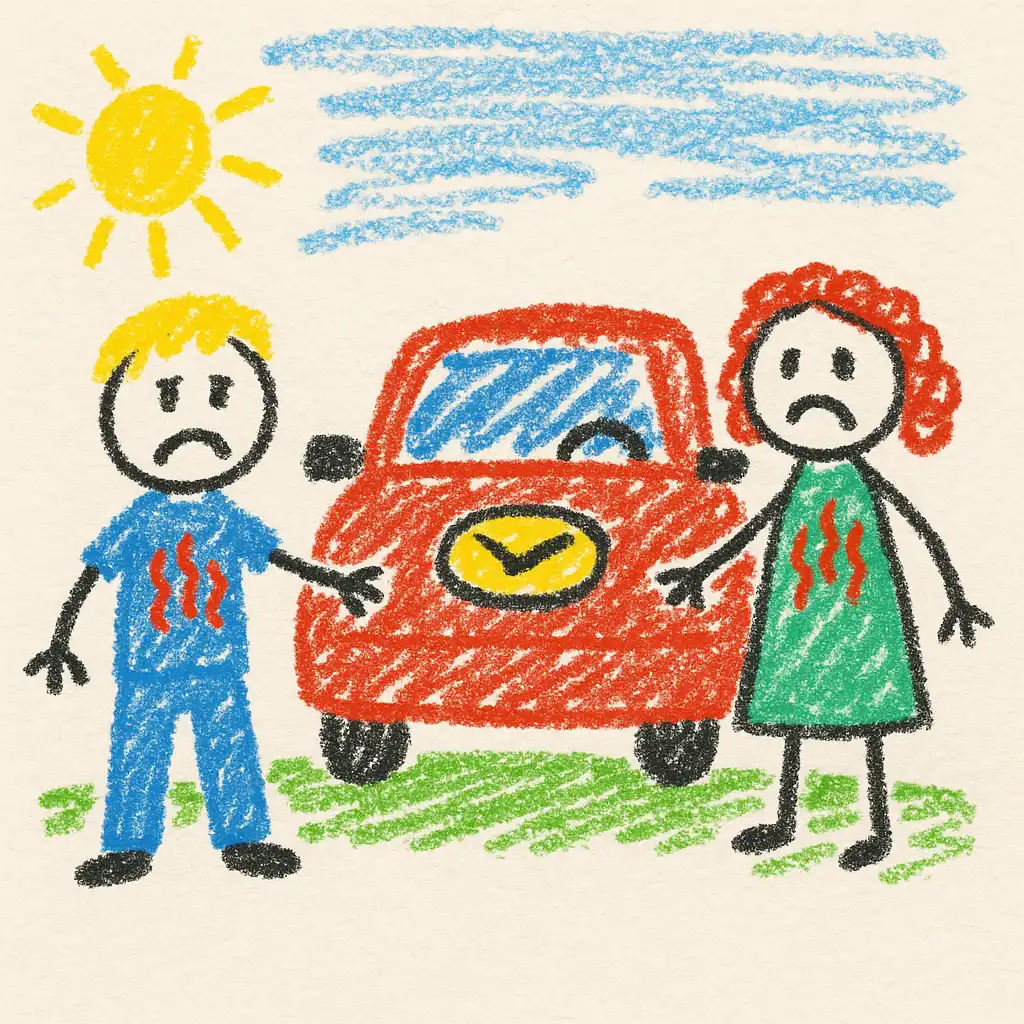
Imagine you have a box of crayons, and some of them get broken. It's really sad because those were your favorite colors, and now you can't use them anymore. In Kenya, there was a very big and scary fire at a school, and sixteen students couldn't get out and were hurt so badly they couldn't be helped. This is very sad for their families and friends, just like you would feel sad about your broken crayons, but much, much bigger. People are now trying to find out how the fire started and make sure it doesn’t happen again.
Explain Like I'm 10
Imagine being in school where you learn and play, but one day something very bad happens. In Kenya, a school caught on fire, and sadly, sixteen students died because they couldn't escape. Fires can be very dangerous and spread quickly, making it hard to get out in time. Right now, people called firefighters and police are trying to figure out how the fire started. They want to know this so they can try to prevent it from happening again. Everyone is very sad and worried, and they are working to help the families of the students who were hurt.
Explain Like I'm 15
In a tragic event in Kenya, a fire broke out at a school, leading to the death of sixteen pupils. Fires in schools are particularly devastating because they not only cause loss of life but also a significant emotional and psychological impact on the community. Authorities are currently investigating to determine the cause of the fire—whether it was an accident or something preventable. The outcome of this investigation could lead to changes in safety protocols to ensure something like this doesn’t happen again.
Understanding why and how the fire started is crucial for preventing future incidents. It also raises broader questions about the safety standards in schools and what can be done to improve them, ensuring a safe learning environment for all students. The community and the country are mourning, and this incident will likely prompt discussions on national safety standards and emergency preparedness in educational institutions.
Want to read the original story?
View Original Source