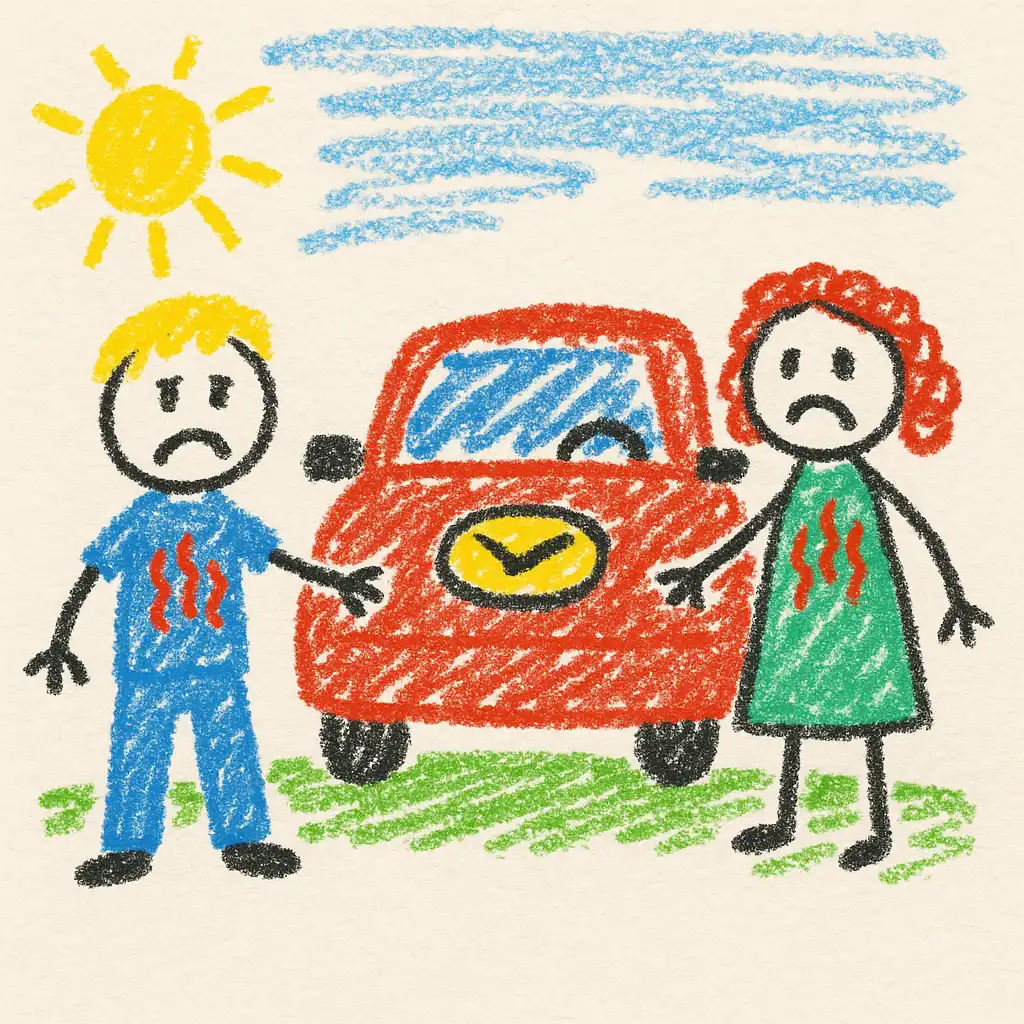
Smacking leads to worse exam results, research finds
Explain Like I'm 5
Imagine if every time you made a little mistake, someone gave you a timeout. You might get really sad or scared, and it could make it harder for you to do your best at playing games or drawing your favorite pictures. Well, some grown-ups found out that when kids get smacked for making mistakes, it can make them feel upset in a similar way. Because they're feeling upset or scared, they might not do as well in school, especially on big tests. It's like trying to solve a puzzle while someone keeps poking you; it just makes everything more difficult!
Explain Like I'm 10
When parents smack their kids, they might think it helps them learn to behave better. But researchers have found out something really important: smacking doesn't help at all. In fact, it can make things worse. Kids who get smacked are more likely to have problems with how they behave, and this can make school harder for them. It's kind of like when you're trying to concentrate on homework, but your little brother keeps distracting you. If you're upset or scared because you've been smacked, focusing on your schoolwork gets a lot tougher, and this might mean you don't do as well on tests or exams. Researchers are figuring out that the way kids feel inside really matters for how well they do in school.
Explain Like I'm 15
So, researchers have been studying how smacking affects kids, and the latest findings are quite telling. They've discovered that smacking can lead to behavioral problems and poorer academic performance. Essentially, smacking might cause kids to feel anxious or less confident, which directly impacts their ability to perform well in school.
This doesn't just affect their grades right now; it can have long-term effects on their education and future opportunities. It's similar to how stress affects us all; if you're constantly feeling pressured or scared, it's much harder to focus and do well in any area of life, including school. These findings are part of a broader debate on how parenting practices influence child development and academic outcomes. Researchers are suggesting that more nurturing and supportive methods of discipline could lead to better educational achievements and healthier emotional development in kids. This could mean rethinking how discipline is approached in many families and schools to help kids reach their full potential without fear or anxiety holding them back.
Want to read the original story?
View Original Source