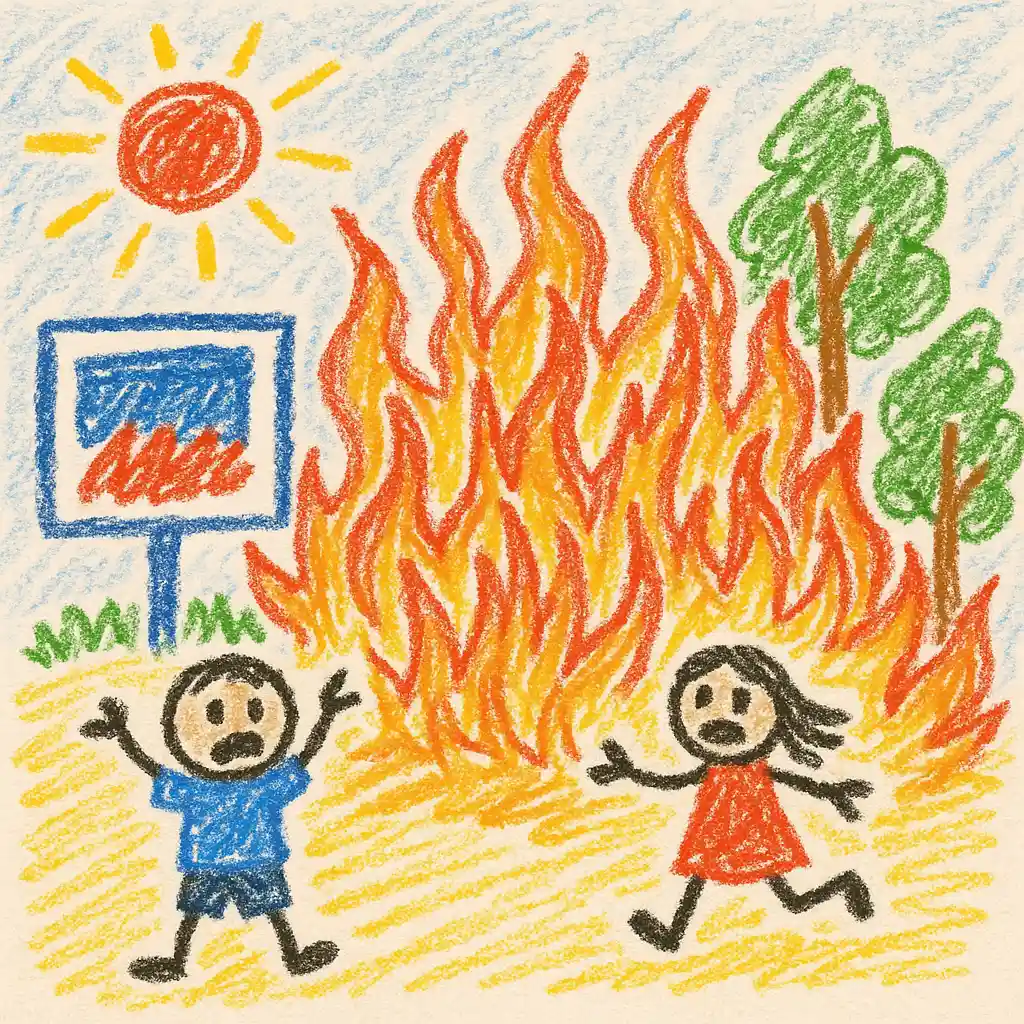
South Africans say criminal gangs are exploiting the water crisis
Explain Like I'm 5
Imagine you have a favorite toy that everyone wants to play with, but suddenly, it breaks, and there's only one left in the whole playground. Now, some bigger kids start saying they'll decide who gets to play with the toy and even ask for some of your lunch money to let you play with it. That's kind of what's happening in South Africa with water. Water is super important, just like your favorite toy, but some places don't have enough of it right now. Because it's so needed, some mean groups are taking control of the little water that's there and making it tough for everyone else to get it unless they give something in return.
Explain Like I'm 10
In South Africa, there are some areas where people haven't had water coming from their taps for several weeks. Imagine turning on your faucet at home and nothing comes out, day after day. Now, because water is essential for everything from drinking to cooking to bathing, it's a big problem when there isn't enough of it. Some bad groups, kind of like bullies, are taking advantage of this situation. These groups are controlling the access to water and are making people pay them or give them something valuable in return for water. It's really unfair because water should be something everyone has access to, without having to give up their things or money.
Explain Like I'm 15
In some regions of South Africa, a severe water crisis has led to taps running dry for weeks. This shortage affects daily life profoundly, limiting basic activities like drinking, cooking, and personal hygiene. In the absence of a reliable water supply from the government, criminal gangs have stepped in to fill the void. These gangs are now controlling the water supply in certain areas and exploiting the desperation of the locals by charging exorbitant prices or demanding favors in exchange for water. This not only highlights the immediate logistical challenges of distributing water but also underscores deeper issues of governance and public service failures.
The situation is a stark reminder of how essential services, when inadequately provided, can create opportunities for crime and exploitation. The water crisis and its exploitation have broader implications, potentially affecting public health, stoking social grievances, and even impacting economic stability in the region. Looking ahead, it's crucial for authorities to restore reliable water services and address the vulnerabilities in their infrastructure to prevent such situations. Moreover, tackling the influence of these criminal groups is equally important to ensure that residents can access essential resources without fear or exploitation.
Want to read the original story?
View Original Source