
Southern Poverty Law Center indicted on federal fraud charges
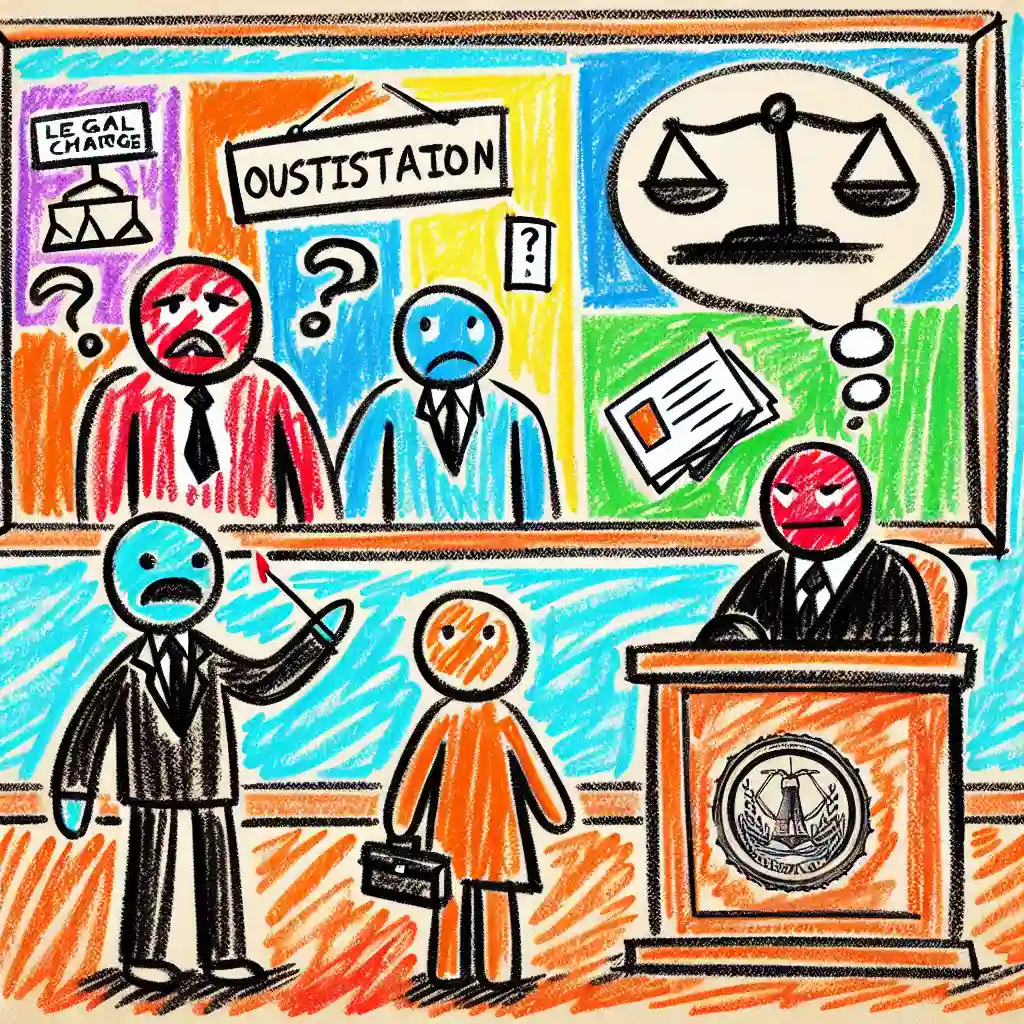
Explain Like I'm 5
Imagine you have a piggy bank where you save up money to buy toys. But instead of buying toys, you start buying snacks without telling your parents. The Southern Poverty Law Center (SPLC) is like a big organization that also has a big piggy bank. They get money from people who want to help stop bad guys who say and do mean things to others. But the government says the SPLC used some of that money to pay people to secretly join bad guy groups like the Ku Klux Klan, which they weren’t supposed to do. Now, they are in trouble for not using the money the way they said they would.
Explain Like I'm 10
The Southern Poverty Law Center (SPLC) is a group that fights against hate and tries to help people who are treated unfairly. They collect money from people who support their cause. Recently, they’ve gotten into big trouble because the U.S. Justice Department, which is like the principal for all the country’s laws, says the SPLC did something wrong. They are accused of using the money they got to pay people to pretend to join groups like the Ku Klux Klan, which is a very mean and hateful group. The SPLC did this to learn what these groups were planning and to stop bad things from happening. However, the way they used the money might have broken some rules about honesty and transparency. Now, they are facing what we call federal fraud charges, which is a serious accusation saying they lied or tricked people about what they were doing with their money.
Explain Like I'm 15
The Southern Poverty Law Center (SPLC), known for its legal battles against hate groups and racism, is currently facing federal fraud charges. The issue at hand involves allegations from the Justice Department that the SPLC used millions of dollars raised from donors inappropriately by paying informants to infiltrate hate groups like the Ku Klux Klan. The intent behind this might seem justifiable—understanding and dismantling extremist threats—but the method they used raises legal and ethical questions.
This case brings up several challenging topics. On one hand, infiltrating dangerous groups can provide essential intelligence that could prevent hate crimes. But on the other hand, using donated money in ways that weren’t clearly stated to donors can undermine trust. It’s a complex situation where the lines between right and wrong are blurry, and now the legal system has to decide if the SPLC crossed a line that should not be crossed.
The broader implications here are significant. This case could affect how nonprofits operate, especially those involved in sensitive or controversial areas. It could lead to stricter regulations on how these organizations must handle their funds and disclose their activities to supporters. The outcome could either reinforce the importance of operational transparency or it could discourage aggressive tactics against hate groups, depending on the perspective. As this case unfolds, it will likely become a landmark for how justice and nonprofit activism intersect in the legal realm.
Want to read the original story?
View Original Source