Suicide bombing at Islamabad mosque kills 31 people
Explain Like I'm 5
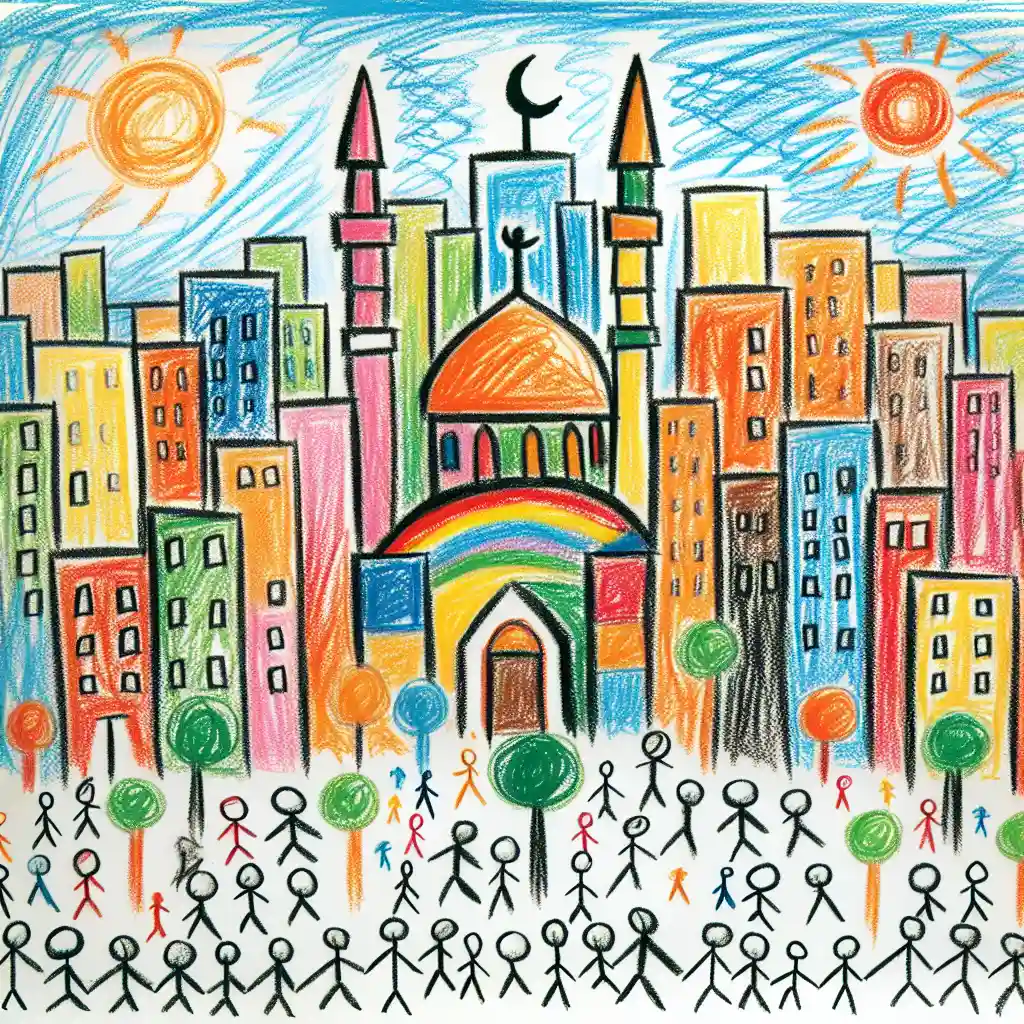
Imagine if someone decided to bring a big, dangerous firework into a peaceful place where people go to feel safe and happy, like a birthday party. Instead of lighting up the sky with beautiful colors, this firework hurts a lot of people. This is similar to what happened in a mosque in Islamabad, the capital city of Pakistan. A person brought a very harmful bomb to the mosque and set it off, hurting many people who were there to pray and find peace. It's a very sad thing because places like mosques are supposed to be safe and calm.
Explain Like I'm 10
In Islamabad, which is the capital city of Pakistan, a very sad and scary event happened at a mosque, where people go to pray and find peace. A person who wanted to cause harm used a suicide bomb, which is an explosive carried and set off by the person wearing it. This attack happened during a time when many people were gathered in the mosque, which made it even more tragic. At least 31 people lost their lives because of this. Attacks like this are shocking and heartbreaking, especially because they target places that are meant to be safe havens for communities. Everyone is trying to figure out why this happened and how to stop such things from happening again.
Explain Like I'm 15
In Pakistan's capital, Islamabad, a devastating event took place at a mosque, a place where people of the Islamic faith come together to pray and seek spiritual peace. A suicide bomber entered the mosque and detonated an explosive, resulting in the death of at least 31 individuals. This tragic incident not only caused immediate loss of life and injury but also sent waves of fear and sorrow through the community and beyond.
Such attacks are not just criminal acts; they are also deeply political and often aim to send messages of fear or protest. The mosque, traditionally a sanctuary, becomes a site of violence, affecting the community's sense of security and unity. The reasons behind such attacks can vary, including political motives, religious extremism, or social grievances.
In the broader context, Pakistan has faced challenges with terrorism for decades, with various groups using violence to express their demands or ideologies. The government and international bodies often have to navigate complex social and political landscapes to address the roots of such extremism and implement security measures to prevent future attacks. The response to this tragedy will likely include a mix of heightened security, public mourning, and a search for justice through investigations and potentially increased counter-terrorism efforts.
Want to read the original story?
View Original Source