Supreme Court reinstates Republican-favored Alabama congressional districts
Explain Like I'm 5
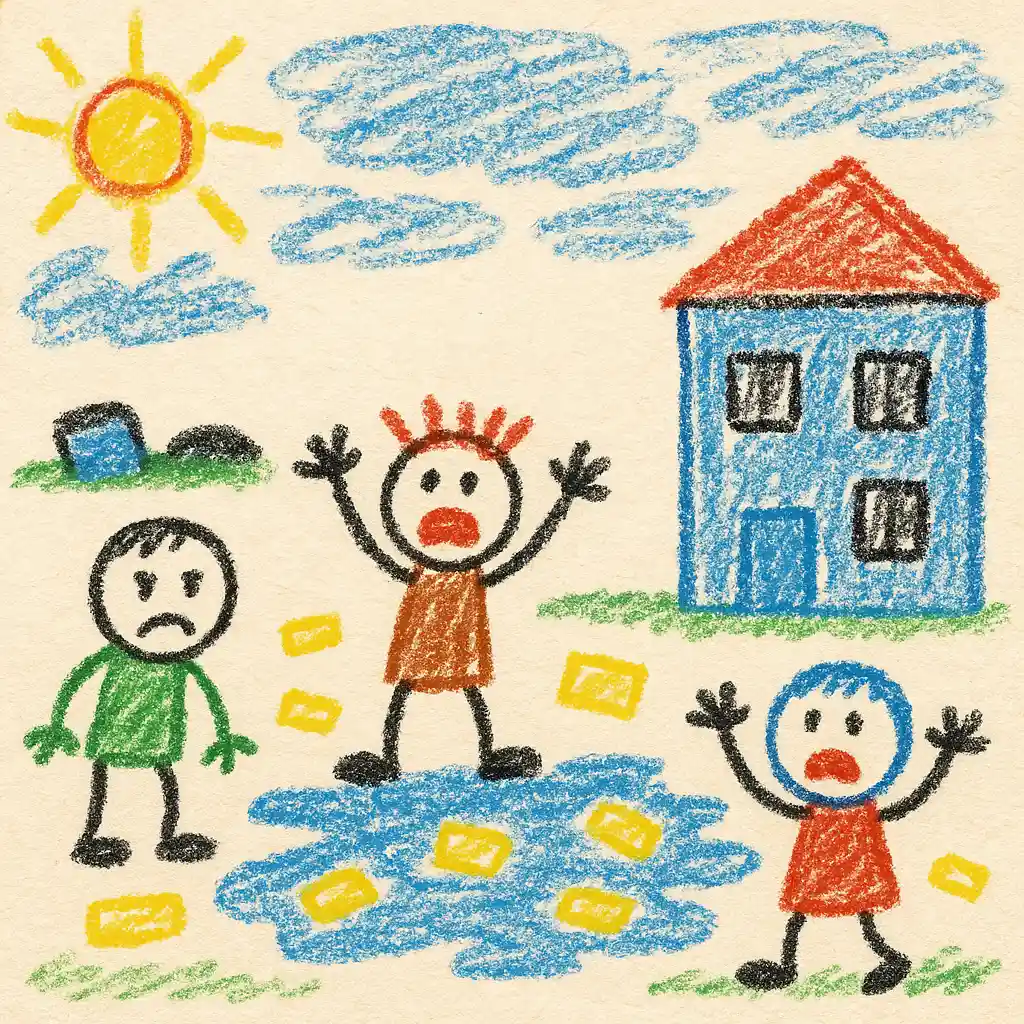
Imagine you have a big chocolate bar, and you need to share it with your friends. Now, the way you break it can make sure almost everyone gets a small piece, but one friend gets a super big one. This is kind of like what happened in Alabama. The state was divided into areas called districts, where people vote. The Supreme Court said it's okay to keep these areas in a way that most of them favor one group, the Republicans, giving them a bigger chance to win in most areas, while another group, the Democrats, have a big chance in just one area. It's like making sure that one group gets more of the chocolate bar than the others!
Explain Like I'm 10
In Alabama, the state is divided into different areas called congressional districts. Each district chooses one person to go to the U.S. Congress and make big decisions about the country's rules. Recently, the Supreme Court made a decision about how these districts are drawn. They decided to keep a map that makes it so six of these districts will probably vote for the Republican party, and only one will likely vote for the Democratic party. This is important because it can change who has more power in Congress, which affects all kinds of laws and decisions that impact our lives. Some people think this map is unfair because it gives one group a better chance to win in more areas. But the Supreme Court said it's allowed, so that's what will be used in the next election.
Explain Like I'm 15
Let's dive a bit deeper into the situation in Alabama. The state is divided into what we call congressional districts, and each district elects a representative to the U.S. Congress. The way these districts are drawn can significantly influence political power. In a recent decision, the Supreme Court reinstated a district map that favors the Republican party in six out of seven districts. This decision is critical because it shapes the political landscape, potentially skewing representation and affecting national legislation.
Historically, the drawing of districts (known as redistricting) has been contentious, with accusations of gerrymandering, where lines are drawn to give an unfair advantage to one party. This case in Alabama is a prime example, where critics argue that the map dilutes the voting power of certain groups, particularly minorities, who tend to vote Democratic. The Supreme Court's decision to uphold this map means that in the 2026 midterm elections, Republicans are likely to maintain a significant advantage in Alabama.
This decision not only impacts voters in Alabama but also reflects broader national tensions around redistricting, voting rights, and racial equity. As such, it could have ripple effects, influencing how other states approach redistricting and how courts review these cases. The debate over fair representation continues, and this ruling will be a significant part of that ongoing conversation.
Want to read the original story?
View Original Source