
The 2025 stories that prove people still run toward danger
Explain Like I'm 5
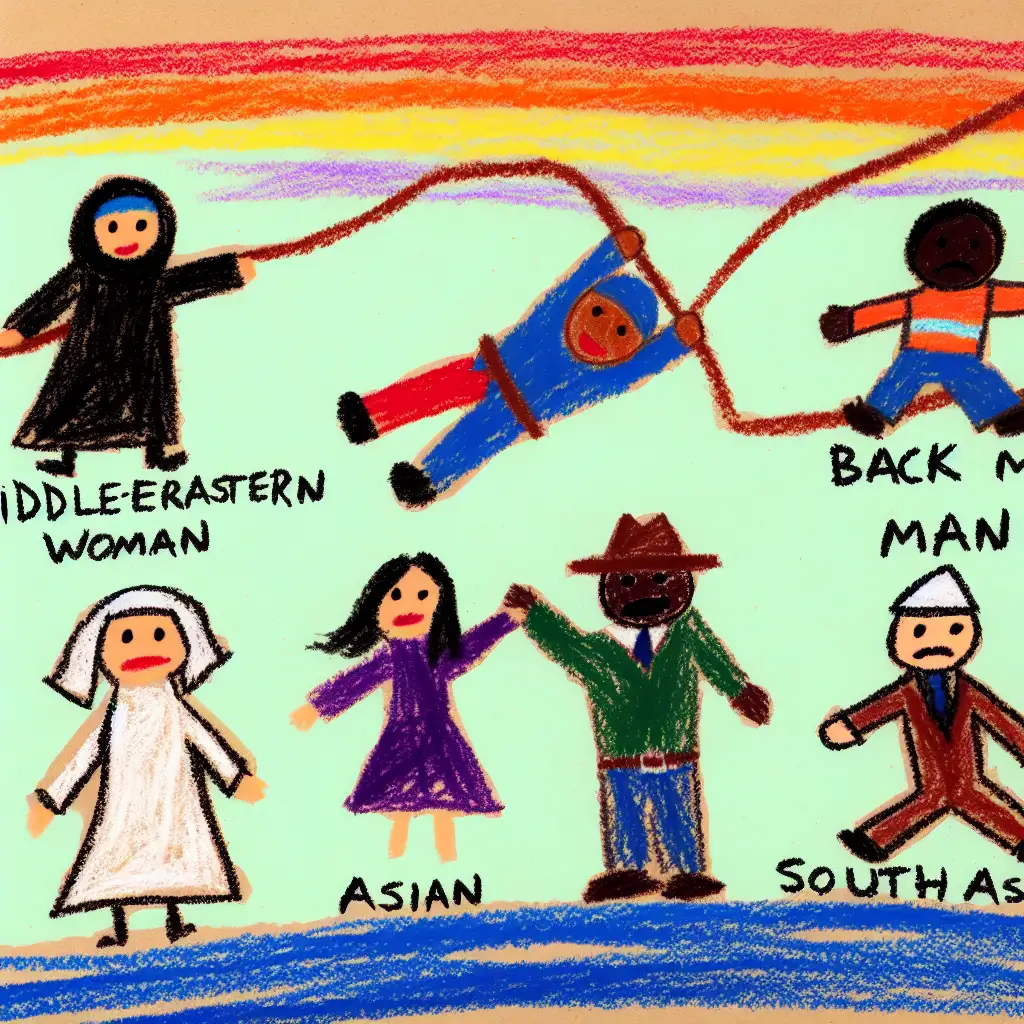
Imagine you're at the playground, and you see a friend fall off the slide and start crying. What do you do? You probably run over to help them, right? Well, there are stories from the year 2025 that show some grown-ups do just that, but in much bigger, scarier situations. These grown-ups run towards danger to help others, just like you would run to help your friend. It’s like they have a superhero inside them that tells them to help people who are in trouble, even if it means they might get a boo-boo too.
Explain Like I'm 10
You know how in movies, there are heroes who rush to save the day when something bad happens? Well, in real life, there are people like that too! In 2025, there were many stories about such heroes. These people saw dangerous situations and instead of running away, they ran towards them to help others. For instance, think about a lifeguard at the beach who dives into rough waves to rescue someone. It’s risky, but they do it because they want to make sure others are safe. These stories help us remember that there are always people who want to help others, no matter how hard or scary it might be. It’s really about being brave and caring a lot about other people, not just yourself.
Explain Like I'm 15
In 2025, amidst various global challenges, there emerged numerous accounts of individuals who exhibited remarkable bravery and altruism. These individuals, often ordinary people, were propelled by a profound sense of duty and compassion to intervene in perilous situations to assist others. This concept isn't new; it's rooted in our history—think of soldiers in war, firefighters, or even civilians stepping in during emergencies. These stories resonate because they reveal a persistent streak of heroism that transcends cultures and eras.
The broader implication here is about the nature of altruism and self-sacrifice. Economically, such acts often don't have immediate rewards and can sometimes lead to personal loss or harm. Socially and politically, however, they can strengthen community bonds and inspire others towards greater civic responsibility. Looking forward, the recounting of such acts in media and discussions might influence policy, especially in areas like emergency response and social welfare, emphasizing the value of training and supporting so-called "everyday heroes."
Experts believe that these narratives are essential not just for their inspirational value but also for understanding the psychological and sociological elements that drive humans towards altruistic acts. This understanding could lead to fostering a society where selflessness is nurtured and celebrated, potentially leading to a more cohesive and empathetic world.
Want to read the original story?
View Original Source