The culture war is consuming the Supreme Court
Explain Like I'm 5
Imagine the Supreme Court is like a group of grown-ups who have to decide on super important rules for everyone in a giant playground (the country!). Usually, they think really hard and try to be fair to everyone. But lately, they've been getting a lot of tough questions about what games are okay to play, who can play them, and what the rules should be. These aren't just any games; they're big, important games like who can get married, who can carry toy guns, and more. And now, everyone in the playground is talking about it, making it really noisy and hard for the grown-ups to think. This is what we mean when we say the "culture war is consuming the Supreme Court" — it's like the playground is getting super loud and a bit chaotic!
Explain Like I'm 10
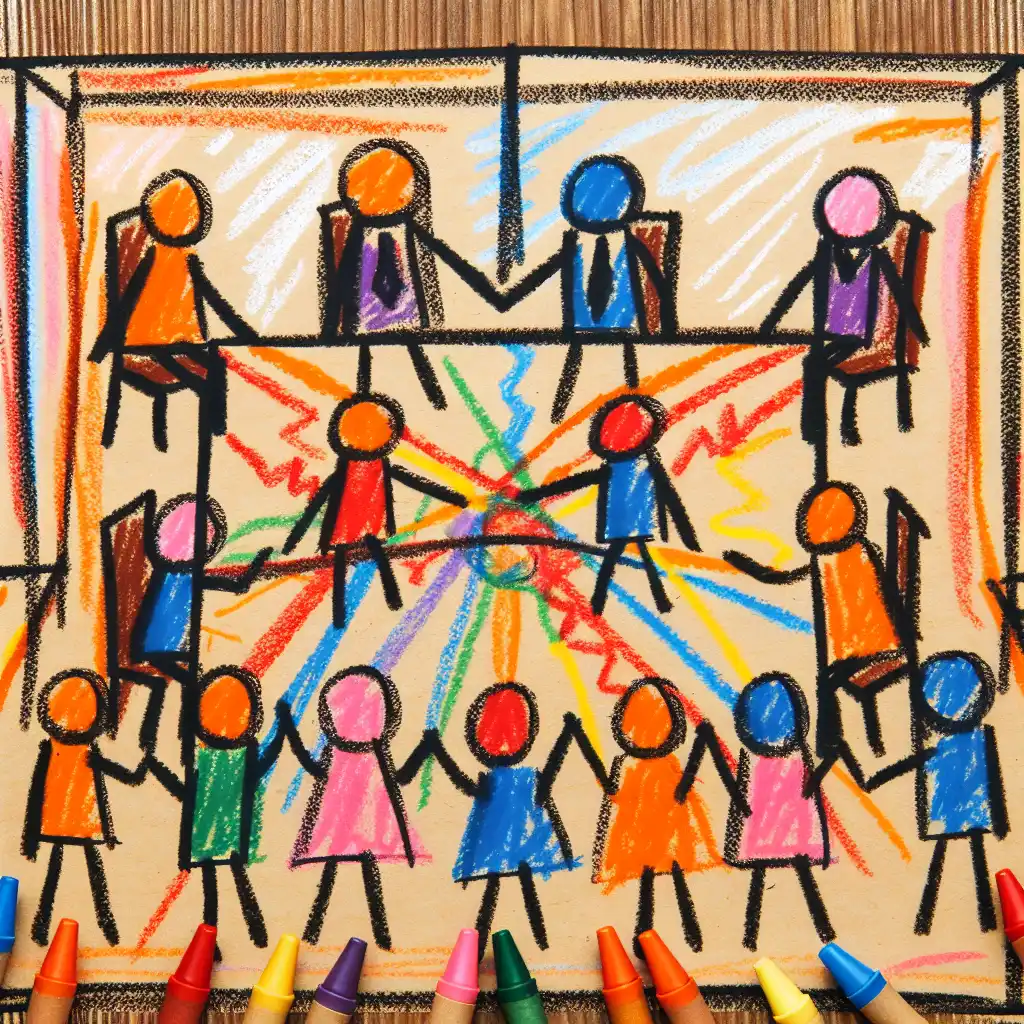
The Supreme Court is like the principal's office for the whole country. They make decisions about big, important rules that affect everyone. Normally, they deal with all sorts of issues, but these days, they're handling a lot of cases about stuff that people have very strong opinions on—things like who can get married, whether people can carry guns, and what rights women have about their bodies. These topics are part of what adults call "culture wars," which are big, ongoing arguments in society about what values and rules we should have.
Because these issues are so heated and personal, they get a lot of attention and create strong feelings. This means the Supreme Court's decisions are more noticeable and controversial than usual. It's kind of like when a rule change at school leads to a lot of hallway talk and maybe even a protest. As a result, the Supreme Court is finding itself right in the middle of these big debates, more than ever before, affecting their image as just rule-deciders to being seen as key players in how America's future will look.
Explain Like I'm 15
The Supreme Court, historically seen as a technocratic, somewhat detached body, is increasingly being pulled into the center of intense societal debates. Over the last several decades, while the Court has always had a role in shaping policy through landmark decisions (think Brown v. Board of Education or Roe v. Wade), its recent docket includes a proliferation of cases deeply entrenched in what's termed the "culture wars." These include hot-button issues like gun rights, religious freedoms, LGBTQ rights, and abortion laws.
These culture wars reflect deep divisions in American society about fundamental values and the direction the country should take. As the Supreme Court takes on more of these cases, its decisions are not just legal rulings but also statements on societal values, which can polarize public opinion even further. This shift has significant implications: it affects how the public perceives the Court's impartiality and its role within the democratic framework.
Moreover, the outcomes of these cases have broad ramifications, influencing not only immediate legal practices but also political campaigns, legislation, and the overall social climate. The Court's increased involvement in these divisive issues places it at a contentious point between traditional legal reasoning and the turbulent realm of political activism. As we look to the future, the trajectory of the Supreme Court will be a key indicator of how American values and laws will evolve in response to these ongoing cultural conflicts.
Want to read the original story?
View Original Source