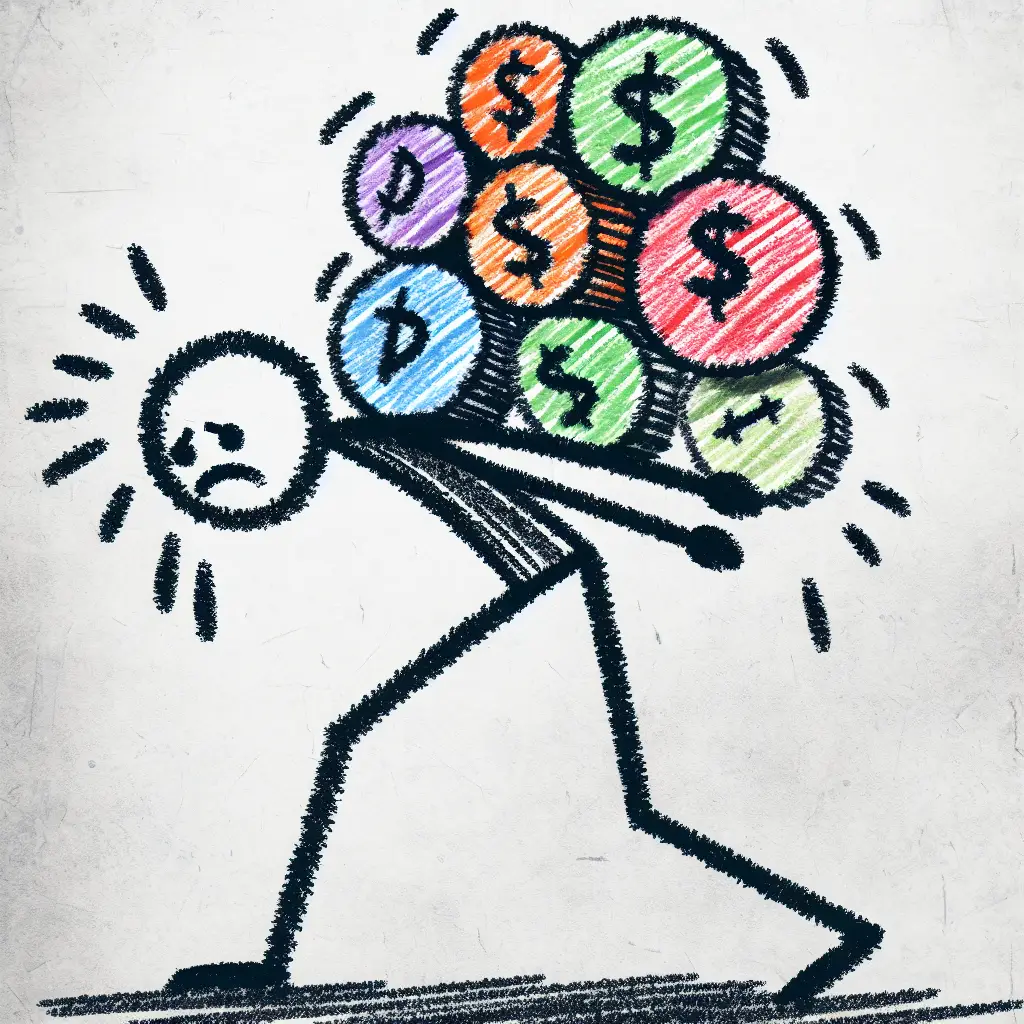
'The debts weren't going away, it was overwhelming'
Explain Like I'm 5
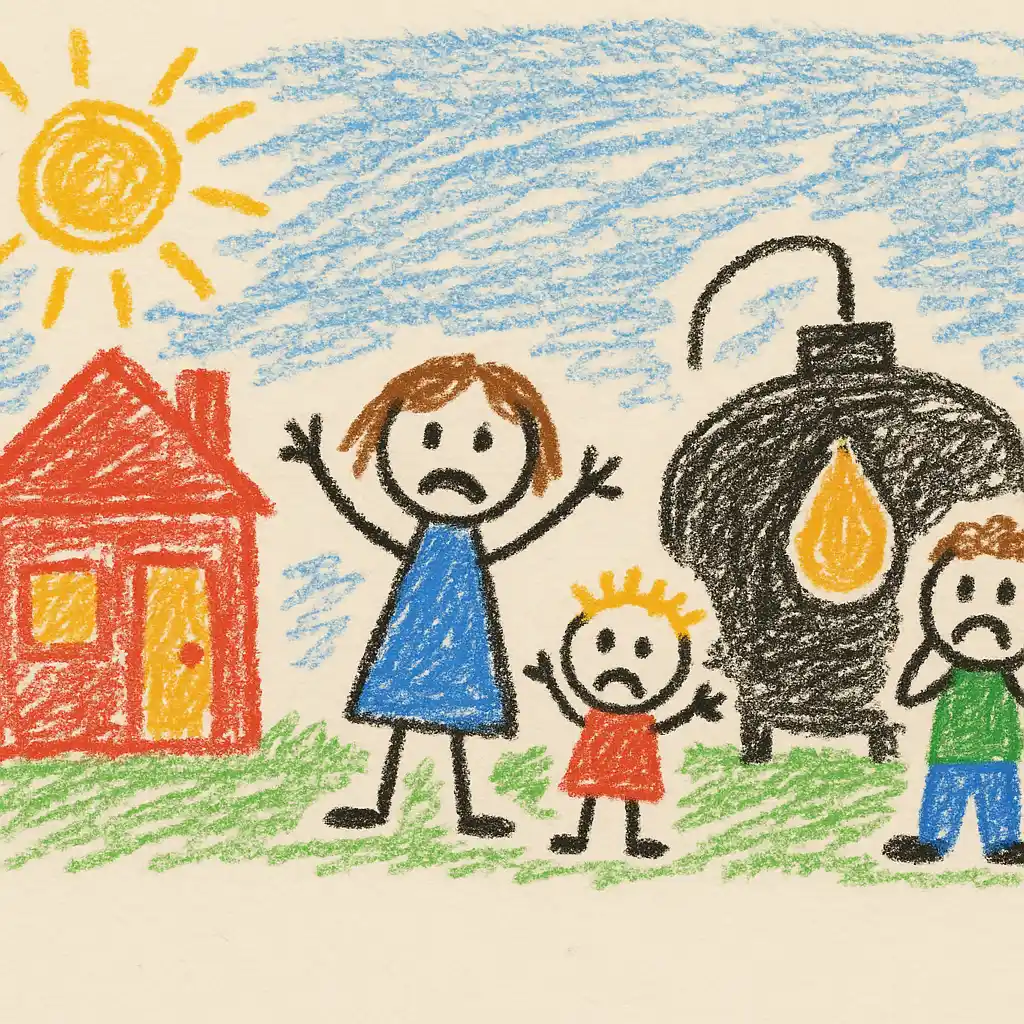
Imagine you have a piggy bank where you keep all your coins. But every time you put a coin in, someone comes and takes a few out because you owe them for the cookies and toys you’ve been getting. Soon, you find you don’t have enough coins left for more cookies, and you still owe for the toys! That’s a bit like what happened to Sarah Daniels. She had to keep paying for things she needed, like food and a warm house, but the money kept going out faster than it came in. She ended up owing more and more money, and it felt like a game where the rules made it impossible to win.
Explain Like I'm 10
Sarah Daniels found herself in a tough spot because she had to pay a lot of money for necessary things like heating, electricity, and food. Imagine every month you get your allowance, but it's not enough to cover everything you need from the store, and you start using your savings or borrow from your friend. But the next month, you face the same problem, and you owe even more. That’s what was happening to Sarah. A charity noticed that this is happening to more people, not just Sarah. They are seeing that many people are struggling to pay for their basic needs and end up in debt, which means they owe a lot of money that they find hard to pay back.
Explain Like I'm 15
Sarah Daniels, like many others recently, found herself overwhelmed by debt. This wasn't because she was spending lavishly but because the cost of essential things like utilities and groceries kept climbing. This is a bit like being on a treadmill that keeps getting faster; no matter how hard you try, you can barely keep up.
This problem is part of a bigger trend that a charity has highlighted, showing that more people are getting into debt because of rising costs and not enough income growth. Essentially, people’s paychecks aren’t keeping up with how much more expensive life is becoming. This kind of economic strain isn’t just about numbers; it affects people’s mental health and overall well-being, making them feel trapped and stressed.
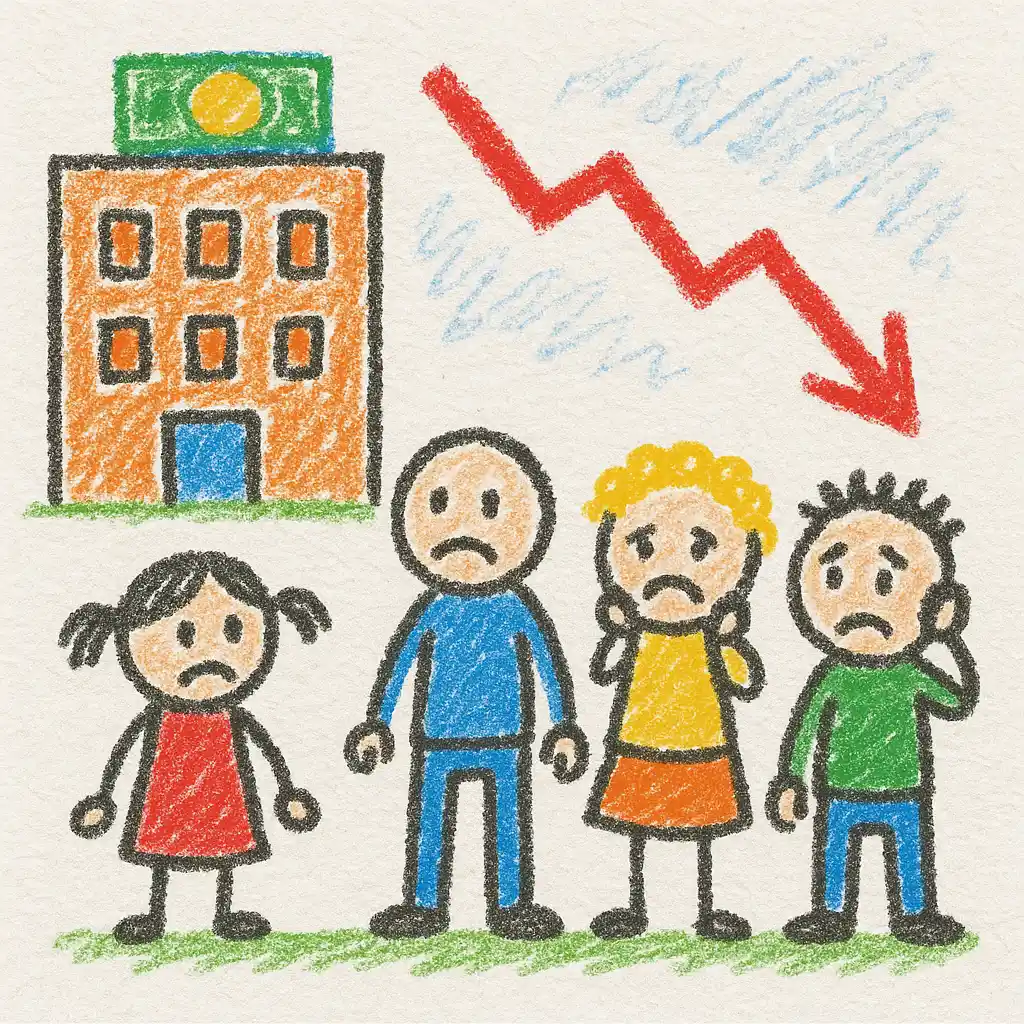
Looking at the bigger picture, this situation can have ripple effects on the economy. If enough people are too strapped to spend much, overall demand for goods can drop, which can slow economic growth. The charity and others are calling attention to this issue, hoping for solutions that might include policy changes to increase income support or control the cost of essentials. Meanwhile, experts watch these developments closely, knowing that solving these debt crises could be key to preventing larger economic problems down the road.
Want to read the original story?
View Original Source