The people next door
Explain Like I'm 5
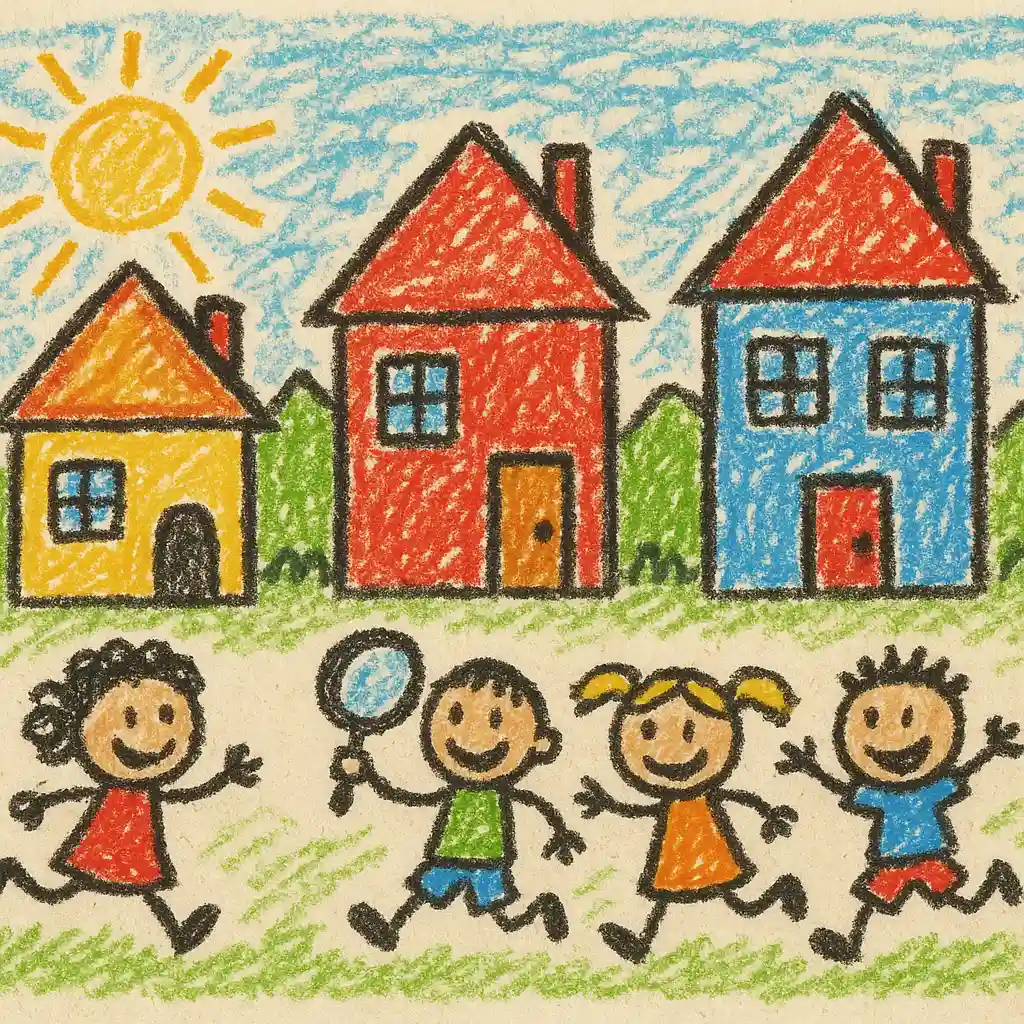
Imagine you have a big box of crayons. Now, think about how much fun it is to share your crayons and draw pictures together with your friends. Our neighbors are kind of like those friends you share crayons with, except they share things like lawnmowers, sugar, or even just a friendly hello. But in America right now, not many people are sharing their crayons. In fact, only about 1 out of every 4 people really talk or share things with their neighbors. That's like if you only played with one out of every four friends at school. It would be a lot less fun, right? Having good neighbor friends makes everything better, just like sharing crayons does!
Explain Like I'm 10
So, think about your neighborhood like it's a big team. Everyone has their own house and yard, but sometimes, you need to borrow something, like a basketball, or you just want someone to chat with. However, a recent study found that only 26% of adults in the U.S. really talk or connect with their neighbors. That's not a lot.
This is kind of a problem because knowing your neighbors can make you feel safer and happier. When people don't connect with those living around them, they might miss out on making friends or even getting help when they need it, like if a big scary dog gets loose, or if someone needs to borrow an ingredient for a cake. It's important because having friends nearby can make life a little easier and a lot more fun.
Explain Like I'm 15
Let's dive a bit deeper. Historically, communities were tight-knit groups where everyone knew each other's names, kids played together, and there was a strong sense of belonging and safety. Fast forward to today, and things have changed a lot in the U.S. According to a 2025 survey by Pew Research Center, only 26% of adults really engage with their neighbors. This shift might be due to several factors like busy schedules, technology taking up more of our time, or cultural changes where people value privacy more.
This trend of disconnection can have broader implications. For one, it can affect community safety—people are more likely to look out for each other when they know who lives next door. Economically, it might mean less cooperation in local economies—like sharing tools or services. Socially, it can lead to feelings of isolation or loneliness for some people.
Looking ahead, if this trend continues, we might see efforts to encourage more community interaction, maybe through local events or community centers. Experts think that rebuilding these connections could lead to happier, safer, and more cohesive communities. It's something to think about next time you see your neighbor. Maybe a simple "hello" could be the start of bringing those good old days back, at least a little bit.
Want to read the original story?
View Original Source