Thousands across the U.S. protest ICE
Explain Like I'm 5
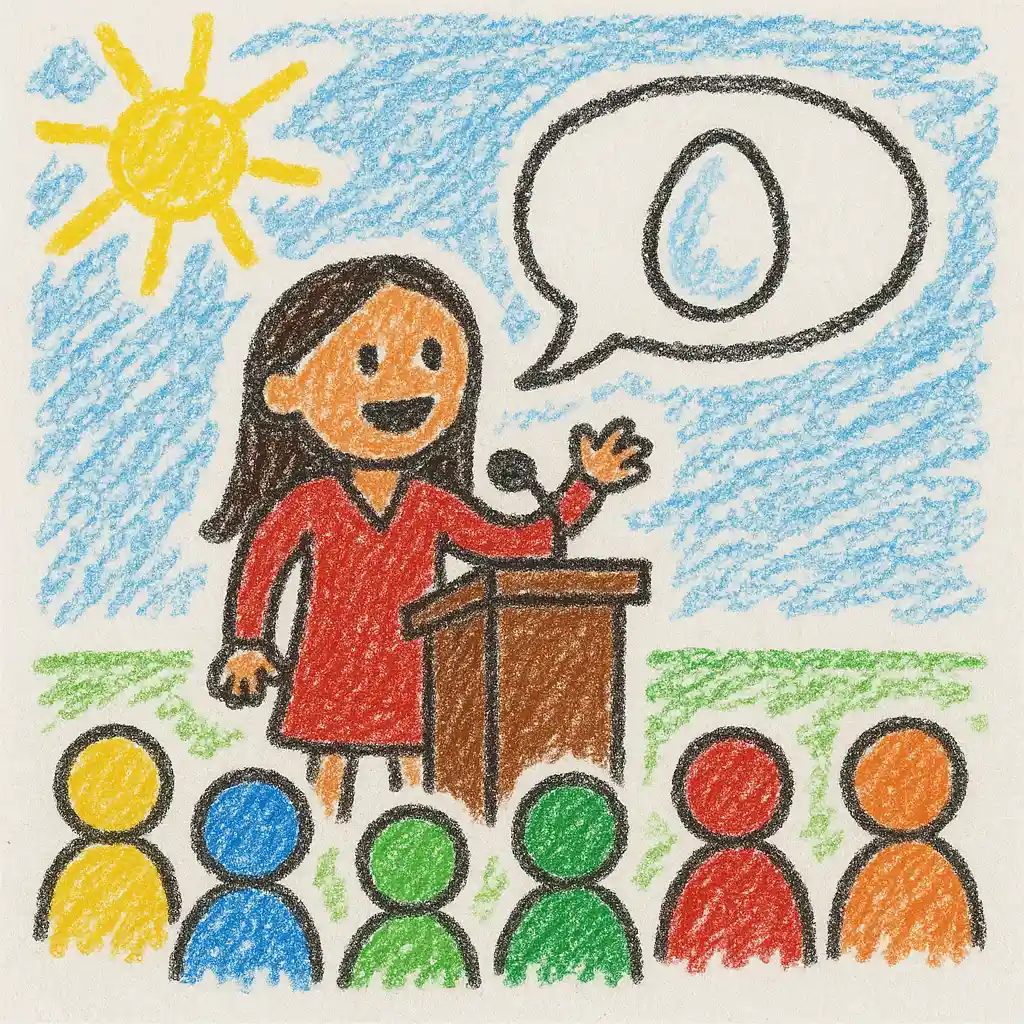
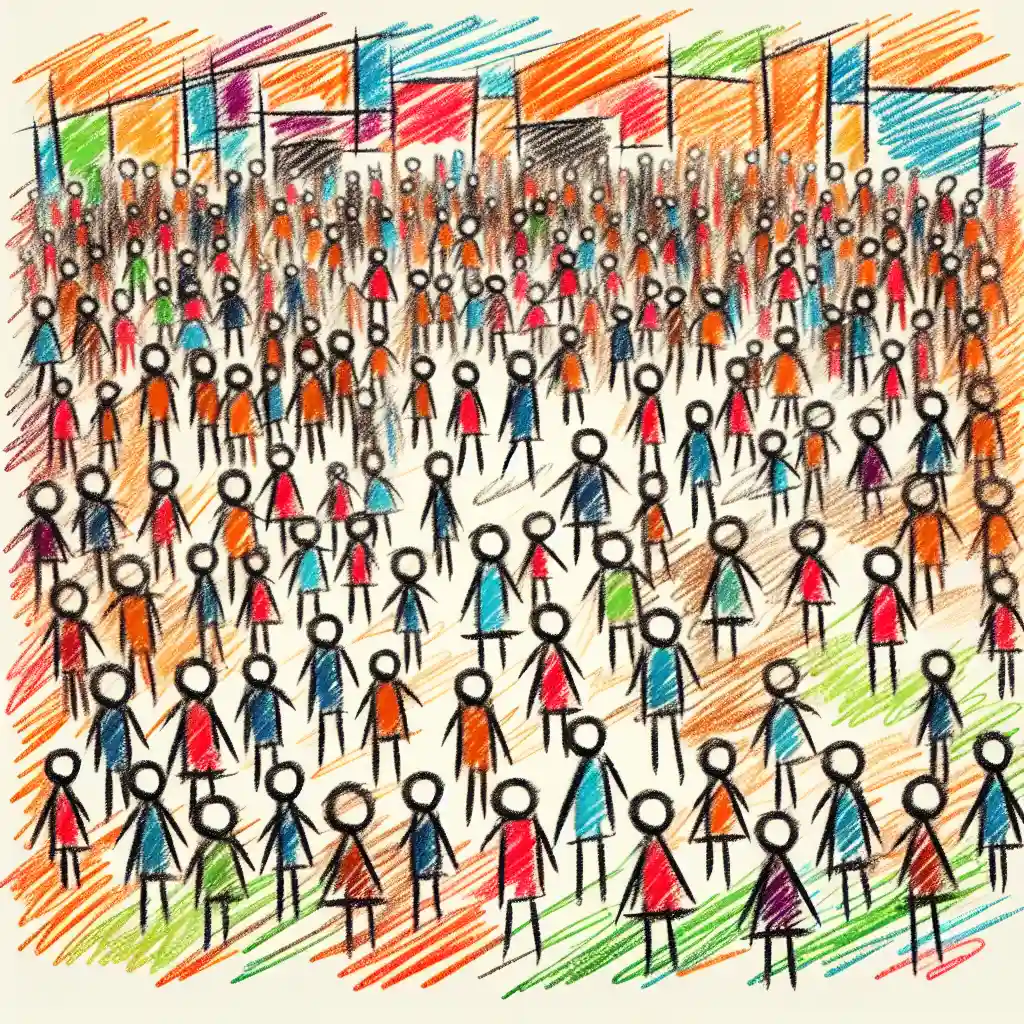
Imagine you have a big club at school that makes sure everyone follows the rules. Now, imagine some kids think this club isn't being fair, especially to new kids who just joined the school. So, lots of students across the school decide to make signs and stand in the playground shouting, "Be nicer to the new kids!" That's kind of like what's happening in the U.S. right now. A group called ICE, which helps manage who comes into the country, is being protested by thousands of people because they think ICE isn't being fair to new people coming into the country. They're holding signs and gathering in places to say they want things to change.
Explain Like I'm 10
ICE, which stands for Immigration and Customs Enforcement, is like the police for borders and immigration in the U.S. They check if people coming into the country have the right paperwork and follow certain rules. However, some people think ICE is too strict or unfair, especially to those who are fleeing trouble in their own countries and seeking safety. Because of this, thousands of people across different cities in the U.S. have started protesting. They're gathering in public places, holding signs, and asking for ICE to change how they treat immigrants. This is happening now probably because of recent events or policies that got these people upset. The protesters hope that by showing how many people are concerned, the government might listen and change how things are done.
Explain Like I'm 15
ICE, the U.S. Immigration and Customs Enforcement agency, has been the focus of national debate over its role in enforcing immigration laws. Critics argue that ICE's methods can be harsh, impacting families and individuals who are seeking refuge and better opportunities in the U.S. This has sparked widespread protests in various cities, with thousands calling for reforms or even the abolition of the agency.
The historical context here involves America's long and complex relationship with immigration, often swinging between welcoming immigrants and imposing strict controls. The protests are a response not just to specific incidents but to broader policies and the overall approach of ICE, which some believe contradicts the American values of liberty and sanctuary for the oppressed.
These demonstrations could influence public opinion and policy, pushing lawmakers to consider changes in how immigration laws are enforced. This is a pivotal moment that might define future U.S. immigration policy. Experts watching these events unfold might analyze the effectiveness of protests in swaying political decisions or in shaping the national conversation about what it means to be American in a globalized world. The outcome could lead to significant changes in immigration policy, depending on how the government responds to these collective voices.
Want to read the original story?
View Original Source