Thousands march and dozens arrested in Minneapolis protests against ICE
Explain Like I'm 5
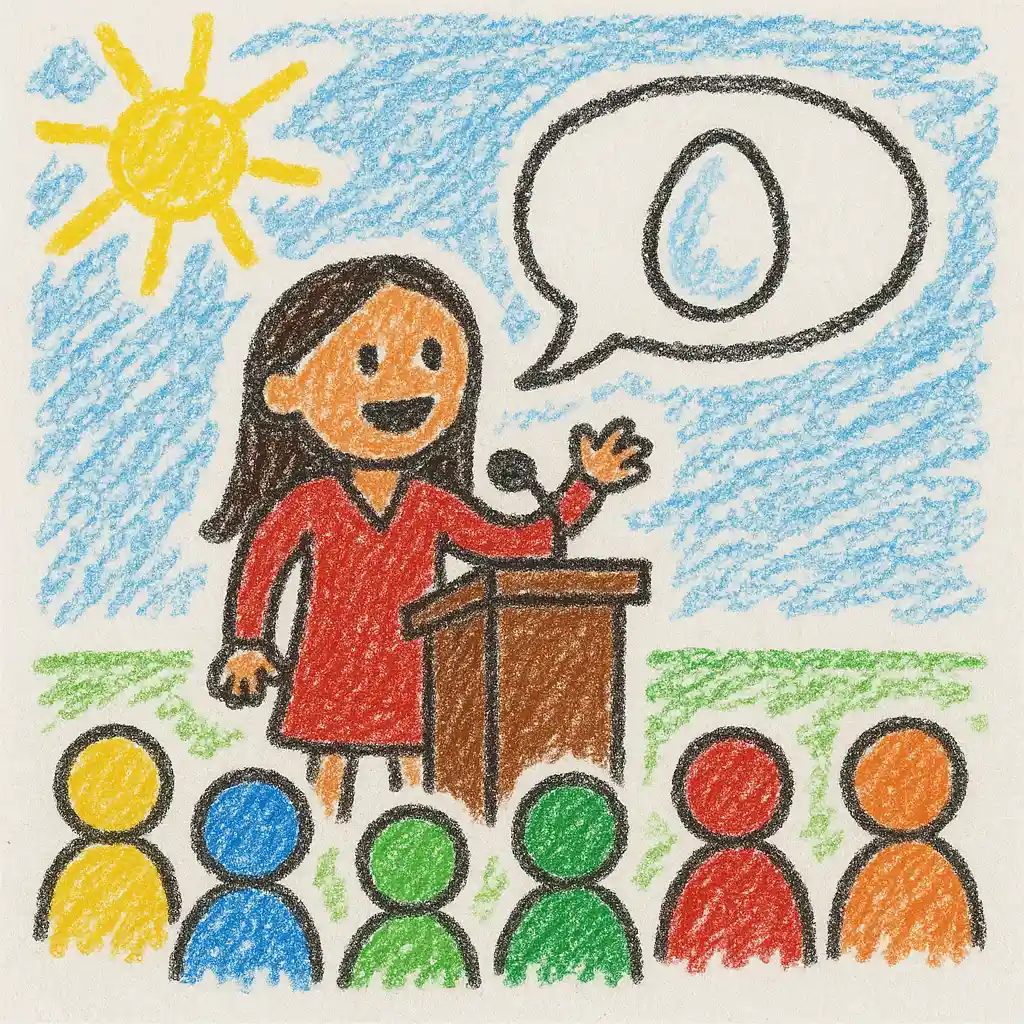
Imagine you have a big box of crayons, and someone takes it away from you because they think you shouldn’t have it. You’d feel pretty upset, right? And you might even start a mini protest in your playroom. Well, in Minneapolis, a lot of people felt that an organization called ICE took something very important away from someone named Renee Good, and they didn’t think it was fair. So, they decided to have a big protest, like when you gather all your friends to say, "We want our crayons back!" During this big gathering, some people were even given a time-out by the police, which means they were arrested.
Explain Like I'm 10
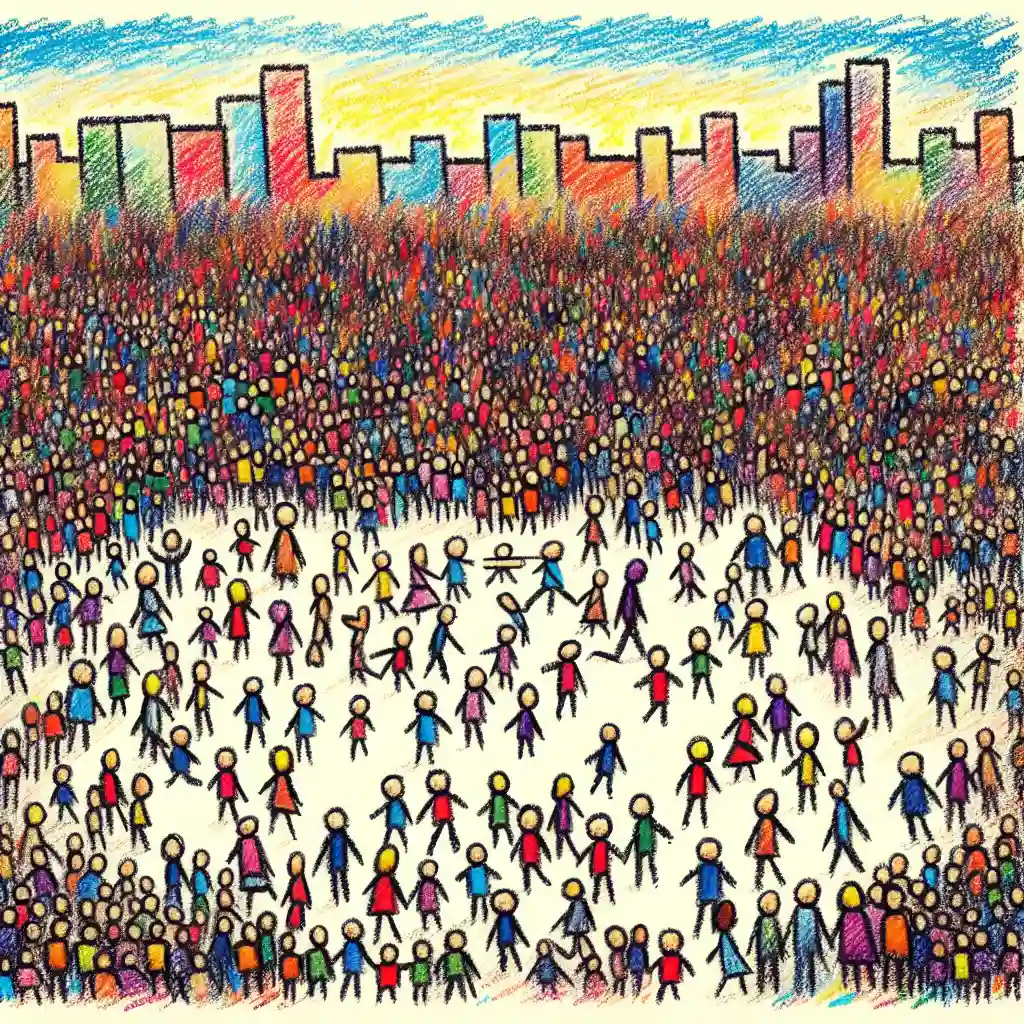
In Minneapolis, a lot of people are really upset because they think an organization called ICE (which deals with immigration issues) did something wrong that affected a person named Renee Good. After something very sad happened to Renee, the people felt that they needed to speak up about how ICE was treating people. So, thousands of them decided to march through the streets to show that they were not happy. It’s kind of like when you and your classmates might hold a school rally to make a big statement about something important.
During their march, these people held signs, chanted, and expressed their feelings loudly. However, the situation got so intense that the police ended up arresting dozens of protesters. This means those people were temporarily taken by the police because they might have been breaking some laws during the protest. This is a big deal because it shows how strongly people feel about the actions of ICE and what happened to Renee.
Explain Like I'm 15
In Minneapolis, a significant protest erupted following the death of Renee Good, stirring national attention and debates about the practices of U.S. Immigration and Customs Enforcement (ICE). The protesters are challenging what they perceive as unjust actions by ICE, which they believe contributed to Renee's tragic outcome. This incident has sparked outrage because it taps into broader concerns over immigration policies and the treatment of individuals by this agency.
Thousands marched to voice their discontent, signaling a strong community response and a demand for change in how immigration laws are enforced. The protest not only reflects frustration with ICE but also with systemic issues involving immigration and human rights in the U.S. The scale of the protest and the subsequent arrests (dozens detained by police) highlight the tension between law enforcement and civil activism, and how public gatherings can escalate.
This event is part of a larger narrative about immigration in America, a topic that has been contentious and polarizing. The response to Renee Good's death, the protests, and the arrests might prompt discussions and potential reevaluations of ICE's policies and practices. The situation also serves as a real-time study of civic engagement and the complex interplay between government agencies and the rights of individuals, which could influence future policy decisions and public perceptions.
Want to read the original story?
View Original Source