Three Lebanese journalists killed in Israeli strike, say broadcasters
Explain Like I'm 5
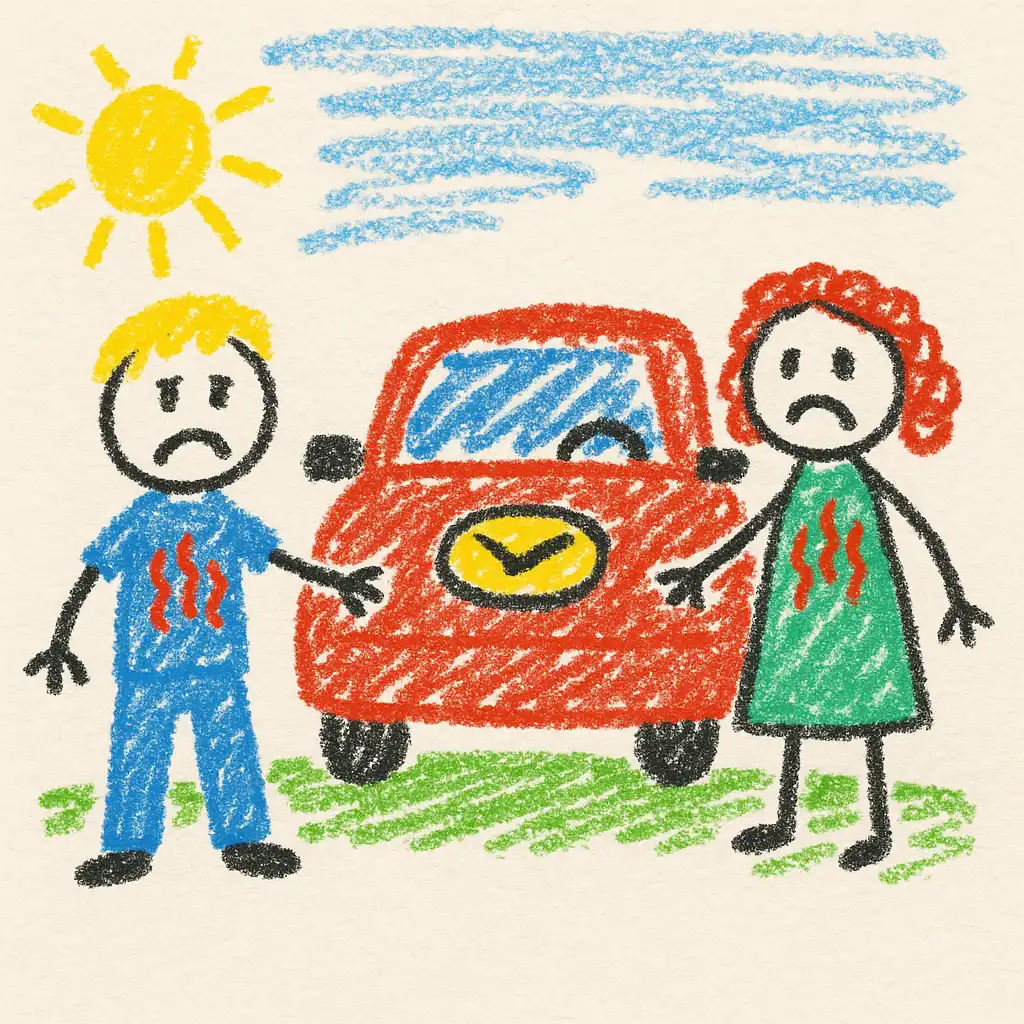
Imagine you have a big box of crayons. Some of the crayons are your favorites and you use them a lot, but sometimes, by accident, you might break a crayon while just trying to use another one. In a grown-up world, there are countries that sometimes have disagreements, kind of like not sharing toys. Recently, during one of these disagreements, a sad accident happened where three journalists from Lebanon were like the crayons that got broken. They were in a place where a conflict was happening, and they got hurt even though they were just trying to tell the story of what was going on.
Explain Like I'm 10
So, let’s talk about a serious news event. There are countries named Israel and Lebanon, and sometimes they have really big disagreements. Recently, Israel was involved in an action where they struck a place in Lebanon. Unfortunately, during this strike, three journalists from Lebanon who were working there got killed. Journalists are people who tell us news stories, like reporters on TV or writers in newspapers. They were there to tell everyone what was happening, but they ended up getting hurt. This event is especially sad because journalists are not supposed to be targeted in conflicts. They are like the messengers who are there to inform us, not to fight.
Explain Like I'm 15
In the complex world of international relations, things can sometimes escalate quickly and tragically. Recently, in an incident that highlights the dangers journalists face in conflict zones, three Lebanese journalists were killed during an Israeli military strike. These journalists were associated with Al Manar TV, which is connected to Hezbollah, a group that has a significant influence in Lebanon and is often in conflict with Israel.
The situation is layered. Hezbollah, besides being a political party, is also seen as a militant group by Israel and some other countries. The media outlets associated with such groups are often on the front lines, reporting from dangerous areas. This incident brings to light the perilous conditions under which journalists operate, especially in war zones where the lines can blur between military targets and civilian areas.
The death of these journalists not only is a tragedy but also raises questions about the safety of the press, the rules of engagement in conflict zones, and the broader implications for freedom of the press. It’s a stark reminder of the risks journalists take to bring news to the public. This event might lead to international discussions on journalist safety and possibly strain the already tense relations between Israel and Lebanon.
Want to read the original story?
View Original Source