
Three state attorneys general subpoena Anthony Fauci over Covid guidance
Explain Like I'm 5
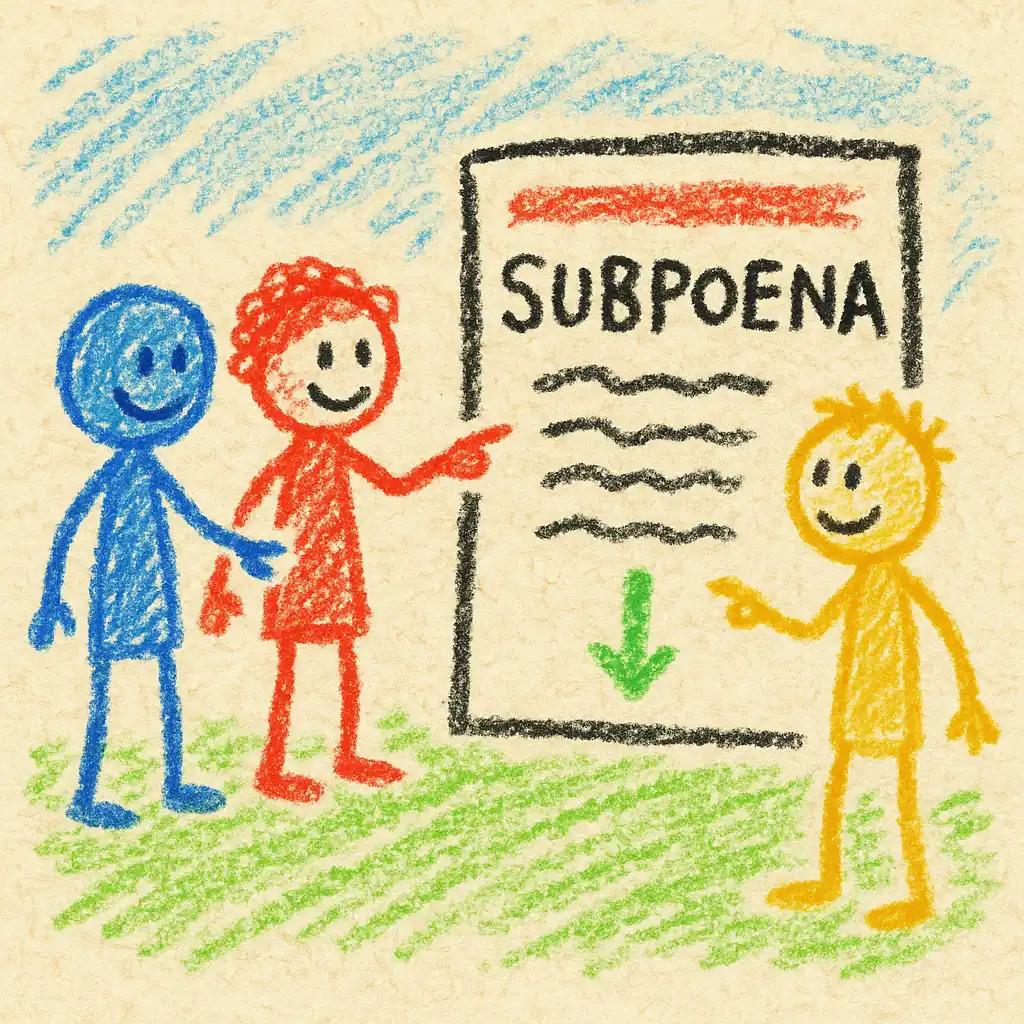
Okay, imagine you have a big box of crayons, and you really want to know why the red crayon is so popular. So, you ask the red crayon a bunch of questions, but it keeps avoiding you like a cat when you try to cuddle it. Now, some kids in the neighborhood (let’s call them the attorneys general) decide they want to know why the red crayon is acting all mysterious, so they ask the crayon to come to their clubhouse and explain itself. That's kind of what's happening with Dr. Fauci and the attorneys general!
The big takeaway? Sometimes, when people have important questions, they want answers, and they might even ask someone important to come and talk about it!
Explain Like I'm 10
So, here’s the scoop: three state attorneys general—think of them as the top law enforcement officials in their states—are trying to get Dr. Anthony Fauci, who was a key figure during the Covid pandemic, to answer some questions about how the pandemic was handled. They’ve issued a subpoena, which is a fancy way of saying they want him to show up and explain things, kind of like a school principal calling a student to the office for a chat.
Why now? Well, there’s been a lot of debate about how the Covid crisis was managed, and some folks, especially from the Republican side of politics, are really curious (and a bit frustrated) about the guidance that was given during the pandemic. They think there might have been some mistakes made, and they want to hold people accountable.
The immediate consequence? If Fauci doesn’t show up or answer questions, there could be legal ramifications, and it might create more tension between different political groups. Think of it like when your friend doesn’t show up to a group project meeting—things can get messy!
Explain Like I'm 15
Alright, let’s dive deeper into this situation. The three state attorneys general are from states that have been politically charged about the response to Covid-19. They’re essentially seeking to investigate the decisions made by Dr. Fauci, who was the director of the National Institute of Allergy and Infectious Diseases and played a leading role in shaping the federal response to the pandemic. The subpoena is a formal legal request for him to provide information or testimony, and it’s a big deal because it highlights the ongoing political battles surrounding how the pandemic was handled.
Historically, Fauci has been a prominent figure in public health for decades, and during the pandemic, he often found himself at the center of both praise and criticism. His guidance and recommendations were followed by many, but they also faced backlash, especially from those who disagreed with the lockdown measures and mask mandates. The attorneys general are part of a broader movement by some Republican leaders who are questioning the decisions made during the pandemic, seeking accountability for what they perceive as failures in management.
The broader implications of this investigation could mean increased scrutiny of public health officials and how they communicate during crises. It raises questions about transparency in government and the role of science in policymaking. As for what might happen next, it’s uncertain whether Fauci will comply with the subpoena or challenge it legally. Experts suggest that this could lead to more political drama as we head toward future elections, especially with how public health policies have become a hot-button issue.
In conclusion, this situation illustrates the intersection of health, politics, and accountability in a post-pandemic world. It’s a reminder that the decisions made during crises can have lasting effects, and the conversations around them are far from over.
Want to read the original story?
View Original Source