TikTok closes deal to split US app from global business
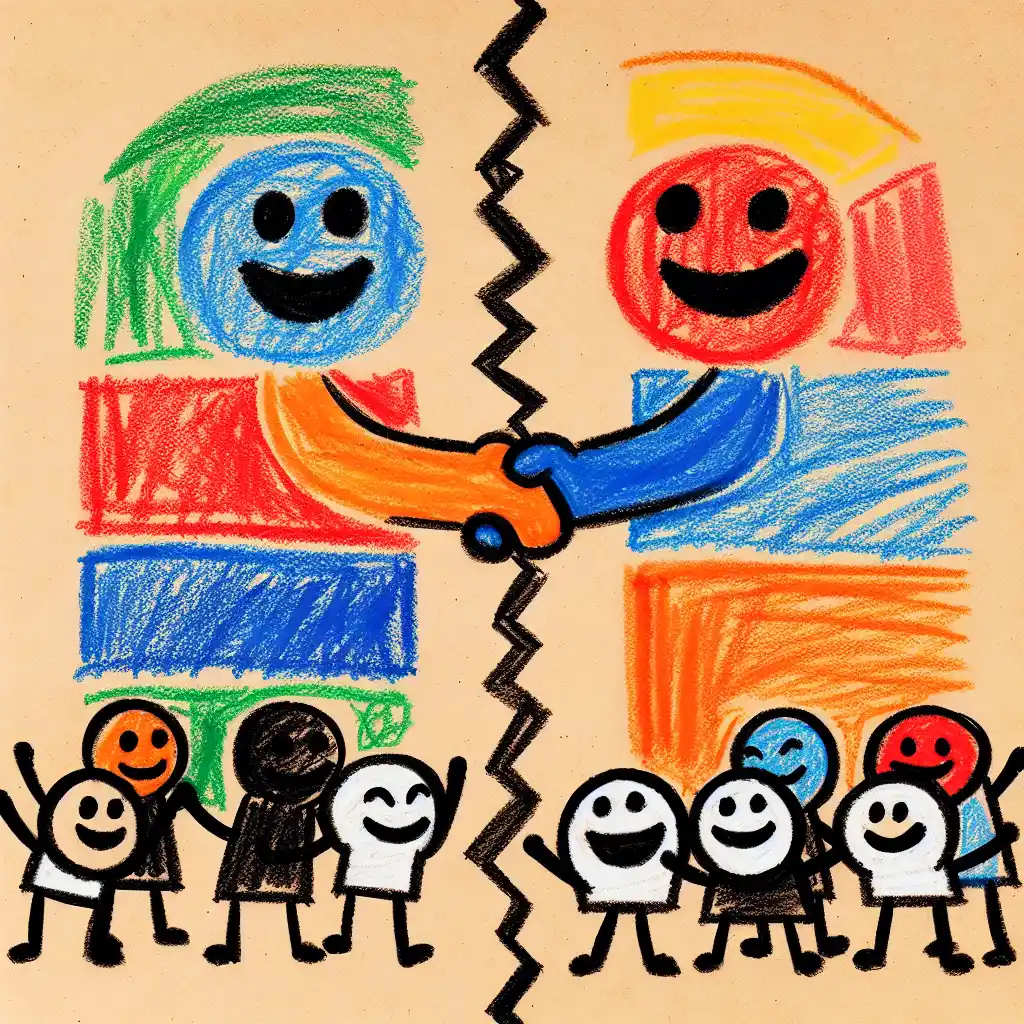
Explain Like I'm 5
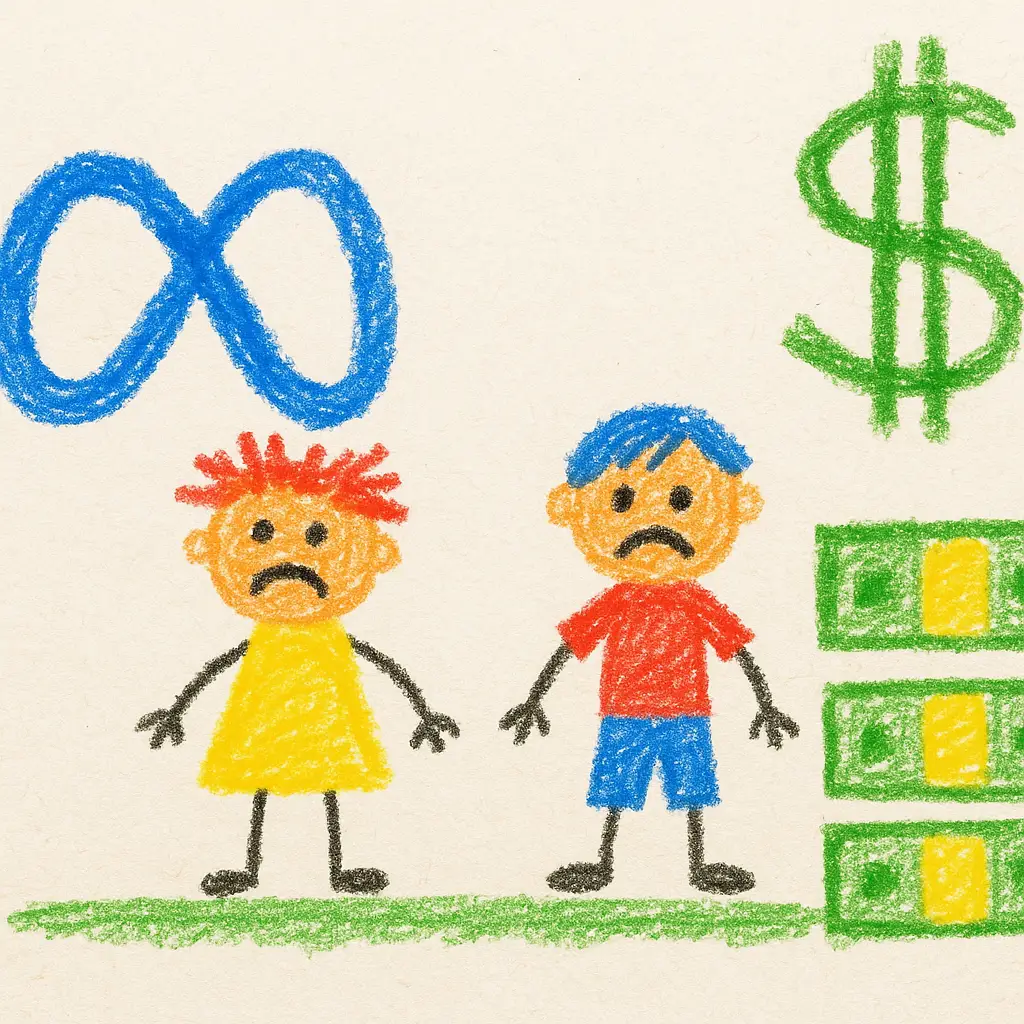
Imagine TikTok as a big, colorful toy box that children all around the world love to play with. But, the people in charge in the U.S. became worried that the toy box, which is made in China, might have some secret notes hidden inside it that shouldn’t be there. They said, “We will only let kids play with this toy box if it’s made just for them, here in the U.S.” So, TikTok decided to make a special toy box just for kids in the U.S. that’s separate from the toy boxes in other countries. This way, U.S. kids can keep playing with their toys without any worries!
Explain Like I'm 10
TikTok, the super popular video app, has been in a bit of a pickle. You see, its parent company is based in China, and some people in the U.S. government were worried that the Chinese company might handle American users' data in ways that aren’t safe or private. They were so concerned that they told TikTok it might have to stop working in the U.S. unless it could make a version of the app that is controlled in the U.S., separate from the rest of the world. So, TikTok made a deal to have its U.S. app operate on its own, like a standalone business. This means all the fun videos and data from U.S. users will be managed within the U.S., and it won’t get mixed up with data from other countries.
Explain Like I'm 15
TikTok, owned by the Chinese company ByteDance, found itself under intense scrutiny by the U.S. government due to concerns over national security and data privacy. The worry was that the Chinese government could potentially access data from American TikTok users, which could include personal information and habits. Because of these concerns, the U.S. government threatened to ban TikTok unless ByteDance divested its American operations. This essentially meant TikTok had to split off its U.S. business from its global operations to ensure that all data pertaining to American users would be stored and handled within U.S. borders, under U.S. regulations.
This move is significant not just for TikTok but for international business and tech industries as a whole, reflecting growing concerns about data privacy, cybersecurity, and the influence of foreign governments in the digital age. The separation of TikTok’s U.S. operations could set a precedent for other foreign tech companies operating in the U.S., potentially leading to more fragmented digital landscapes. This could mean more regional variations of popular apps and services, tailored to meet specific national regulations. The long-term implications could include changes in how global digital businesses operate, emphasizing the importance of local control over data and user information.
Want to read the original story?
View Original Source