
Top U.S. archbishops denounce American foreign policy
Explain Like I'm 5
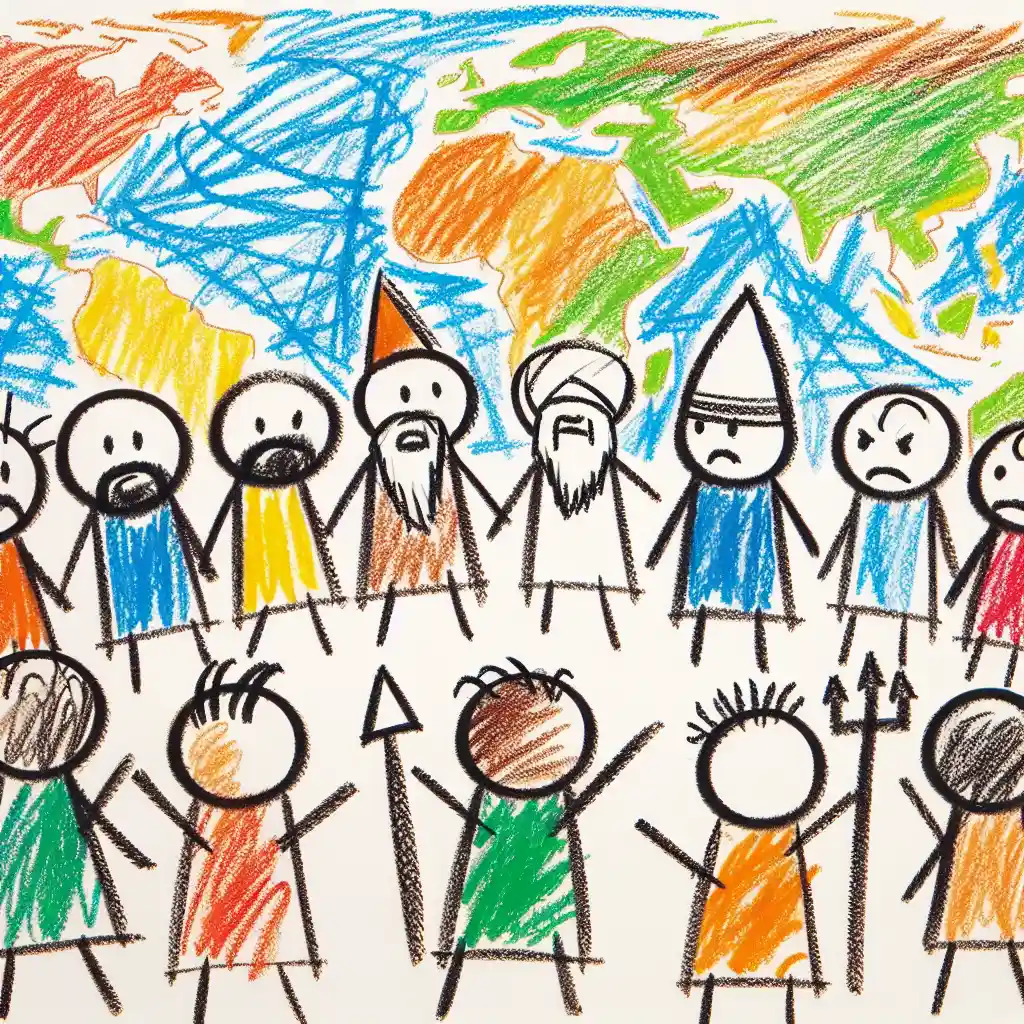
Imagine you're playing on the playground and you have rules to make sure everyone plays nice. Now, imagine if some of the big kids, who are supposed to be the role models, start breaking the rules. Other kids might start thinking that breaking the rules is okay. In this story, some of the top leaders in the U.S. churches, think of them as the big kids on the playground, are saying that the U.S. government, which is like the biggest kid, isn't playing nice with other countries. They're worried because they think everyone should be good and fair, especially when dealing with friends.
Explain Like I'm 10
In school, you learn about how important it is to be fair and responsible, right? Well, three of the highest-ranking church leaders in the United States, called cardinals, are upset with how the U.S. is behaving with other countries. They recently said that the U.S. isn't acting like a good leader should. They think the U.S. is not doing the right thing when it makes decisions that affect other countries and people around the world. The cardinals are worried because they feel these actions don't match the good values that they teach, like being kind and just. They made a public statement, which is like telling everyone in class that they don't agree with what's happening.
Explain Like I'm 15
In a significant move, the top cardinals of the largest U.S. archdioceses have publicly criticized American foreign policy. They argue that recent actions and decisions by the U.S. have compromised its moral standing in international affairs. Essentially, they're concerned that America, which has often positioned itself as a global leader in promoting good and confronting wrongdoing, is failing to live up to its own standards.
This criticism from such high-ranking figures in the Catholic Church is notable because the Church often plays a more neutral role in direct political matters. Their statement suggests a deep concern about the ethical implications of current U.S. policies and their potential consequences on global perceptions of American integrity and leadership. This kind of critique can influence public opinion and possibly policy, given the moral authority and influence these figures hold. The broader implications could involve a reevaluation of how American actions are viewed on the world stage, potentially impacting diplomatic relationships and America's ability to lead effectively on global issues. What happens next could range from a simple dismissal of these concerns by policymakers to a more reflective shift in how foreign policy is crafted, depending on how these critiques are received within political circles and among the general public.
Want to read the original story?
View Original Source