
Trade court strikes down a second round of Trump tariffs
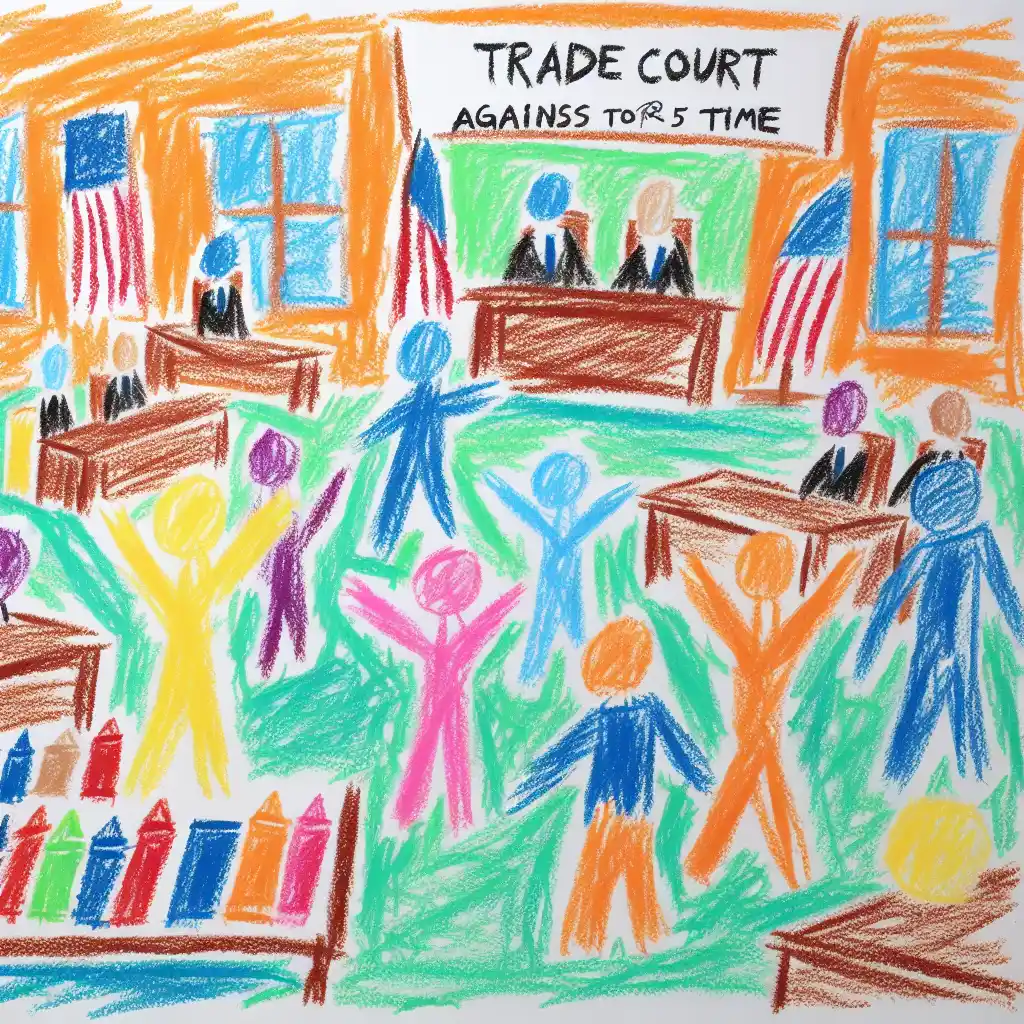
Explain Like I'm 5
Imagine you have a big box of crayons, and you're the only one in class who has the sparkly ones. If your friends want to use them, you ask for something in return, like stickers. This is kind of like what happens between countries when they trade stuff. Now, imagine if you suddenly started asking for more stickers than before, just because you can. That might make your friends upset, right? Well, President Trump did something similar by making other countries give more to the U.S. to sell their products here, which is like asking for more stickers. But a special group called the Court of International Trade said this wasn't fair, so they told him he can't do that anymore. That's what happened with these tariffs, which are like the extra stickers.
Explain Like I'm 10
So, tariffs are basically extra fees that countries charge on goods coming from other countries. Think of it as a game where each country tries to make their products the most popular by adding or removing rules. President Trump added more rules, or tariffs, which made it more expensive for products from other countries to be sold in the U.S. He thought this would help American companies and workers by making foreign products more expensive compared to American ones.
However, not everyone agreed with this idea. Some people thought these extra fees made things more expensive for American buyers and hurt other countries' feelings, leading to them not wanting to trade as much with the U.S. The Court of International Trade, which is like a referee in this game, decided that these new rules weren't played fairly according to the bigger rulebook (law), and they said no to President Trump's tariffs. This is the second time they've done this, after the highest court, the Supreme Court, also said his earlier tariffs were not okay.
Explain Like I'm 15
Tariffs are a classic tool in international trade policy, used by countries to protect their domestic industries from foreign competition or to generate revenue. However, they can lead to trade wars if one country feels the tariffs are unjust and retaliates. President Trump, during his time in office, imposed a series of tariffs globally, arguing it would help protect American jobs and businesses from unfair foreign competition.
These tariffs, however, were controversial. Critics argued that they raised prices for American consumers and disrupted international supply chains, potentially hurting the very workers they were meant to protect. In response to these tariffs, the Court of International Trade has now struck down a second round of these fees, following a decision by the U.S. Supreme Court that deemed his earlier tariffs illegal.
This decision is significant because it not only impacts the current economic environment but also sets a legal precedent on how far U.S. presidents can go in using tariffs without Congress's approval. The broader implications include potential shifts in global trade relationships and domestic economic policies. Looking ahead, experts are divided. Some believe this might lead to more cautious use of tariffs in U.S. trade policy, while others think it could escalate tensions within the global trade system, depending on how future administrations respond to this ruling.
Want to read the original story?
View Original Source