Train crash kills more than three dozen in Spain
Explain Like I'm 5
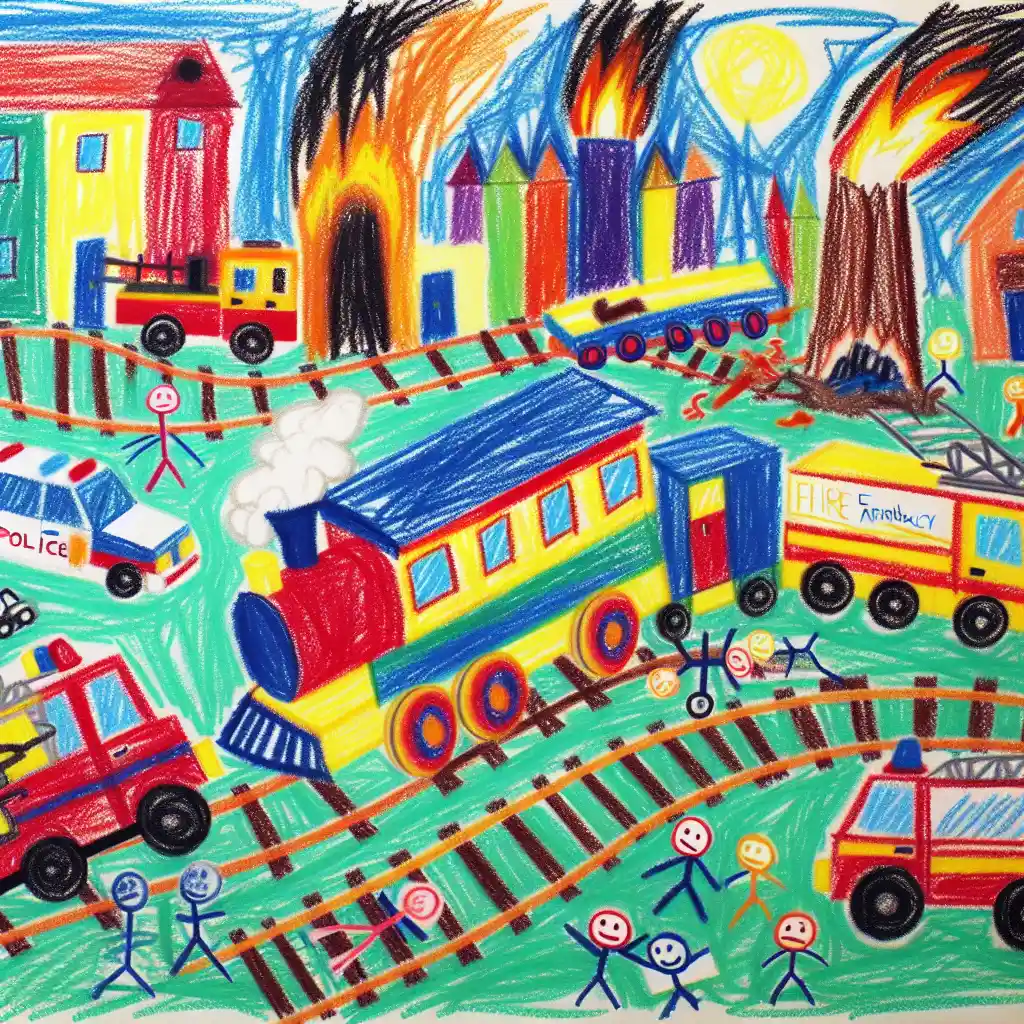
Imagine you have two toy trains on the same track, speeding towards each other because someone forgot to switch the tracks. Ouch! They crash. That's kind of what happened in southern Spain, but with real trains and it's much more serious. More than three dozen people, which is a lot, were hurt because two high-speed trains ran into each other.
Explain Like I'm 10
So, in southern Spain, two very fast trains were going towards each other on the same track and they collided. This is something that isn't supposed to happen because trains have a lot of systems and rules to keep them from crashing into each other. More than 36 people lost their lives, which is really sad and serious.
The people in charge of the trains, and others who look after our safety, are trying to figure out why this happened. Was it a mistake by someone driving the train? Or maybe something was wrong with the tracks or the signals that tell the train where to go and when it's safe. It's a big deal because people rely on trains to be safe and fast, especially high-speed ones that go super fast!
Explain Like I'm 15
In southern Spain, a tragic event occurred where two high-speed trains collided head-on. This type of train is designed to move people quickly and efficiently across long distances, and they operate at very high speeds. The collision resulted in the deaths of over three dozen people, making it a significant and heartbreaking incident.
The crash triggers a lot of questions about the safety protocols of these high-speed train systems. Typically, these trains are equipped with advanced signaling systems that manage their operation, ensuring they do not end up on the same track at the same time. The investigation will need to look into whether this was a human error, a mechanical failure, or a combination of both.
Spain has invested heavily in its high-speed rail network, which has been a point of pride in its infrastructure. Incidents like these not only have immediate tragic consequences but can also have broader implications for public confidence in rail safety, potentially affecting how people choose to travel in the future. Authorities and experts will be keen to figure out exactly what went wrong to prevent such incidents from happening again. What comes next will likely involve a thorough investigation, and possibly reevaluating current safety measures to improve them.
Want to read the original story?
View Original Source