Trouble brewing? Climate change puts tea drinkers in hot water
Explain Like I'm 5
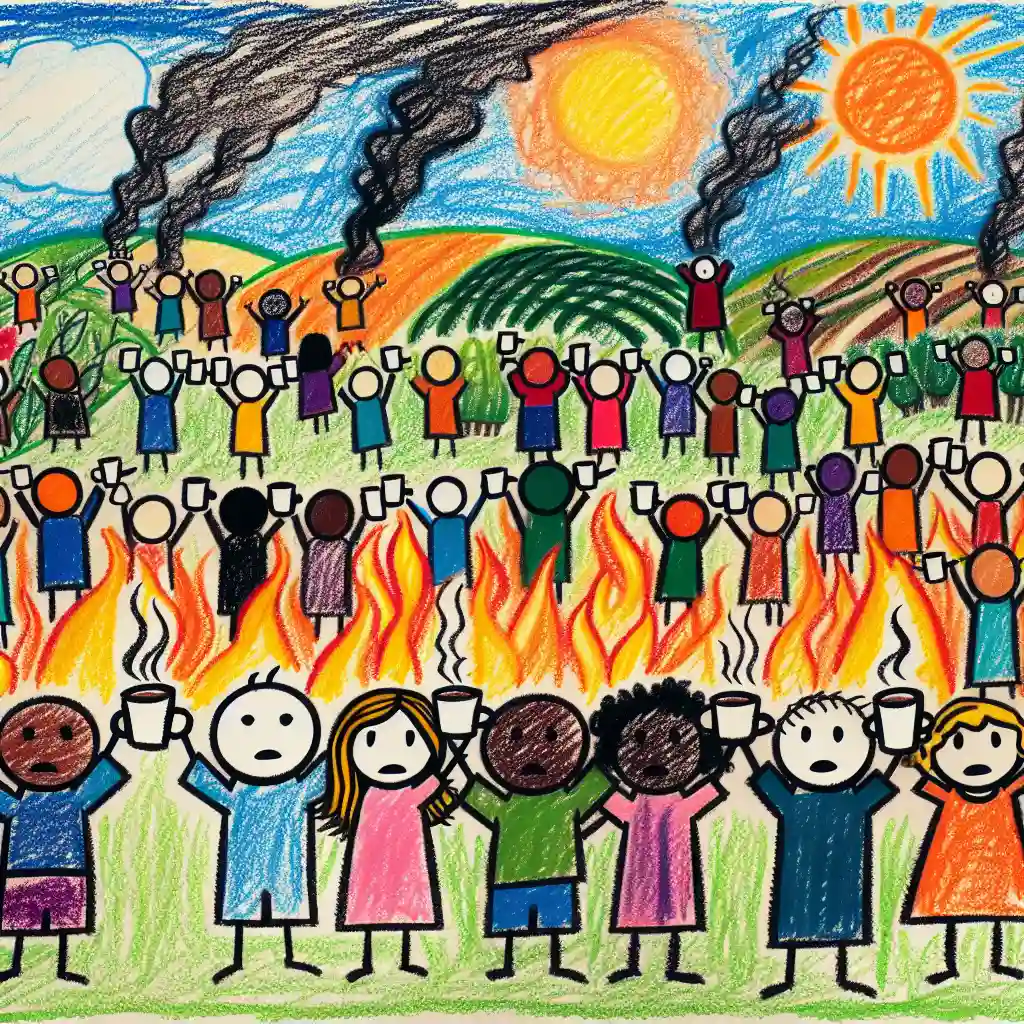
Imagine your favorite ice cream flavor is strawberry. But, oh no! The farm where the strawberries grow is having trouble because the weather is getting too hot and too weird. Now, imagine this is happening with tea instead of ice cream. Because of changes in the weather, which adults call "climate change," the plants that give us tea leaves are not happy. When these plants are unhappy, they don't make leaves that taste as good. This means your mom or dad’s morning tea might start tasting a little funny. That’s a big problem because lots of people really love their tea!
Explain Like I'm 10
Alright, so you know how weather can affect how plants grow? Like, some plants need lots of sun, and others might need lots of rain. Tea plants are very picky; they need just the right conditions to make the best-tasting tea. But here's the issue: the Earth's weather is changing a lot because of something called climate change. This means some places are getting warmer, some are getting more rain, and others are getting less than they used to.
These changes are bad news for tea because the plants are getting confused and stressed. Imagine how you feel when you’re too hot or too cold – you can’t perform your best, right? It’s the same with tea plants. This stress affects the flavor of the tea, and it's starting to worry people who make and drink a lot of tea. If we don’t find a way to help these plants cope with the new conditions, our tea breaks could become a lot less yummy.
Explain Like I'm 15
Climate change is more than just a buzzword; it's a complex environmental issue that affects every corner of the globe in myriad ways, including our agriculture. Tea, one of the most beloved beverages worldwide, is becoming an unexpected casualty. The plants that produce tea are extremely sensitive to their environment. Optimal tea-growing conditions require specific temperatures and rainfall patterns, which are being disrupted as the climate changes.
For instance, major tea-producing regions in countries like India, China, and Kenya are experiencing shifts in weather patterns, with more extreme weather events like droughts and floods becoming more common. These changes can stress tea plants and alter the development of compounds in tea leaves that contribute to their flavor, aroma, and color. The result? The quality and quantity of tea production are threatened, potentially altering the taste of tea as we know it.
The socio-economic implications are significant too. Many regions depend heavily on tea cultivation for their economic survival, providing jobs and income for millions of people. A decline in tea quality could affect market prices and export revenues, hitting these communities hard.
In response, researchers and farmers are exploring adaptive measures, like developing more resilient tea plant varieties or altering cultivation practices to suit changing climatic conditions. However, these solutions require time, investment, and further research. The future of tea, and the livelihoods of those who depend on it, hangs in a delicate balance as we grapple with the broader implications of our changing climate.
Want to read the original story?
View Original Source