Trump-backed candidate wins in knife-edge Honduran election
Explain Like I'm 5
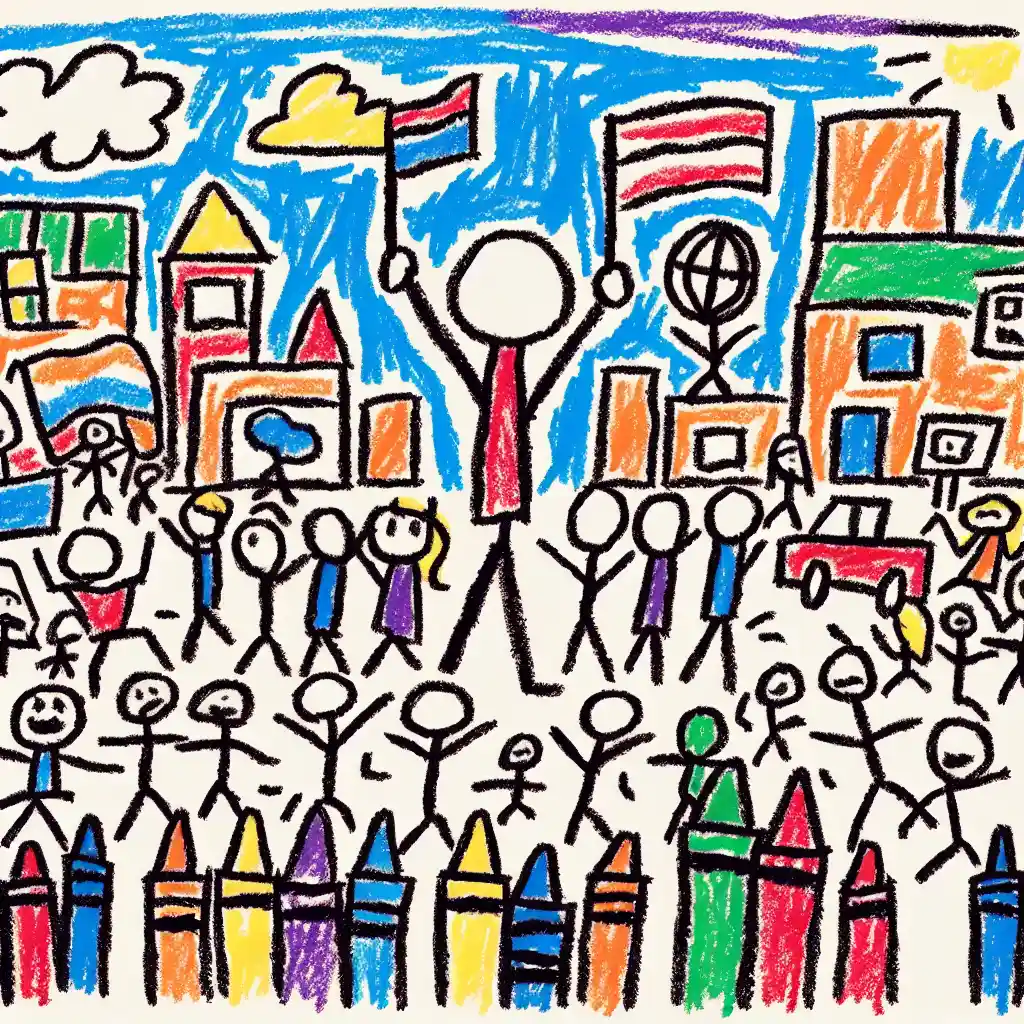
Imagine you're playing a super close game of musical chairs, where there's only one chair left and two people trying to sit down when the music stops. In Honduras, they just had something like a big game of musical chairs, but instead of playing for a chair, they were voting to pick their leader. Two main players were trying to win: one supported by Donald Trump, a famous American, and the other guy, Salvador Nasralla. The one Trump liked won the game, but it was super, super close—like someone sitting down just as the other person was about to sit. Now, Salvador isn't happy about losing by such a tiny bit and says he doesn't agree with the result, but he's also asking everyone to stay calm and not get too upset about it.
Explain Like I'm 10
In Honduras, they just had an election to decide who's going to be in charge, kind of like picking a class president. It was a really tight race, meaning both candidates had almost the same number of people voting for them. The candidate who had support from Donald Trump, a well-known former U.S. President, ended up winning by just a little bit. His opponent, Salvador Nasralla, is not happy with how close it was and thinks something might have gone wrong. He's told people he doesn't accept that he lost, which is a bit like saying he thinks the game was unfair. However, he also told his supporters to stay cool and not make a big fuss, trying to keep things peaceful even though he's upset. This situation is tricky because it's important for everyone to believe that elections are fair, just like everyone needs to agree on the rules of a game for it to be fun.
Explain Like I'm 15
In Honduras, a very close and contentious election just took place. The candidate who was endorsed by Donald Trump, a highly influential figure in international politics, narrowly won. This kind of backing from a prominent foreign figure like Trump can sway opinions and impact the election's outcome, highlighting the global influence in national elections.
Salvador Nasralla, the losing candidate, has contested the results, claiming that the margin was too slim for the outcome to be clear-cut. His refusal to accept the results raises concerns about the legitimacy and transparency of the electoral process, which is crucial for maintaining public trust in democratic systems. Despite his grievances, Nasralla has called for peace and calm among his supporters, which is vital in preventing unrest and keeping the situation under control.
The election's aftermath could have significant implications, both domestically and internationally. Domestically, it tests the strength and fairness of Honduras's democratic institutions. Internationally, it could affect Honduras's relations with other countries, especially the U.S., given the involved endorsement by a former U.S. president. Moving forward, how this situation resolves could set a precedent for future elections and for the political stability of the region.
Want to read the original story?
View Original Source