Trump just can’t quit tariffs
Explain Like I'm 5
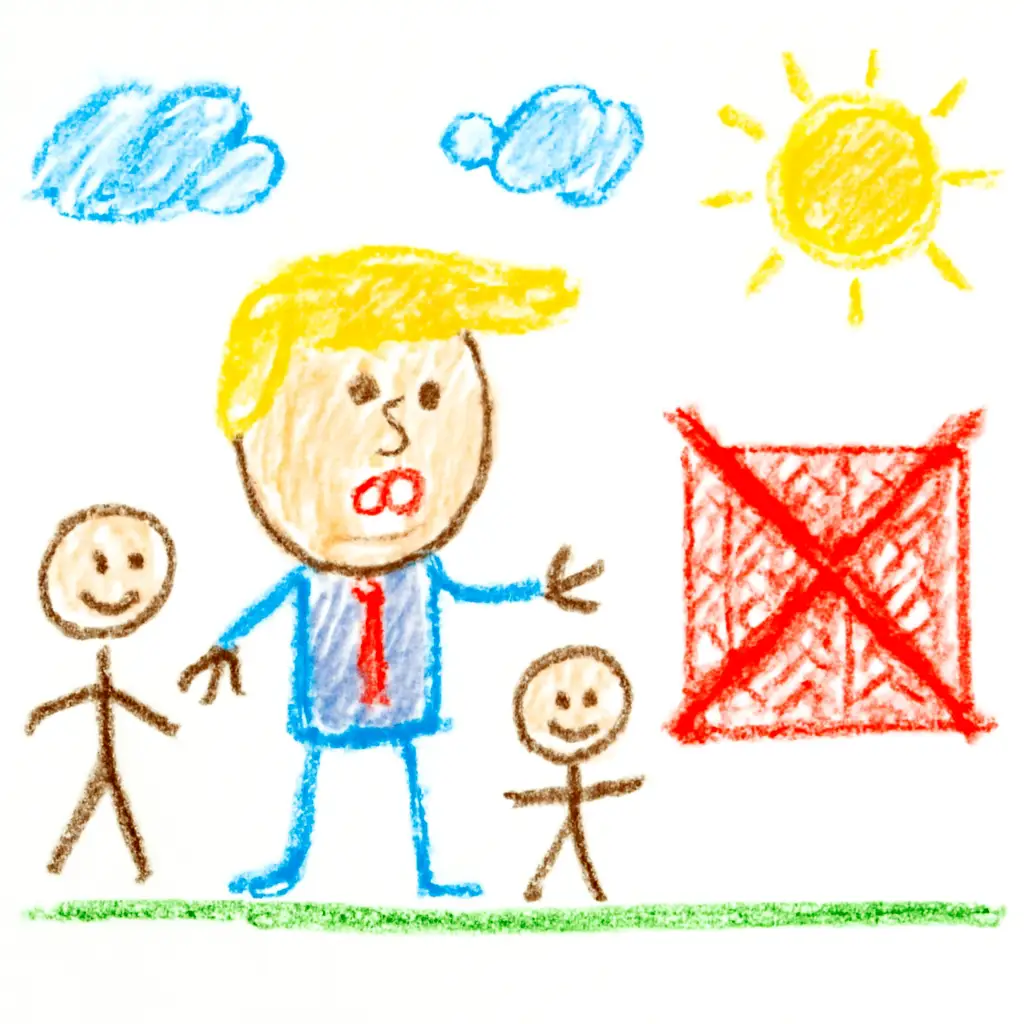
Okay, imagine you have a big box of toys, and you want to trade some with your friends. But then, you decide that if they want your toys, they'll have to give you a cookie first. That cookie is like a "tariff." It makes trading a bit harder and gives you a treat!
Now, some countries, like China and others, are getting the cookie fee because they want to trade with the U.S. But this can make everyone a little grumpy because it can cost more to get those toys (or things we buy), and nobody likes a grumpy friend, right? So, the big takeaway is: tariffs make trading harder and can lead to unhappy friends (or countries)!
Explain Like I'm 10
So, here's the deal: the U.S. has been in a trade war, which is kind of like a game where countries compete to see who can make the best deals. Right now, President Trump is introducing new tariffs, which are extra fees that other countries have to pay when they sell things to the U.S. It's like saying, "If you want to sell me your stuff, you have to pay me extra!"
The main players here are the U.S., China, and a bunch of other countries. This is happening now because Trump wants to protect American businesses and jobs by making foreign goods more expensive. The idea is that people will buy more American-made stuff instead. But the downside is that these tariffs can lead to higher prices for everyday things, like your favorite snacks or toys.
Explain Like I'm 15
Let's dive deeper into this trade situation. Tariffs are essentially taxes on imports, and they can create a lot of tension between countries. President Trump has been a big fan of using tariffs as a tool to address what he believes are unfair trade practices, particularly with China. His administration is looking to keep this trade war active by announcing new tariffs on a variety of countries.
Historically, tariffs have been a way for countries to protect their own industries. Back in the day, countries would use them to support local businesses, but they can also lead to retaliation. If one country raises tariffs, the other might do the same, which can spiral into a tit-for-tat situation. Right now, we're seeing a lot of countries, including China and those in the European Union, feeling the pinch.
The broader implications of this ongoing tariff situation are significant. Economically, it can affect supply chains, increase prices for consumers, and even lead to job losses in industries that rely on international trade. Socially, it can create tension as people feel the effects of rising prices. Politically, it can influence relationships between countries, making diplomacy trickier.
So, what might happen next? Experts are divided. Some think these tariffs could pressure countries to come to the negotiating table and make better trade deals, while others worry that prolonged tariffs could lead to a slowdown in global commerce. In short, it's a complex game with no clear winner, and we’ll just have to see how it all unfolds!
Want to read the original story?
View Original Source