
Trump's new global tariff comes into effect at 10%
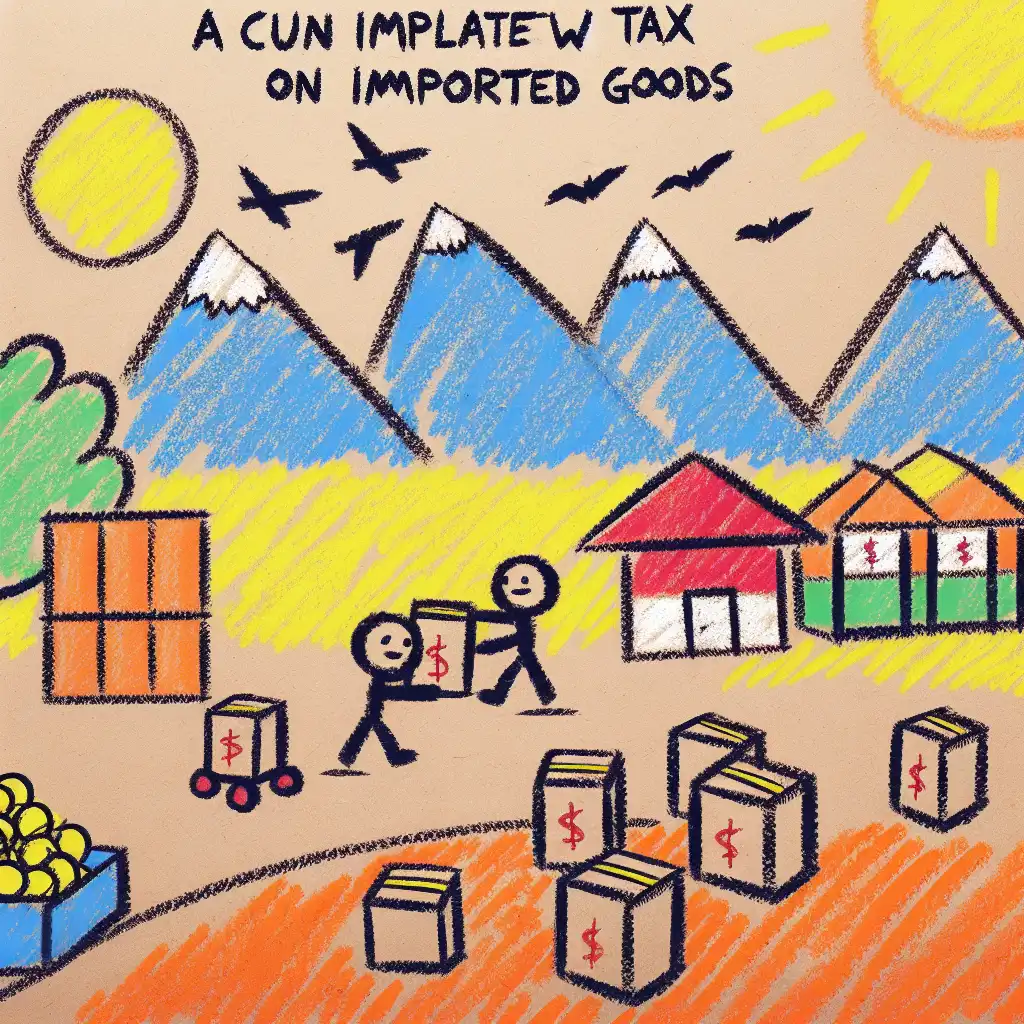
Explain Like I'm 5
Imagine you have a toy store where you sell toys from all around the world. Now, imagine if your friend, who helps you bring these toys to your store, asks for 10 extra candies every time he brings you 100 candies worth of toys. That's sort of like a new rule President Trump has set up. He's asking for 10 extra candies for every 100 candies worth of goods that come into the country from other places. This is called a tariff, and it's like a special price everyone has to pay if they want to sell their toys (or other stuff) in your store (which in this case is the whole United States).
Explain Like I'm 10
So, President Trump has decided that any goods like toys, clothes, and electronics coming from other countries into the United States will now have a 10% tariff. This means if someone in another country makes something that costs $100, they now have to pay an extra $10 to sell it in America. Trump mentioned he might even make this tariff 15% later, but he hasn't decided yet. Why do this? Well, sometimes leaders put tariffs on goods coming from other countries to encourage people to buy local products—like toys made in the USA—because they might end up being cheaper than imported ones with the extra tariff cost.
This decision can make things a bit more expensive for us if we like buying things from other countries. It also might make people in other countries a little upset because they were hoping to sell a lot of their stuff in the U.S. without this extra charge.
Explain Like I'm 15
President Trump's decision to implement a 10% global tariff is a significant move in the world of international trade. A tariff, essentially, is a tax added on products imported into a country. The main goal here is often to protect domestic industries from foreign competition by making imported goods more expensive compared to local products. This can boost the local economy by encouraging consumers to buy domestically produced goods and help local businesses grow.
However, this can also lead to what's known as a trade war, where other countries might retaliate by imposing their own tariffs on American goods. This can hurt global trade and economic relations. Economically, while some industries may benefit from reduced competition, consumers often face higher prices and fewer choices.
Historically, such tariffs have had mixed results and can lead to complex international negotiations. The implications of Trump's tariff could be broad, affecting not just trade relationships but also political alliances. Depending on how other countries respond, this could escalate into more significant economic conflicts or lead to negotiations for new trade agreements. What happens next could shape not just the U.S. economy, but the global economic landscape.
Want to read the original story?
View Original Source