Trump’s racist post, briefly explained
Explain Like I'm 5
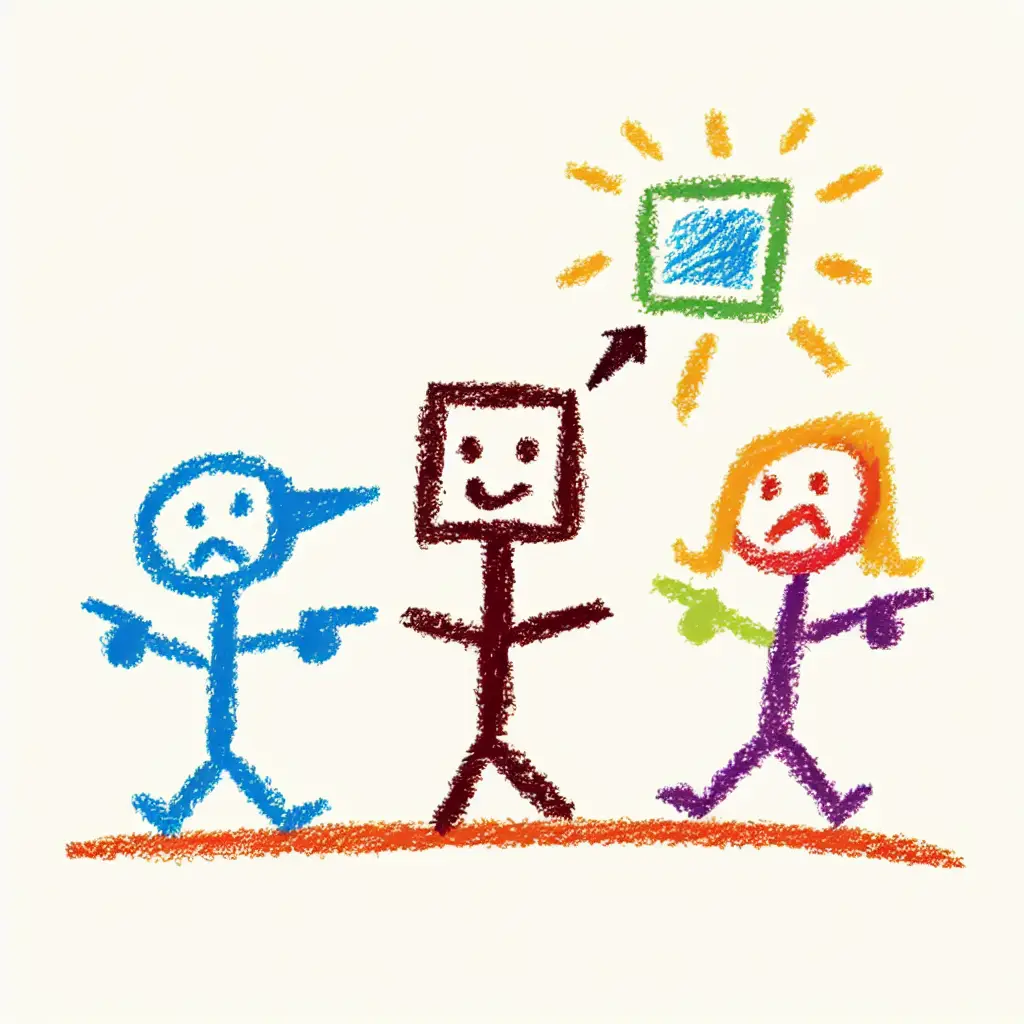
Imagine if someone in your class drew a mean picture of another student and then showed it to everyone, making some people upset and others uncomfortable. That's kind of what happened here. President Donald Trump made a short video that was not nice and shared it on his page where he talks to people. This video was about Barack and Michelle Obama, two important people who used to live in the White House. Because the video was mean, it made some people in his team (like a big group project at school) feel worried and unhappy.
Explain Like I'm 10
So, Donald Trump, who was once the President, made a video that upset a lot of people because it was not respectful towards Barack Obama, who was president before him, and his wife, Michelle. He posted this 62-second video on Truth Social, which is a place on the internet where he likes to talk and share things. In this video, he used images and words that many people thought were racist, which means they were hurtful towards someone's race or background.
This has caused a problem inside his political party, which is like a big team that works together to make decisions and help run the country. Some people in his party are feeling uncomfortable because they don't agree with what he did, and they're worried it might make people think badly of them too. It's like when someone in your group project does something wrong, and you worry that the teacher might think everyone in the group agreed to it.
Explain Like I'm 15
Donald Trump, the former President, recently shared a video on his personal platform, Truth Social, which has sparked a lot of controversies. The video, lasting just over a minute, depicted former President Barack Obama and his wife Michelle in a way that many interpreted as racially insensitive. This type of content often uses negative stereotypes or harmful representations of a particular race to make a point, which in this case, has been widely criticized.
The backlash is not just among the general public or opponents but within his own party, the Republicans. This division is significant because it shows a crack in what is usually a unified front, especially as the party gears up for future elections. Members of his party are concerned about how this might affect their image and standings among the voters, particularly those who are turned off by such displays of intolerance.
Historically, racial tension has been a powerful undercurrent in American politics, influencing voter behavior and party strategies. Trump's decision to post such content knowingly plays into these complex dynamics, perhaps as a way to energize a certain segment of his base who might respond positively to such messages. However, this strategy risks alienating moderate and undecided voters who could be crucial in tight races.
The broader implications here touch on issues of racism, media influence in politics, and the shifting sands of party loyalty and public perception. It’s a potent reminder of how charged and impactful such actions can be, shaping not just immediate news cycles but longer-term political strategies and alignments. What remains to be seen is how this will affect Trump's standing within his party and his influence on the national stage moving forward.
Want to read the original story?
View Original Source