Trump seeks $1bn in damages from Harvard
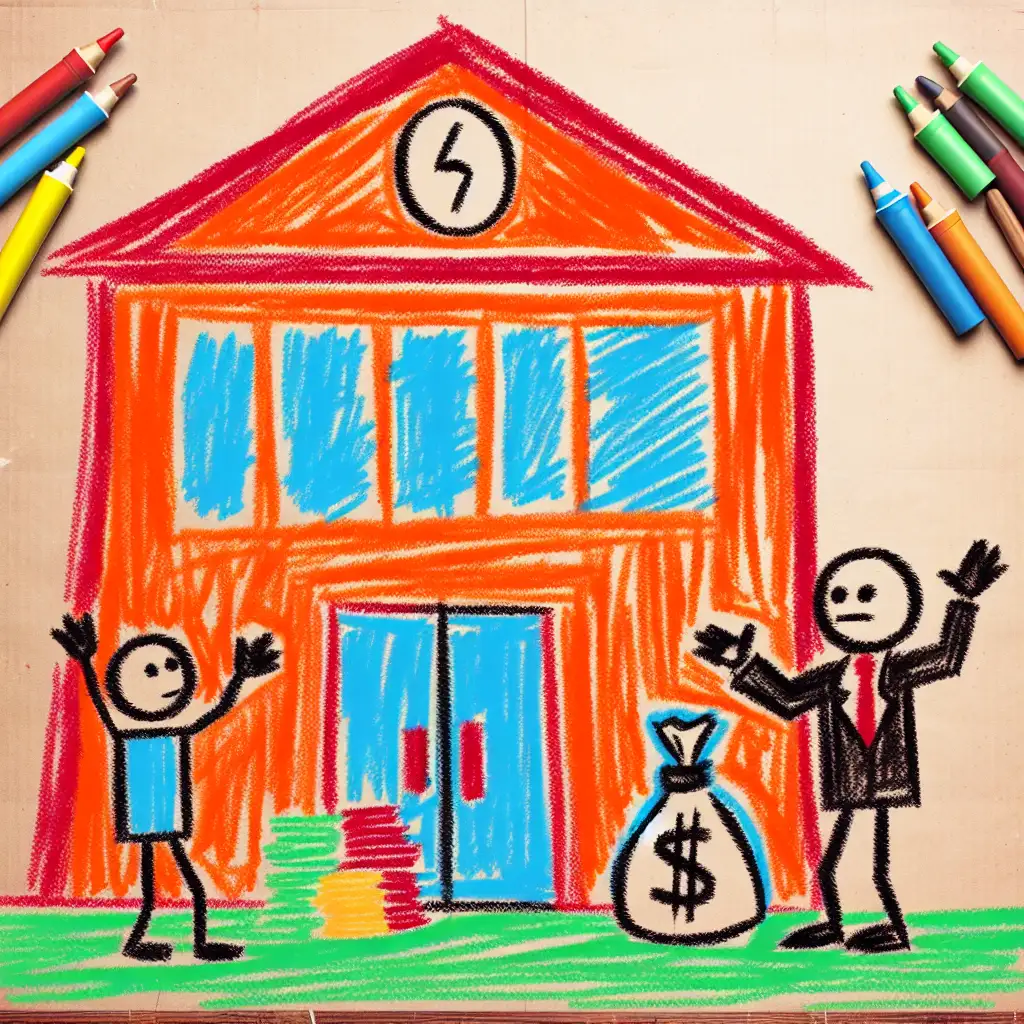
Explain Like I'm 5
Imagine if you had a giant box of crayons and someone took it without asking. You'd be upset, right? Now, imagine you want those crayons back, plus an extra box because you were so upset. This is kind of like what's happening with Donald Trump and a very big school called Harvard. Trump is asking Harvard to give him a lot of money ($1 billion) because he thinks they did something very wrong that upset him. It’s like he's saying, "You took my crayons, and I want something back for it!"
Explain Like I'm 10
Donald Trump, a former president, is in a big disagreement with Harvard University, which is a very famous school. Trump thinks that Harvard did something wrong that has affected him negatively. Because of this, he wants Harvard to pay him $1 billion as a way to fix things. It's similar to when someone breaks something of yours, and you want them to pay for it so you can get a replacement or feel better about what was lost.
This disagreement didn't just start; Trump and Harvard have been not getting along for a while now. This latest move is Trump’s way of trying to get back at them for what he believes they did wrong. It’s a huge amount of money, and he’s making a very big statement by asking for it. This kind of situation can make a lot of people talk and can affect what some people think about Trump and Harvard.
Explain Like I'm 15
Donald Trump’s decision to demand $1 billion from Harvard University is the latest episode in an ongoing clash between him and the prestigious Ivy League institution. This conflict isn’t just about money; it's also about reputations and power. Trump, a figure who has always garnered media attention, might be using this lawsuit to maintain public visibility or push back against what he sees as unfair treatment from elite academic institutions.
The amount—$1 billion—is not just about compensation but also about making a strong statement. In the broader context, this move can be seen as part of Trump's larger strategy to challenge entities he perceives as opponents. This lawsuit could stir discussions on various topics like freedom of speech, the role of educational institutions in public policy, and the intersection of politics and academia.
What happens next could involve a lengthy legal process, media coverage, and potentially significant implications for both Trump and Harvard. Depending on the outcome, it could influence public opinion and even set precedents for how similar cases are handled in the future. Legal experts and commentators will be watching closely, providing analysis and predicting the ramifications of this high-stakes legal battle.
Want to read the original story?
View Original Source