
Trump seeks to delay meeting with Xi in China
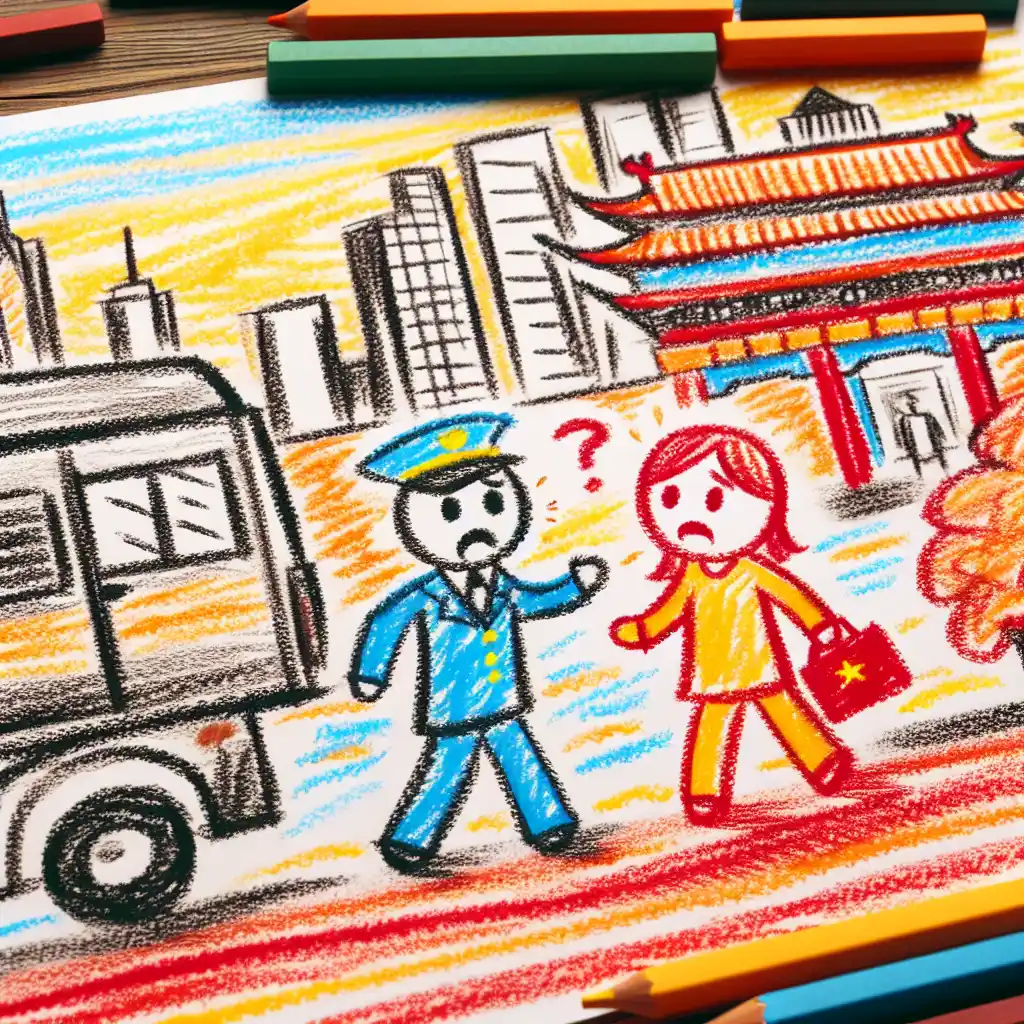
Explain Like I'm 5
Imagine you have a playdate planned with your friend, but suddenly, you have a big, messy spill in your room that you need to clean up first. Because of the mess, you ask your friend if you can hang out another day. Similarly, President Trump has planned to meet President Xi of China, but there's a big problem happening somewhere else (in Iran) that he needs to deal with first. So, Trump is asking if they can have their meeting a bit later. It's like saying, "Can we hang out later? I've got to clean up this huge spill first!"
Explain Like I'm 10
President Trump was supposed to meet with China's President Xi to talk about important stuff between their countries. But right now, there's a big problem in another part of the world, in Iran, where there's a war going on. This war is really serious and is taking up a lot of attention and resources from the U.S. Because dealing with Iran is so urgent, President Trump thinks it's better to focus on that first and meet with President Xi later. It's like when your family has to cancel a trip because something urgent came up at home; you need to handle the immediate issue before you can think about other plans. Trump believes that by solving the crisis in Iran first, he'll be in a better position to discuss things with China afterward.
Explain Like I'm 15
President Trump was scheduled to meet with President Xi Jinping of China, mainly to discuss and possibly negotiate on issues that affect both the U.S. and China, such as trade, security, and other diplomatic concerns. However, an escalating conflict in Iran has consumed much of the U.S. government's focus and resources. This conflict isn't just a minor skirmish; it's a significant military and geopolitical event that could have wide-reaching implications on international relations and stability in the region.
Given the gravity of the situation in Iran, Trump feels it's necessary to delay his meeting with Xi to better manage the U.S.'s response to the situation. This decision reflects a common practice in governance where urgent crises often take precedence over planned diplomatic engagements. The delay could affect several ongoing discussions and negotiations with China, potentially stalling progress on important agreements.
Moreover, this isn't just about rescheduling a meeting; it's about prioritizing immediate security concerns over long-term diplomatic strategies. The implications of this delay could ripple through global markets and affect international relations in multiple arenas. Experts might be watching closely to see how both leaders manage this balancing act, as it could influence their respective countries' positions on the global stage and reshape power dynamics in significant ways.
Want to read the original story?
View Original Source