Turkish officials 'destroyed' pro-opposition TV channel, owner tells BBC
Explain Like I'm 5
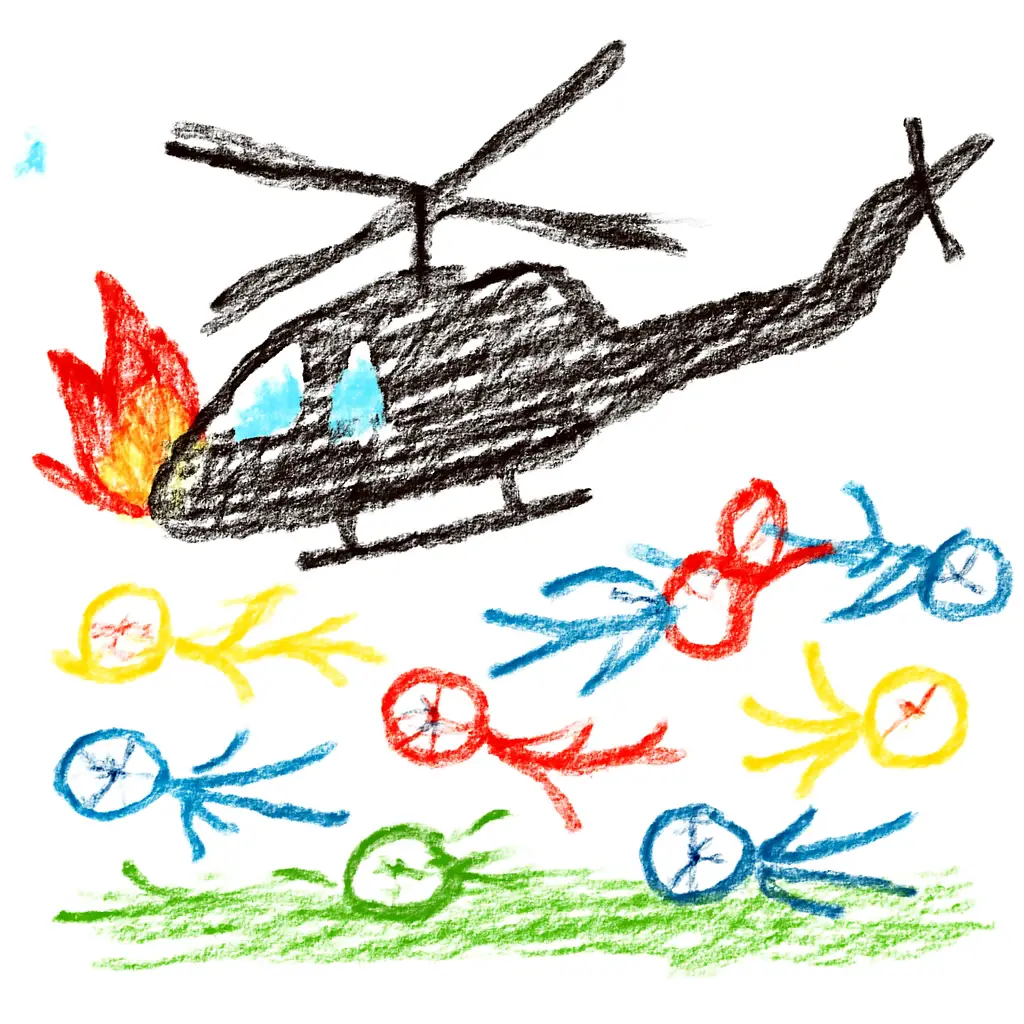
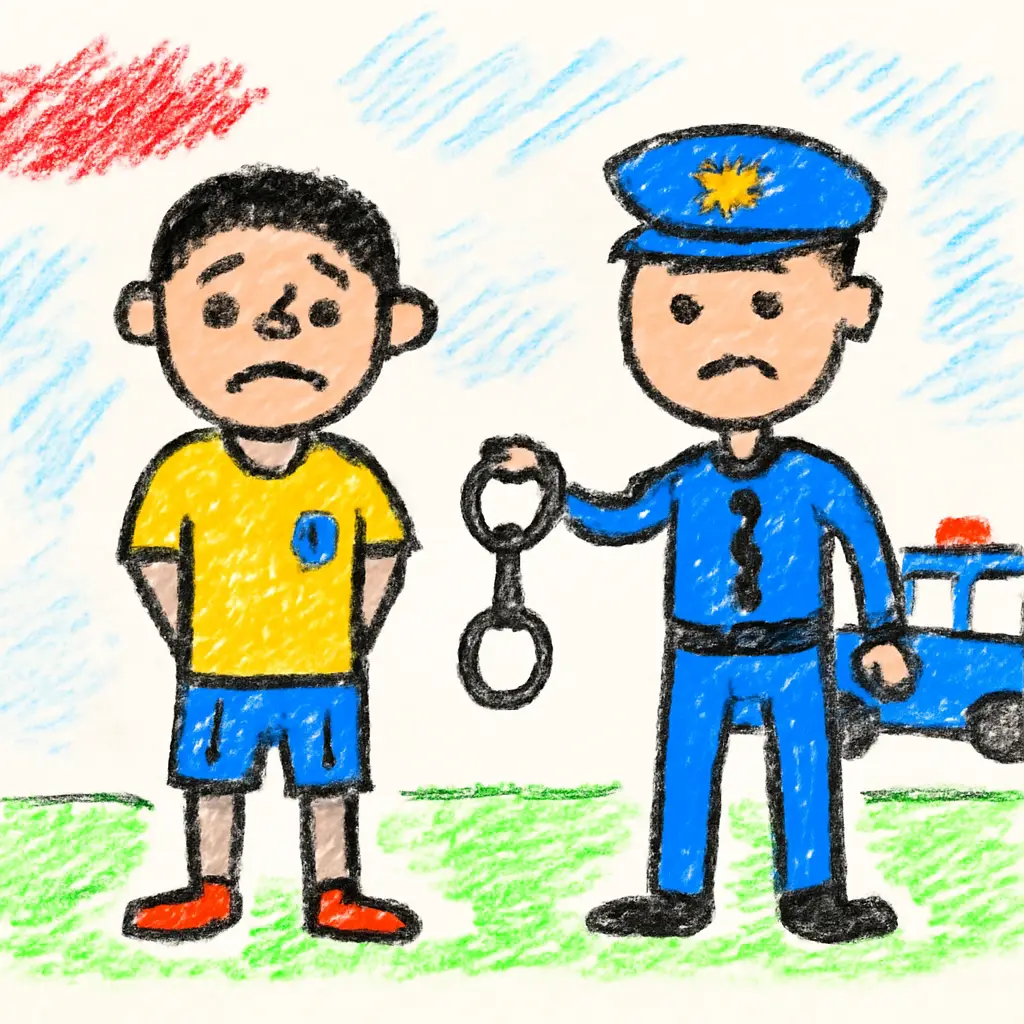
Imagine you have a favorite toy that you love to play with, but your older sibling gets really mad because it makes noise and they don't like it. One day, they come into your room and take your toy away, breaking it into tiny pieces. That’s kind of what happened with a TV channel in Turkey that was telling stories some people didn’t like. The government got upset and went to the TV station to stop them from talking, and they broke it.
The big takeaway is that sometimes when people in charge don’t like what others are saying, they can do really harsh things to silence them.
Explain Like I'm 10
So, here’s what’s going on: a TV channel in Turkey called Halk TV was very critical of the government and its actions. Recently, Turkish officials raided the headquarters of this channel, which means they showed up, took control, and disrupted everything inside. The owner of Halk TV told the BBC that they basically "destroyed" the place. This isn't the first time something like this has happened; it’s part of a bigger trend where the government is cracking down on news sources that don’t agree with them.
Right now, this situation is important because it highlights how some governments might try to control what people see and hear on TV. The immediate consequences include less freedom of speech and fewer options for people to get different viewpoints on what’s happening in their country.
Explain Like I'm 15
The recent raid on Halk TV in Turkey is a significant event reflecting ongoing tensions between the government and media outlets that are critical of it. This channel has been known for its opposition stance and has provided a platform for voices that challenge the government. The Turkish government has been increasingly cracking down on independent media, labeling them as threats to national unity or security.
Historically, Turkey has had a complicated relationship with press freedom, and its media landscape has been shrinking. This current crackdown is not an isolated incident; it follows a pattern where dissenting voices are silenced, either through intimidation or outright control of their operations. The broader implications of this situation are concerning, as it showcases an erosion of democratic norms and the ability of citizens to access diverse perspectives.
Experts suggest that such actions can lead to a chilling effect on journalists and media organizations, ultimately impacting public discourse and the overall health of democracy in Turkey. The fear is that if this trend continues, it could further entrench authoritarian practices, leaving citizens with a limited understanding of their own society. What happens next could include more raids, potential legal actions against journalists, and a public that might be less informed about critical issues.
Want to read the original story?
View Original Source