UK economy failed to grow in January ahead of Iran war

Explain Like I'm 5
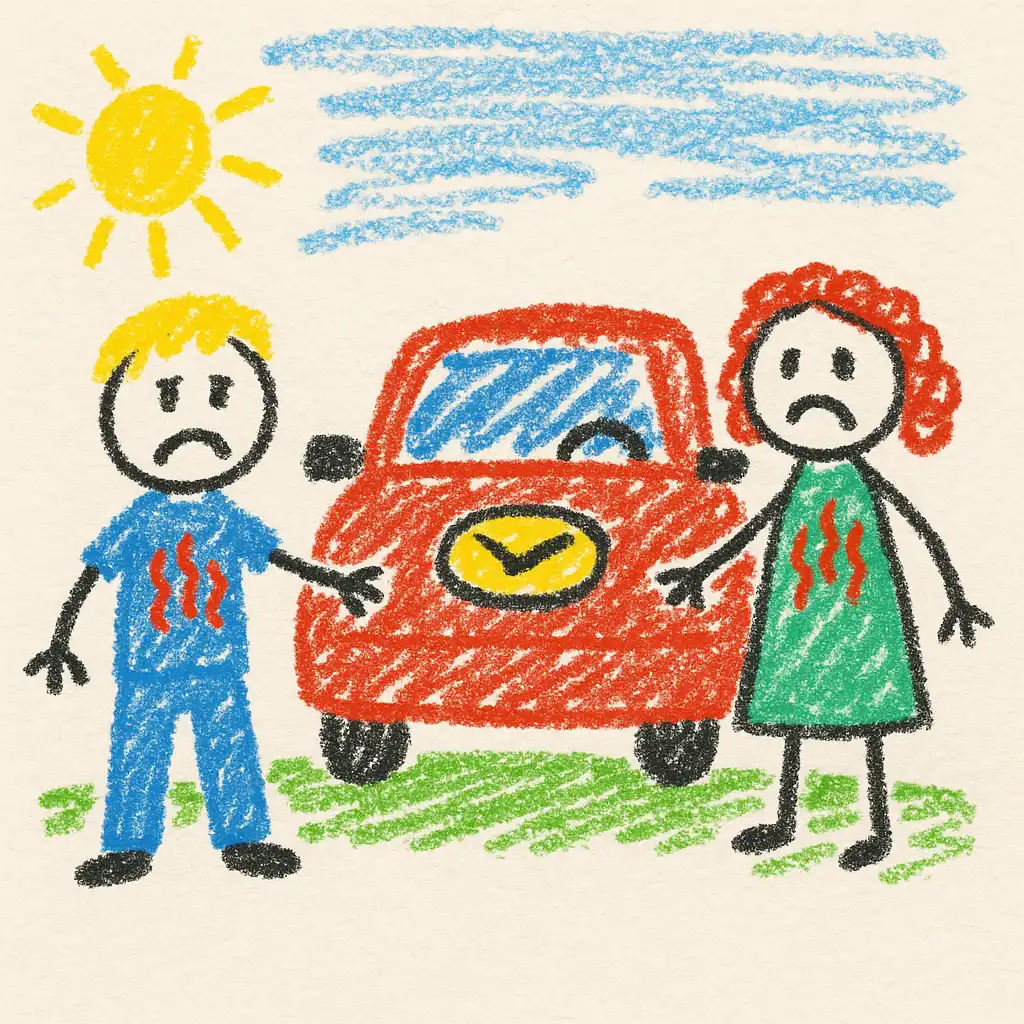
Imagine you have a piggy bank where you save coins you get from doing chores. Now, every month you hope to add a few more coins to make your savings grow bigger. But what if, one month, you don’t get any extra coins to put in? Your piggy bank doesn’t grow; it just stays the same. That’s kind of what happened to the UK’s big piggy bank, their economy, in January. People thought it would get a few more coins, but it didn’t grow at all.
Explain Like I'm 10
The UK economy is like a giant machine that needs to keep running to make money and help everyone in the country have a good life. Every month, experts check to see if this machine is making more money than before. This January, they expected it to make a little bit more money – about 0.2% more, which might seem small but is actually a lot when you're talking about a whole country's money! However, it didn’t grow at all. It’s like when everyone in class expects to move up a level in a game, but then you all stay in the same spot. This was surprising and a bit worrying because it could mean less money for things like schools, hospitals, and parks. Also, there’s talk about a possible war with Iran, which could make things even more challenging.
Explain Like I'm 15
In January, the UK's economy was expected to grow by 0.2%, which is a modest rate but important for steady progress. However, it stayed flat, which means no growth at all. This stagnation is concerning for a few reasons. First, economic growth is crucial for funding public services like healthcare and education, and for maintaining the overall health of the economy. Stagnation can lead to job losses and less money for these essential services.
Moreover, the backdrop of potential conflict—like the tensions with Iran—adds to the uncertainty. Wars or conflicts tend to make economies even more unstable because they can disrupt trade, increase oil prices, and create general economic uncertainty which can scare off investors. People and businesses might hold back on spending and investing if they're worried about what will happen, which can slow down the economy even more.
The situation is a complex mix of domestic economic challenges and international tensions, and it's unclear what will happen next. Experts are keeping an eye on how these factors might impact the UK in the coming months, especially with the potential for conflict and its effects on global markets. This kind of uncertainty makes it hard to predict the future, but it's generally agreed that stability and growth are preferable to stagnation and decline.
Want to read the original story?
View Original Source