
UK secures record supply of offshore wind projects
Explain Like I'm 5
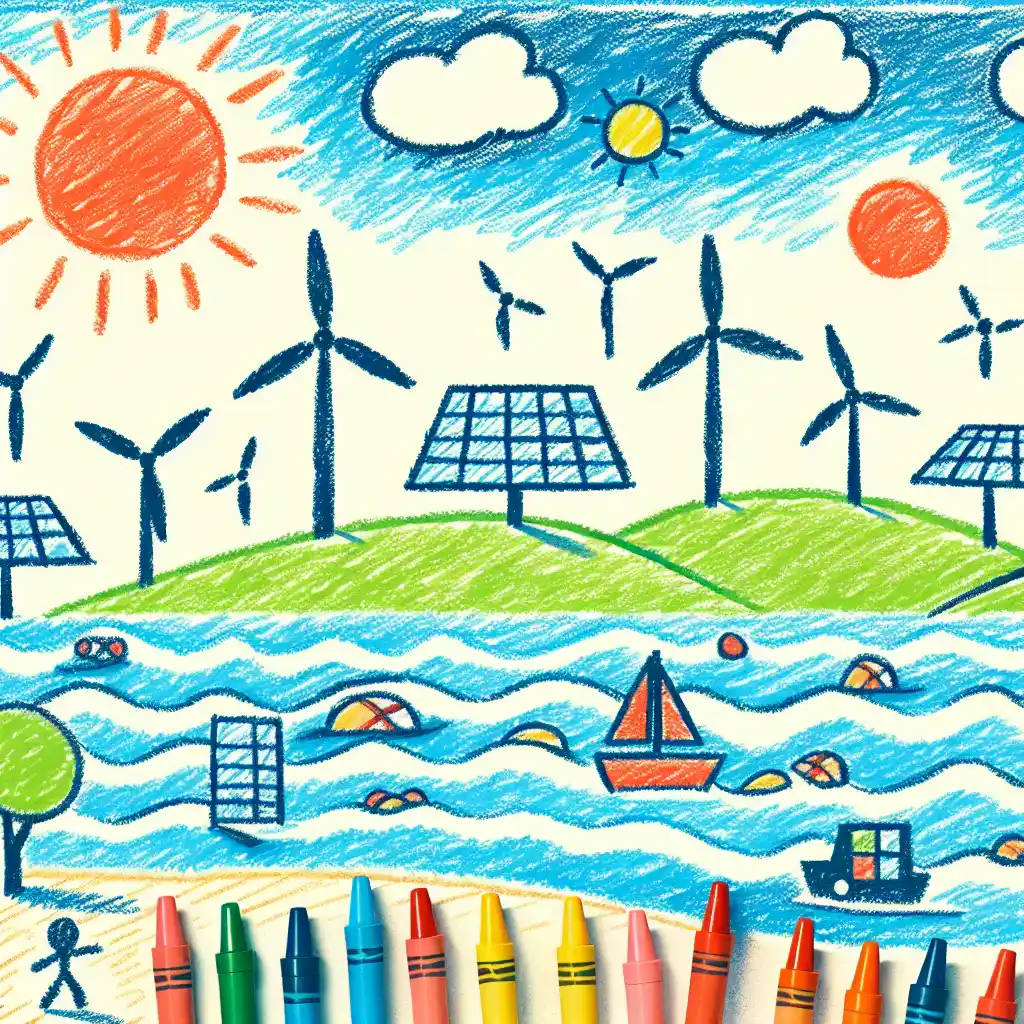
Imagine you have a super cool kite that you can fly way out over the sea, and instead of just looking pretty, it can also help power your video games and lights at home! The UK has just gotten a bunch of these giant "sea kites" which are actually called wind turbines. They're like big fans that sit on the ocean and spin around when the wind blows. This spinning helps make electricity without creating yucky air pollution. The UK wants to use a lot of these wind turbines to make their air cleaner and to not depend too much on old ways of making power, like burning coal or gas.
Explain Like I'm 10
The UK has just made a big move in getting a lot of new wind turbines that are going to be placed far out in the sea. These turbines are like huge fans that use the wind to create electricity. This is really good because it helps cut down on pollution, which is bad for our planet. The reason why the UK is doing this now is because they want to make sure they can make a lot of clean energy by 2030, which is a goal they've set to help stop the Earth from getting too warm.
By getting these new wind projects, the UK is kind of like preparing for a big clean energy party in the future. It's important because it means less dirty air from old types of energy like coal or oil. Plus, it can help make sure there's enough power for everyone's homes and schools without causing harm to nature.
Explain Like I'm 15
The UK is ramping up its efforts in renewable energy by securing a record number of offshore wind projects. Offshore wind farms are clusters of large turbines placed in the sea, which use wind to generate electricity. This is crucial for the UK's energy strategy because it aligns with global efforts to reduce carbon emissions and combat climate change. The government has set ambitious targets to shift away from fossil fuels (like coal and oil) and these new projects are a big step towards achieving that.
Historically, the UK has relied heavily on oil and gas from the North Sea, but with the growing urgency of climate change, there's been a pivot towards renewable energy sources. Offshore wind is particularly appealing because it doesn't take up any land space and the wind is stronger and more consistent at sea.
These projects not only have environmental benefits but also economic ones, as they create jobs and make the UK less dependent on imported energy. However, there are challenges too, like the initial cost of setting up these turbines and ensuring they don't negatively impact marine life.
Looking ahead, the expansion of offshore wind capacity is likely to play a pivotal role in how the UK meets its future energy needs while addressing environmental concerns. It's a complex but necessary transition that will involve balancing technological, ecological, and economic factors.
Want to read the original story?
View Original Source