UK unemployment rate rises slightly to 5.1%
Explain Like I'm 5
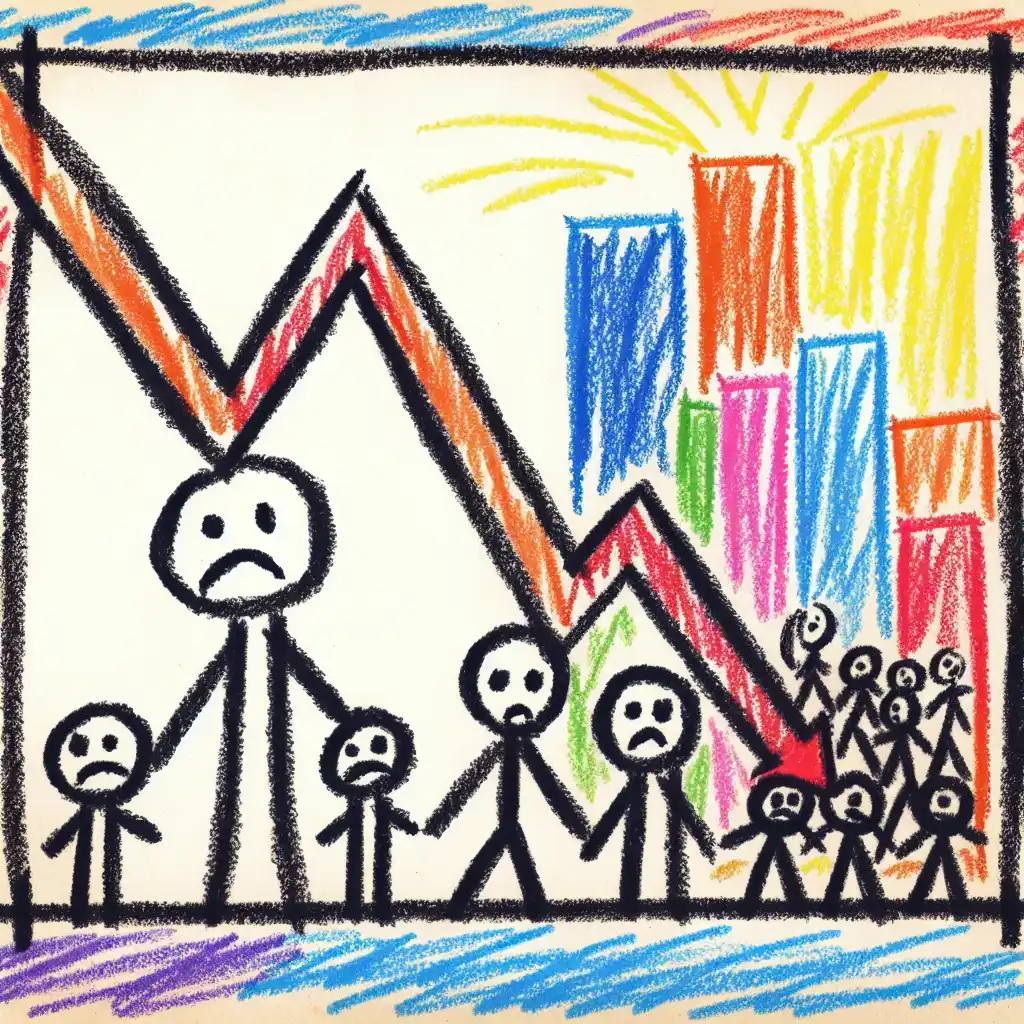
Imagine you have a big jar of cookies that represents all the jobs in the UK. Now, imagine there are 100 people who each want a cookie. If the jar has cookies for 95 people, 5 people will be left without a cookie. That’s kind of what unemployment is. Recently, the number of people without cookies went from about 4 to 5 out of 100. That means a little more people are without jobs than before. It’s like more people are finding the cookie jar empty when they go to grab one.
Explain Like I'm 10
Let's talk about jobs in the UK. Think of the whole country as a giant school, and all the students are adults who need jobs. The unemployment rate tells us how many people out of 100 can't find a job. Recently, this number has gone up a little bit, from about 4 people to about 5 people out of every 100 who don't have jobs. It’s like if you had 100 classmates, and one more person this year didn’t get a part in the school play compared to last year.
The reason why this is happening isn't super clear, but it's like when fewer people are buying ice cream from the school canteen, so the canteen doesn’t need to hire extra help. This means there are fewer job openings, or spots, for people who are looking for work. It’s a sign that businesses might be feeling a bit cautious, kind of like when you save your allowance instead of spending it all at once.
Explain Like I'm 15
In the UK, the number of people out of work has ticked up slightly to 5.1%. This percentage represents the unemployment rate, which is an important indicator of the country's economic health. Think of it as a health check-up for the economy. A rising unemployment rate can be a sign that the economy is under some stress, just like a fever might indicate you're sick.
Here’s why this matters: when unemployment rises, it generally means that businesses are hiring less. This could be due to a number of reasons such as lower consumer spending, business uncertainty, or broader economic issues. It’s similar to when businesses are not hiring summer jobs because they don't expect many tourists. This affects everyone from your local coffee shop to big factories.
The fact that job vacancies are flatlining, which means they're not increasing, suggests that the job market isn't very dynamic right now. It's like when a popular new game is released, and everyone rushes to buy it, creating lots of jobs at gaming stores and factories. Right now, there's no "new game release" driving job creation.
This situation has a ripple effect. For example, if people are unemployed, they have less money to spend, which can lead to businesses earning less and possibly leading to more layoffs. Economists and policymakers are keeping an eye on these numbers because they help them decide if they need to do something to help, like creating programs for job training or making it easier for businesses to hire people. What happens next could depend on many factors including government actions, global economic conditions, or changes in how people spend their money.
Want to read the original story?
View Original Source