US-Iran talks postponed as Vance pulls out of Switzerland trip
Explain Like I'm 5
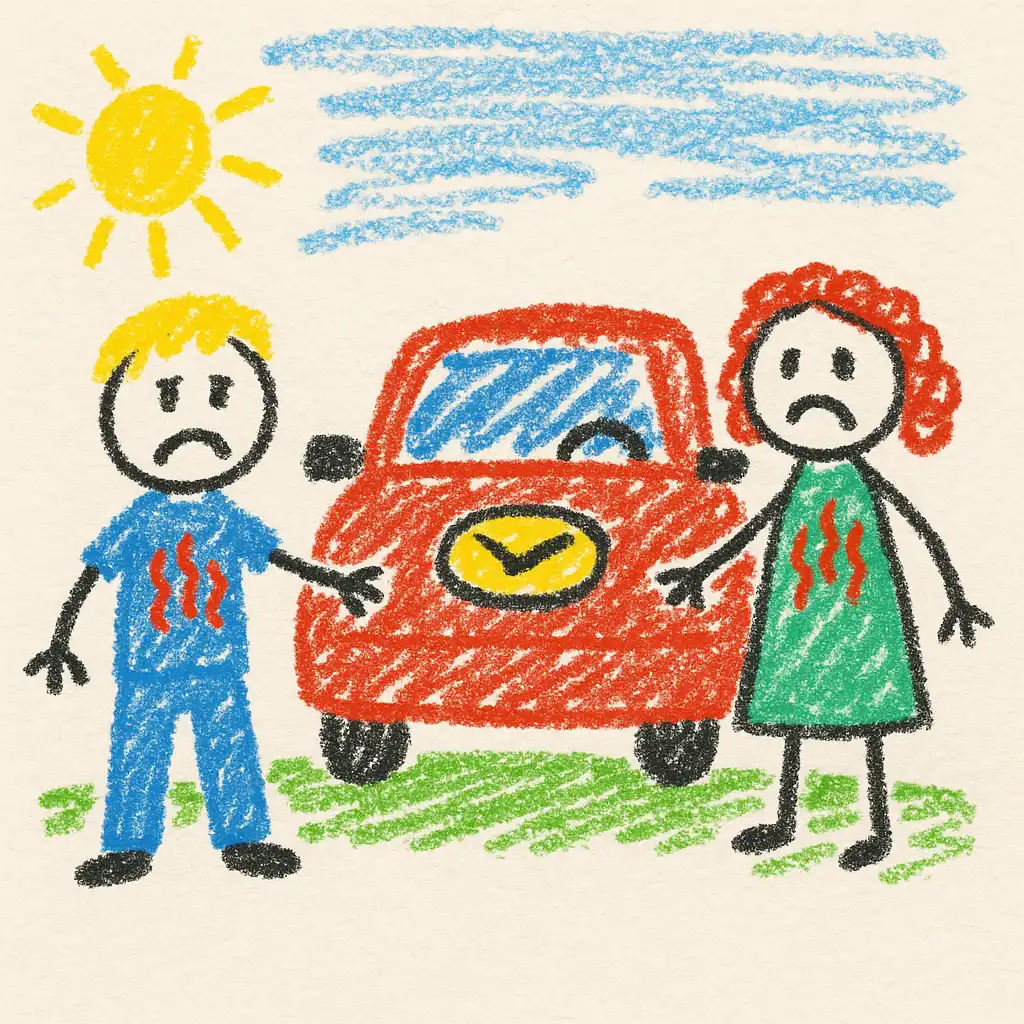
Imagine you planned a playdate with your friend to trade your favorite stickers and decide on the rules for your next game. But suddenly, your friend has to cancel because they need to help at home. That's kind of what happened with the United States and Iran. They were supposed to meet in Switzerland to talk about important things, like how to get along better. But the person from the U.S., named Vance, couldn't go anymore, so they had to postpone the meeting. Just like how you and your friend would need to pick a new day for your sticker trade!
Explain Like I'm 10
So, the United States and Iran were supposed to have a big meeting in Switzerland. This meeting was like a very important class discussion where both sides were expected to share their thoughts and work out some issues they've been having. The person who was supposed to lead the discussion for the U.S. was Vance. But suddenly, Vance had to cancel his trip. We don't know all the reasons why he couldn't go, but it's like when someone has to miss a school trip because something came up at home.
Because Vance couldn’t make it, the meeting had to be postponed. This is a bit of a problem because both countries have some urgent things to talk about, and delaying these talks can make finding solutions harder. Just like if you were working on a group project and one of the key members couldn't show up, it would be tough to get a lot done without them.
Explain Like I'm 15
The planned talks between the U.S. and Iran in Switzerland were supposed to address a range of ongoing issues between the two countries. These talks are crucial because they help manage tensions and try to find common ground on contentious issues. However, the U.S. representative, Vance, suddenly pulled out of the planned trip, leading to the postponement of these talks. The specific reasons for the cancellation weren't clear, but it's significant because such high-level meetings are key to maintaining or improving diplomatic relations.
The delay in dialogue can have various repercussions. For one, it can increase the uncertainty and tension in the region. Both countries have their agendas and concerns, and without open lines of communication, misunderstandings can escalate into more severe conflicts. This situation is a setback for diplomacy, especially when considering the broader implications in the Middle East, a region already fraught with political complexities and conflicts.
Looking forward, the postponement might pressure both sides to reschedule and perhaps come to the table with more urgency, but it also risks hardening positions if either side feels slighted or less inclined to compromise. Analysts are likely watching closely to see how this will affect broader geopolitical dynamics and whether any immediate escalatory actions will be taken by either country in the interim.
Want to read the original story?
View Original Source