US sanctions Tanzanian police official over 'torture' of rights activists
Explain Like I'm 5
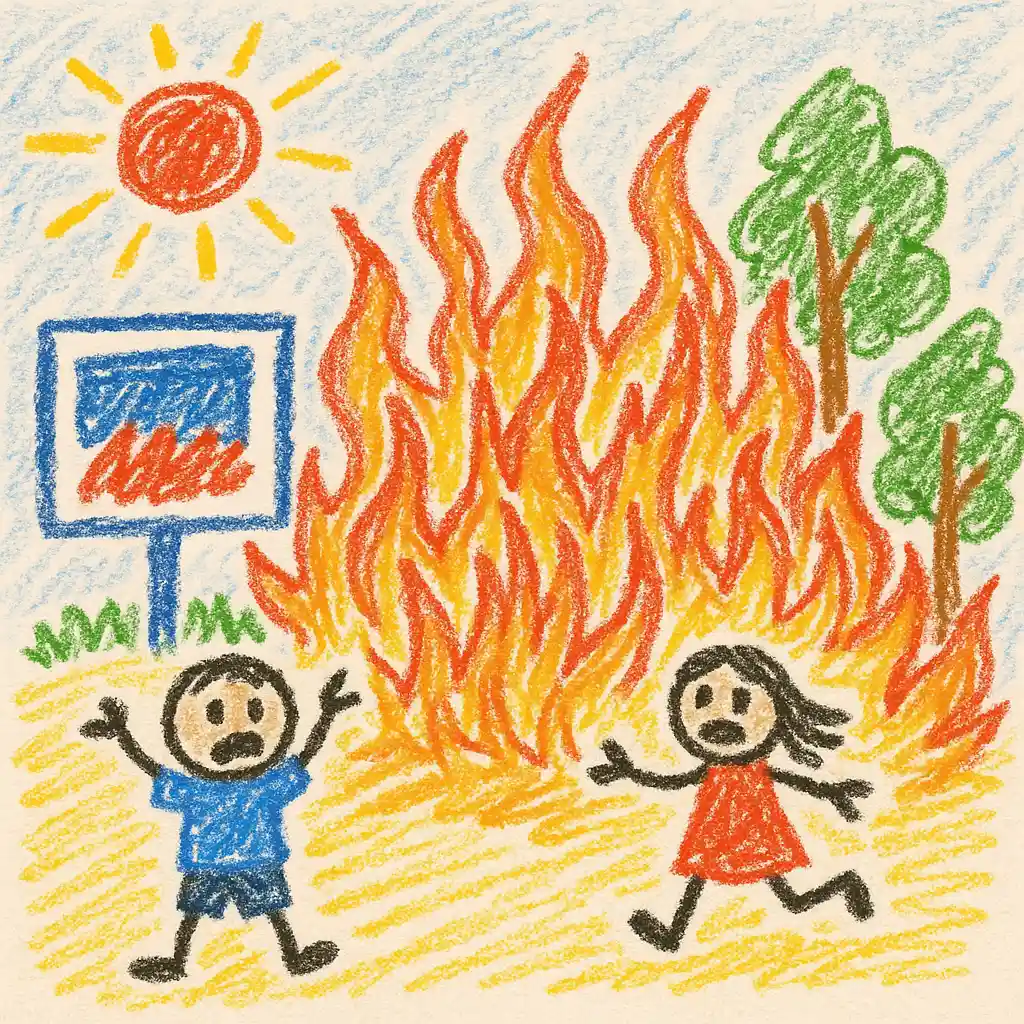
Imagine you have a rule at school that says you can't take away someone else's crayons because it's not nice. Now, think about a playground monitor who takes away crayons from some kids anyway, even though that's against the rules. The principal decides to give the monitor a time-out because they didn't follow the rules. This is similar to what's happening with a big, important person from Tanzania. He didn't follow the rules about treating people nicely, so the United States has given him a kind of "time-out" by saying they won't share certain toys with him (like money or special treats) until he starts following the rules.
Explain Like I'm 10
So, there's this important police officer in Tanzania, which is a country in Africa. This officer is accused of being very mean to some people who were just trying to stand up for what they believe in—kind of like the hall monitors who are supposed to keep things fair but end up picking on some students. Because he wasn't playing fair, the United States has decided to give him a consequence, similar to a parent taking away video game privileges when you don't follow house rules.
This action by the U.S. is called a sanction. It means that they're limiting what this officer can do with them, like not letting him use American banks or visit the U.S. They did this because they want to show that being unfair or mean, especially to people who are just trying to help others, is not okay. It's a big deal because it shows that other countries are watching and care about how people are treated.
Explain Like I'm 15
The situation we're talking about involves a high-ranking police official in Tanzania who has been accused of torturing activists—people who speak out and try to bring change on human rights issues. The United States has responded by imposing sanctions on this official. This means they've put restrictions on his financial activities and travel, essentially trying to cut off his access to certain benefits and resources that involve the U.S.
This action isn't just about one person being punished; it's a signal from the U.S. to the Tanzanian government and other countries that human rights violations are taken seriously. It's part of a broader international strategy to promote human rights by using economic and social levers. The history of U.S. foreign policy shows that sanctions are a common tool used to apply pressure without direct intervention.
Looking forward, this could strain relations between the U.S. and Tanzania, potentially affecting diplomatic and economic interactions. The broader implications could also influence how other nations in the region handle human rights issues, fearing similar repercussions. Experts suggest watching how this impacts the internal politics of Tanzania, especially regarding the treatment of activists and opposition groups. This situation underscores the complex interplay of international relations, national policies, and human rights advocacy.
Want to read the original story?
View Original Source