US to probe petrol price gouging claims, Trump says
Explain Like I'm 5
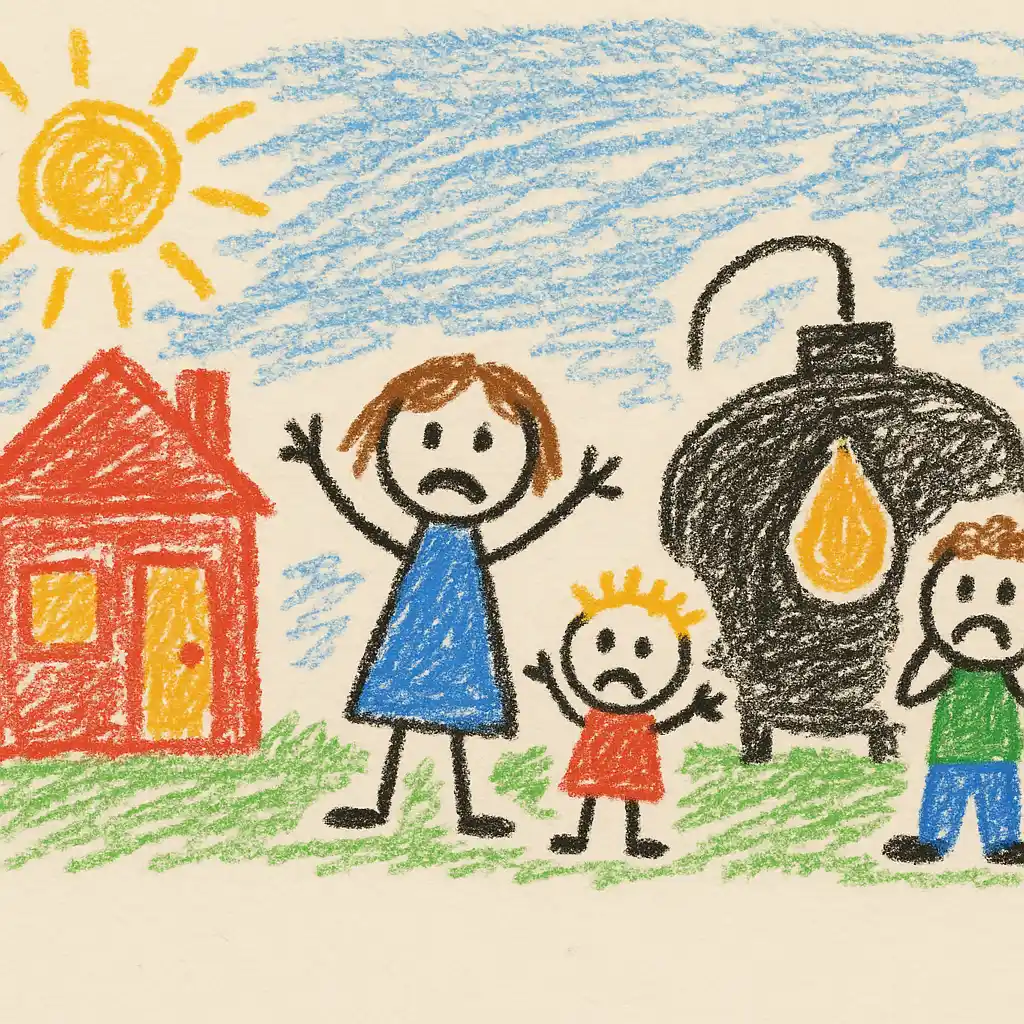
Imagine you go to the candy store and see that the price of your favorite chocolate bar has gone way up, even though you know it still costs the same to make it. That's what some people think is happening with gas prices in the U.S. right now. The President, Mr. Trump, has said that the government is going to play detective to find out if the gas stations are being naughty by charging too much for petrol (that's another word for gas) when they really shouldn’t be. They're checking to see if the prices are fair or if someone is being greedy.
Explain Like I'm 10
When you hear about "price gouging," it means someone is charging a lot more for something than they should. Recently, even though the cost to get oil (that's what petrol is made from) has gone down a bit globally, the prices at gas stations in the U.S. are still pretty high. President Trump has mentioned that the U.S. government will investigate to see if businesses are unfairly hiking up petrol prices to make extra money. This is important because if gas prices are too high, it can make it expensive for families to do things like drive to school or work. The idea is to make sure no one is taking advantage of the situation where demand for petrol might be high or supply might be low, especially after recent tensions and conflicts involving the U.S., Israel, and Iran that have affected global oil prices.
Explain Like I'm 15
Let's dive deeper. The concept of "price gouging" refers to when sellers increase the price of goods to an unfair level, particularly during emergencies or when there are no alternatives. President Trump's announcement about investigating petrol price gouging comes at a time when global oil prices have decreased slightly but are still higher than they were before the recent military conflict involving the U.S., Israel, and Iran. This conflict has likely caused instability in the global oil market, impacting prices.
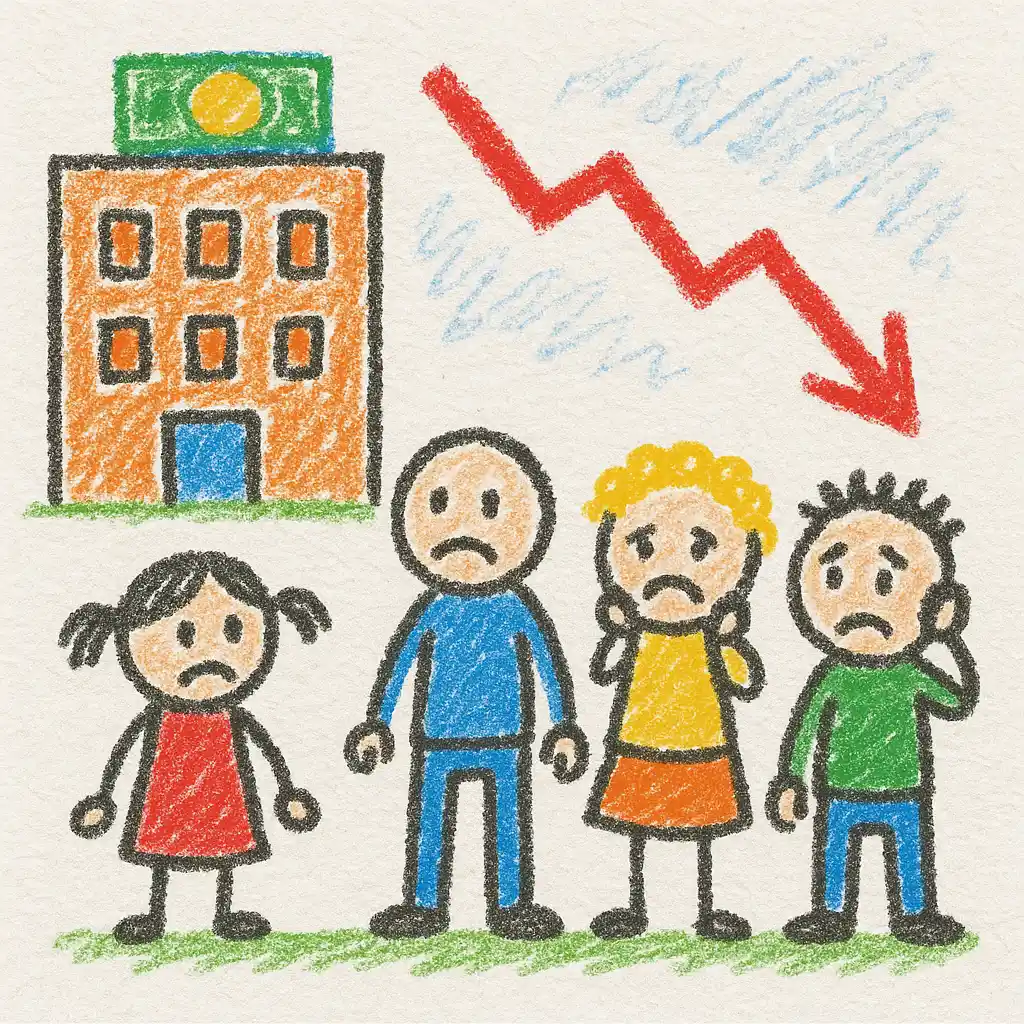
The investigation aims to determine whether the high prices at U.S. gas stations are a result of normal market factors or if businesses are exploiting the situation to increase profits unfairly. This is crucial because it affects the economy—high petrol prices can lead to increased costs for transporting goods and commuting, impacting everything from grocery prices to public transport fares.
The broader implications here involve both economic and political dimensions. Economically, sustained high petrol prices can slow down economic growth as consumers spend more on fuel and less on other goods and services. Politically, how this situation is handled could affect public perception of the government's ability to protect consumer interests and manage international relations that affect our economy. Depending on the investigation's findings, there could be calls for regulatory actions or policy adjustments to prevent similar issues in the future.
Want to read the original story?
View Original Source